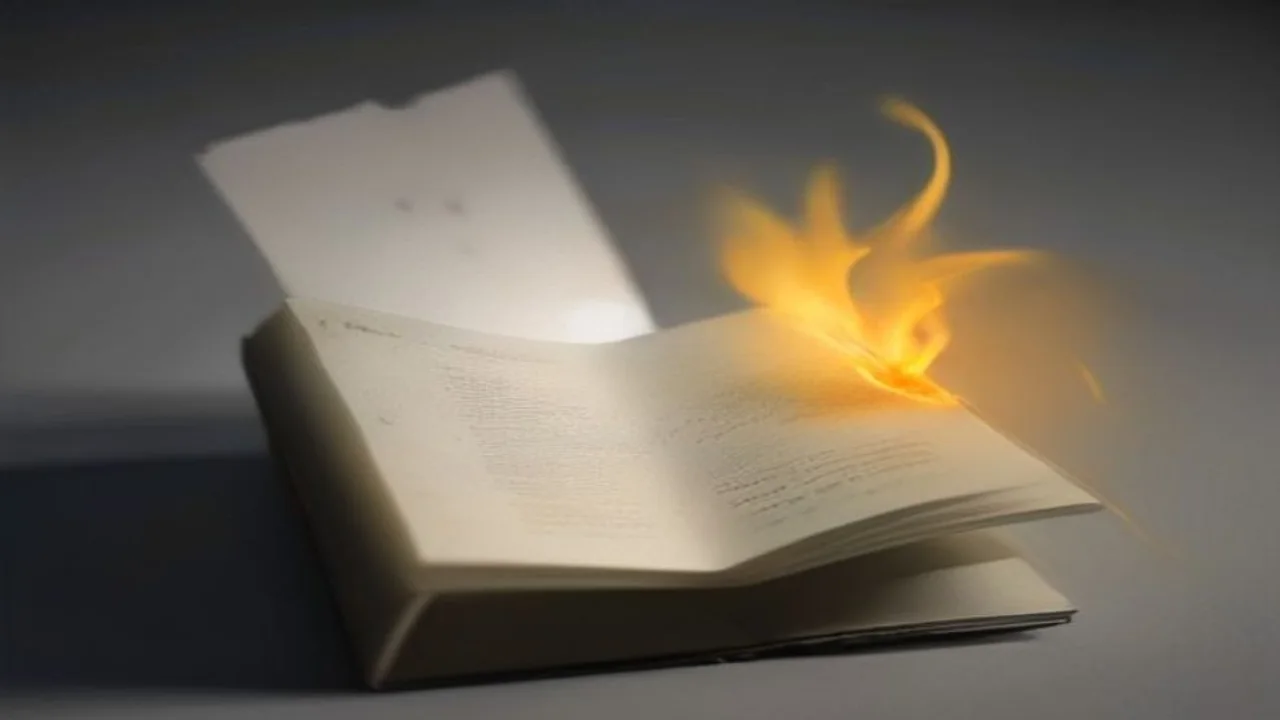
Remember the magic of getting lost in a good book? For many adults, the joy of reading is a casualty of modern life. Between endless notifications, demanding careers, and the hypnotic glow of social media feeds, our attention spans have been thoroughly fractured. You might sit down with a heavily recommended novel, only to find your mind wandering after three paragraphs. You put it down, feeling a familiar wave of guilt, and tell yourself you are just "not a reader anymore."
Here is the truth: you haven't lost your capacity to read; you have just lost your reading stamina. Just as you wouldn't walk out the door and run a marathon without training, you cannot expect your brain to immediately digest dense, 800-page literary classics after years of reading little more than text messages and work emails. To successfully start reading again, you need to retrain your brain with books that are accessible, deeply engaging, and practically impossible to put down.
Finding the best books for beginners who want to start reading again is all about choosing titles that offer high emotional payoff, brisk pacing, and zero fluff. In this comprehensive guide, we will explore why reading slumps happen, how to pick the right starting material, and a curated list of phenomenal page-turners guaranteed to kickstart your reading habit once and for all.
Why Reading Feels So Hard Right Now (And How to Fix It)
Before diving into specific recommendations, it is vital to understand the psychology of the modern reading slump. Dopamine is the neurotransmitter responsible for motivation and pleasure. Social media apps and video streaming platforms are engineered to deliver micro-doses of dopamine every few seconds. Books, by contrast, require a delayed gratification loop.
When you first attempt to read a book after a long hiatus, your brain craves that instant dopamine hit. When it doesn't arrive immediately, you feel restless. To combat this, you need to select gateway books—literary equivalents of comfort food that immediately hook your curiosity and refuse to let go.
Here are three golden rules for choosing your comeback books:
- Prioritize pacing over prestige: Skip the Pulitzer Prize winners for now. Look for thrillers, fast-paced memoirs, or gripping sci-fi where something exciting happens in the first chapter.
- Embrace short chapters: Books formatted with brief chapters provide frequent psychological "wins," making it much easier to say "just one more chapter" before bed.
- Give yourself permission to quit: The 50-page rule is a myth designed to make you feel guilty. If a book hasn't grabbed you after 20 percent, put it down and pick up something else. Life is too short to read books you aren't enjoying.
Fast-Paced Thrillers That Demand Your Attention
If you want a genre that practically guarantees to cure a reading slump, look no further than psychological thrillers and mysteries. These books are constructed like rollercoasters; the author's primary job is to keep you guessing until the very last page.
1. "The Silent Patient" by Alex Michaelides
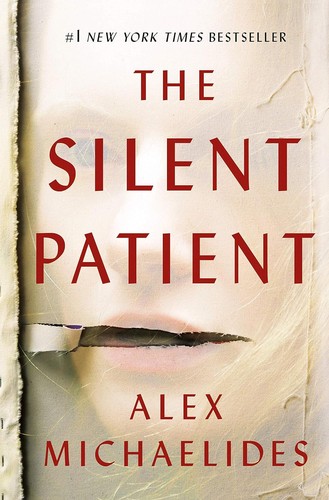 Silent PatientAbout the book →
This explosive psychological thriller tells the story of Alicia Berenson, a famous painter who shoots her husband five times in the face and then never speaks another word. Years later, a criminal psychotherapist becomes obsessed with uncovering her motive. With extremely short chapters and a series of shocking narrative twists, this is one of the ultimate books for beginners who need high-stakes drama to stay focused.
2. "The Maid" by Nita Prose
Imagine a cozy mystery meets a classic whodunit. Molly is a hotel maid who struggles with social skills and misreads the intentions of others around her. When she discovers a wealthy, notorious guest dead in his bed, she becomes the prime suspect. It is charming, deeply immersive, and moves at a wonderfully brisk pace.
Captivating Memoir and Non-Fiction That Reads Like Fiction
Some readers assume that non-fiction is dry or academic, but narrative non-fiction can be just as thrilling as any novel—with the added bonus of being entirely true.
3. "Educated" by Tara Westover
 EducatedAbout the book →
Tara Westover grew up survivalist in rural Idaho, isolated from mainstream society. She never stepped foot in a classroom until she was seventeen years old, yet she went on to earn a PhD from Cambridge University. Her memoir is a stunning testament to the power of education and self-reinvention. It is written with such raw emotional clarity that you will devour it like a suspense novel.
4. "Born a Crime" by Trevor Noah
 Born a CrimeAbout the book →
Comedian Trevor Noah's autobiographical account of growing up under apartheid in South Africa is both laugh-out-loud funny and heartbreakingly poignant. Because Noah's background is rooted in stand-up comedy, the book is structured as a series of gripping, highly entertaining anecdotes rather than a dense chronological history. It is an exceptional choice for anyone looking to start reading again with something witty and profound.
Imaginative Sci-Fi and Fantasy Worlds You Can Get Lost In
Escape is one of the greatest gifts of reading. If you want to transport your mind completely away from your daily stressors, speculative fiction and accessible sci-fi provide unbeatable immersion.
5. "The Midnight Library" by Matt Haig
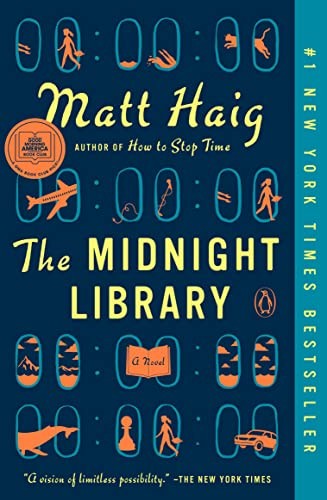 The Midnight LibraryAbout the book →
Between life and death there is a library, and within that library, the shelves go on forever. Every book provides a chance to try another life you could have lived. Nora Seed finds herself here and must decide what is truly fulfilling in life. This imaginative novel deals with heavy themes of regret and mental health, but does so through a wonderfully accessible, comforting narrative lens. It is tailor-made for readers trying to reconnect with their love of stories.
6. "Dark Matter" by Blake Crouch
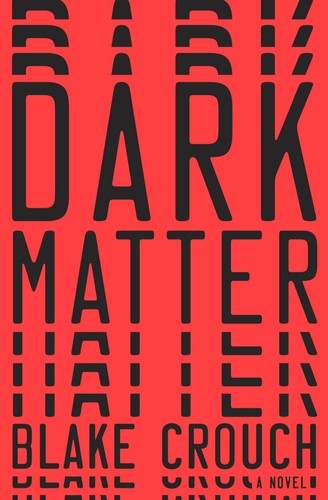 Dark MatterAbout the book →
Jason Dessen is kidnapped, knocked unconscious, and wakes up in a world that is not his own. His wife is not his wife, his son was never born, and his life's work is a celebrated breakthrough he never achieved. If you are someone who loves mind-bending movies like Inception, this propulsive sci-fi thriller will keep your adrenaline pumping from page one.
"Reading is a conversation. All books talk. But a good book listens as well." — Mark Haddon
Actionable Tips to Build a Sustainable Daily Reading Habit
Choosing the right book is only half the battle. To ensure you don't fall back into your old habits, you need to design your environment to support your new reading identity.
- Lower the barrier to entry: Keep your current book physically visible. Leave it on your pillow, your kitchen counter, or your couch. If you have to dig through a bookshelf to find it, friction will stop you.
- Use the atomic habit approach: Commit to reading just five pages a day. Five pages takes less than ten minutes, but it establishes the daily habit loop. Once you start, you will frequently find yourself reading twenty or thirty pages instead.
- Replace scrolling triggers: The next time you find yourself reaching for your phone out of boredom—while waiting in line, sitting on the train, or winding down before sleep—reach for your book instead.
- Track your progress: Use apps like Goodreads or keep a simple journal of the books you finish. There is a deeply satisfying psychological reward in watching your "Read" list grow over the course of the year.
Embrace the Journey of Rediscovery
Starting your reading journey over again should feel like an exciting adventure, not a homework assignment. Do not worry about reading high-brow literature to impress others. Read what makes you turn the pages. Whether you choose a high-stakes thriller, a heartwarming memoir, or an imaginative sci-fi odyssey, the ultimate goal is simply to enjoy the quiet magic of a story unfolding in your mind.
Pick one book from this list, carve out fifteen minutes tonight, put your phone in another room, and open the cover. You might just surprise yourself with how quickly the world fades away, leaving only you and a brilliant story waiting to be told.





