There is a unique magic in turning the final page of a novel, breathless from a journey through an imaginative world crafted entirely by an author’s mind. But there is an even deeper, more profound thrill that comes when you close a book and realize: This actually happened.
For readers who crave the breathless pacing of a thriller, the sweeping emotional arcs of historical drama, or the surreal twists of magical realism, non-fiction can sometimes feel a bit dry. We often associate memoirs with chronological retellings of ordinary lives, slow-paced reflections, or academic introspection. Yet, the best autobiographical literature shatters this expectation entirely.
The finest memoirs that read like fiction possess all the narrative engines of a blockbuster novel: high stakes, unreliable narrators, vivid settings, cliffhangers, and deeply flawed, complex characters. The only difference is that the blood, sweat, and tears staining the pages are entirely real.
Whether you are a devoted fiction reader looking to dip your toes into non-fiction, or a memoir enthusiast searching for your next literary obsession, this curated list explores ten extraordinary books that blur the line between imagination and lived experience.
What Makes a Memoir Read Like a Novel?
Before diving into the list, it helps to understand the alchemy of narrative non-fiction. Why do some life stories feel flat while others leap off the page with cinematic intensity? It comes down to three core elements:
- High Stakes and Conflict: The author is thrust into extraordinary circumstances where survival, identity, or freedom is on the line.
- Scene-Driven Writing: Instead of summarizing years of their life, the writer drops the reader directly into active scenes with dialogue, sensory details, and palpable tension.
- Emotional Resonance: The internal transformation of the protagonist mirrors the structural arc of a classic hero's journey.
Let's dive into ten incredible books that master these elements, proving that reality is often far stranger and more captivating than fiction.
1. Educated by Tara Westover
 EducatedAbout the book →
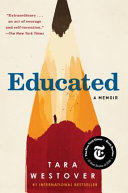
If you enjoy gripping coming-of-age stories about breaking free from oppressive environments, Educated is an absolute must-read. Tara Westover grew up isolated from society in the mountains of Idaho by survivalist parents who distrusted the government, modern medicine, and formal education.
Westover never stepped foot in a classroom until she was seventeen years old. With no birth certificate and no formal grounding in mathematics, grammar, or science, she taught herself enough algebra and trigonometry to pass the ACT and gain admission to Brigham Young University.
What makes this book read like a psychological thriller is the slow-dawning realization of her family's dysfunction and danger. The tension builds as Tara navigates the chasm between her fierce love for her family and her desperate, instinctual need for self-preservation and knowledge.
2. The Glass Castle by Jeannette Walls
 The Glass CastleAbout the book →
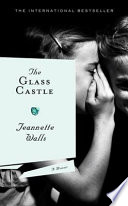
Jeannette Walls opens her memoir with a shocking scene: looking out the window of a sleek New York City taxi, she spots her mother rooting through a dumpster. Instead of running over to help, Walls ducks out of sight, ashamed of her bohemian, destitute roots.
From there, Walls takes the reader on a wild, cross-country nomadic journey. Her father, Rex, is a charismatic, brilliant alcoholic who dazzles his children with dreams of building a futuristic glass castle in the desert. Her mother, Rose Mary, is an eccentric artist who views parenting through the lens of radical neglect.
Despite growing up eating margarine sandwiches and dodging debt collectors, Walls paints her childhood not as a tragedy, but as an adventure. The resilience of the Walls children, who band together to protect and raise one another, reads like an epic tale of survival against impossible odds.
"Life is a great big canvas, and you should throw all the paint on it you can." — *The Glass Castle*
3. The Boy Who Harnessed the Wind by William Kamkwamba and Bryan Mealer
Set in rural Malawi during a devastating famine, this inspirational memoir reads like an uplifting young adult science-fiction novel. When a severe drought destroys his family's crops, fourteen-year-old William Kamkwamba is forced to drop out of school because his family can no longer afford the tuition.
Refusing to surrender to despair, William spends his days in a local library. Reading a tike-worn physics textbook, he becomes obsessed with a radical idea: he can build a windmill out of scrap metal, bicycle parts, and blue gum tree branches to generate electricity and pump water for his village.
The neighborhood mocks him as crazy, and his family struggles simply to eat one meal a day. Yet, William’s unwavering determination creates a nail-biting narrative arc that will have you cheering out loud by the final chapter.
4. I'm Glad My Mom Died by Jennette McCurdy
 I'm Glad My Mom DiedAbout the book →
Despite its provocative and shocking title, Jennette McCurdy’s memoir is a masterclass in dark humor, emotional honesty, and narrative pacing. Best known for her role as Sam Puckett on Nickelodeon’s hit show iCarly, McCurdy pulls back the curtain on the predatory underbelly of child stardom.
Her mother harbored a fanatical obsession with turning her daughter into a Hollywood star, introducing her to calorie restriction at age eleven and performing invasive physical exams well into her teens. The book chronicles Jennette's psychological imprisonment and her arduous, often hilarious journey toward reclaiming her own identity after her mother passes away from cancer.
Written with deadpan wit and devastating clarity, it moves with the breathless momentum of a psychological drama.
5. Wild: From Lost to Found on the Pacific Crest Trail by Cheryl Strayed
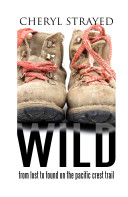 WildAbout the book →
At twenty-two years old, Cheryl Strayed’s life felt completely shattered. Following her mother’s sudden death from cancer, her family disintegrated, her marriage dissolved, and she drifted into destructive habits involving heroin and promiscuity.
Seeking redemption and a way back to herself, Strayed made a wildly impulsive decision: she would hike the Pacific Crest Trail—a grueling, 1,100-mile wilderness trek stretching from the Mojave Desert through California and Oregon to Washington state—completely alone, with zero prior backpacking experience.
Strayed’s memoir reads like an epic survival adventure combined with a profound internal spiritual journey. Her monstrously heavy backpack (affectionately nicknamed "Monster"), encounters with rattlesnakes, brutal blisters, and moments of staggering solitude make for an unputdownable wilderness odyssey.
6. Born a Crime by Trevor Noah
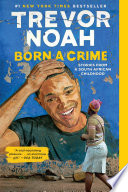 Born a CrimeAbout the book →
Before he became the host of The Daily Show, Trevor Noah was born in South Africa during the twilight of apartheid. His very existence was illegal under apartheid law; his mother was a Black Xhosa woman, and his father was a white Swiss expatriate. Interracial relationships were punishable by five years in prison.
Noah’s memoir is structured as a series of darkly comic, wildly adventurous vignettes from his youth. From being hidden under floorboards and thrown from moving vehicles to protect him from authorities, to navigating the intricate racial caste system of post-apartheid Johannesburg, Noah tells his story with brilliant comedic timing and sharp sociological insight.
It reads like a picaresque novel—a sprawling adventure featuring a resourceful protagonist navigating an absurd, dangerous world.
7. Maid: Hard Work, Low Pay, and a Mother's Will to Survive by Stephanie Land
Stephanie Land dreamed of attending university to study creative writing and become a journalist. Instead, an unplanned pregnancy at age twenty-eight derailed her plans, landing her in a cycle of poverty, domestic instability, and reliance on government assistance.
To support her toddler daughter, Land took a job as a housecleaner for a low-end agency, scrubbing toilets, stripping stained mattresses, and cleaning up after wealthy families who barely looked her in the eye. Maid reads like an urgent social thriller, exposing the invisible machinery of poverty in America.
Land’s prose is direct, unflinching, and deeply empathetic. The suspense comes not from external villains, but from the terrifyingly fragile safety net of welfare systems and the relentless exhaustion of working-class survival.
8. Pagan Babies and Other Catholic Memories by Mary Karr
While Mary Karr is widely celebrated for her seminal memoir The Liars' Club, her collection of autobiographical essays in Pagan Babies showcases her razor-sharp wit and extraordinary narrative style at its absolute peak.
Karr grew up in a chaotic household in Southeast Texas with an alcoholic, brawling father and a mother who married seven times and suffered from severe mental health issues. Karr writes about childhood trauma with a unique blend of laugh-out-loud humor and staggering vulnerability.
The dialogue crackles with authenticity, and the characters she describes feel so larger-than-life that readers often double-check the cover to make sure they aren't reading a contemporary Southern gothic novel.
9. Crying in H Mart by Michelle Zauner
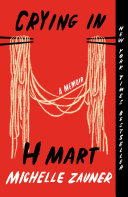 Crying in H MartAbout the book →
Food, grief, and cultural identity collide in Michelle Zauner’s gorgeous, emotionally devastating memoir. Zauner, who is Korean-American, grew up feeling caught between two worlds. Her relationship with her fiercely protective, critical mother, Chongmi, was often fraught with tension.
When Chongmi is diagnosed with terminal cancer, Zauner drops her burgeoning music career (she is the frontwoman of the indie pop band Japanese Breakfast) and returns to Eugene, Oregon, to care for her. Through preparing elaborate traditional Korean dishes—kimchi jjigae, pajeon, and tteokbokki—Zauner attempts to reconnect with her dying mother and reclaim her cultural heritage.
The sensory descriptions of food make the memoir intensely vivid, while the raw exploration of grief reads with the emotional depth of a literary masterpiece.
10. Greenlights by Matthew McConaughey
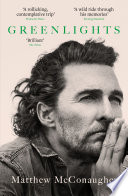 GreenlightsAbout the book →
Rounding out our list is an unconventional memoir that breaks every traditional rule of autobiography. Academy Award-winning actor Matthew McConaughey compiled decades of personal diaries, notes, and epiphanies accumulated over thirty-five years of traveling the world.
Part philosophy, part poetry, and part wild Hollywood anecdote, Greenlights reads like an eccentric road trip through the mind of one of cinema's most fascinating figures. McConaughey shares wild stories of living in the outback of Australia, wrestling alligators in Texas, and navigating the chaotic waters of sudden fame.
It is fast-paced, deeply philosophical, and impossible to categorize—proving that sometimes the most entertaining fiction is simply a well-told true life.
How to Choose Your Next Memoir-Read
If you are feeling overwhelmed by where to start, use this quick checklist to find the book that matches your reading mood:
- Craving an emotional catharsis and family drama? Start with Educated or The Glass Castle.
- Want an uplifting story of ingenuity and hope? Pick up The Boy Who Harnessed the Wind.
- Looking for sharp wit and cultural insights? Dive into Born a Crime or I'm Glad My Mom Died.
- Yearning for outdoor adventure and solo reflection? Pack your bags with Wild.
Conclusion
The best memoirs that read like fiction remind us that every single human life is a repository of drama, courage, heartbreak, and triumph. When talented writers open their hearts and share the unfiltered truth of their experiences, they offer us a rare gift: the chance to live a dozen different lives within the span of a single reading journey.
So the next time you are browsing for a new book, skip the fiction aisle. Pick up one of these extraordinary true stories, settle into your favorite reading chair, and prepare to be amazed by the reality of the human spirit.





