We’ve all been there. You are at a sophisticated dinner party, a first date, or a lively book club gathering, and the conversation suddenly shifts to high-brow literature. Someone leans in and passionately declares, "Oh, the duality of human nature in that book is just breathtaking!" Everyone around the table nods knowingly, murmurs in agreement, and sips their wine. You nod too, offering a knowing smile, while internally panicking because the only thing you actually know about the book is its movie adaptation starring a celebrity you follow on Instagram.
Admit it: you are harboring a literary secret. You are not alone. Cultural anxiety drives millions of people every year to display thick, leather-bound volumes on their bookshelves that they have never cracked open. The pressure to appear well-read is real, deeply ingrained in our educational systems and social signaling. But why do we feel such immense pressure to fake our literary achievements, and which books are the biggest culprits on the cultural chopping block?
In this deep dive, we are going to explore the psychology of literary pretension, break down the top 10 classic novels everyone pretends to have read, and give you some practical strategies to either genuinely read them or fake your way through a conversation with absolute confidence.
The Psychology of Literary Pretension
Why do we lie about reading? Books occupy a unique space in our cultural hierarchy. Unlike movies or television shows, which are consumed rapidly for immediate entertainment, reading requires sustained cognitive effort, time, and intellectual investment. Finishing a notoriously difficult book—say, James Joyce’s Ulysses—acts as a badge of honor. It signals discipline, intelligence, and refined taste.
Sociologists refer to this as "cultural capital." Displaying the right books on your coffee table or dropping the name of a Russian master into a casual chat elevates your perceived social status. Consequently, admitting that you found War and Peace boring or completely impenetrable feels like a confession of intellectual inadequacy. So, we fake it. We rely on cultural osmosis—synopses read on Wikipedia, pop culture references, and SparkNotes summaries—to construct a facade of literary literacy.
"Classic a book which people praise and don't read." — Mark Twain
Mark Twain nailed the paradox over a century ago. The books we revere the most as a society are often the ones we avoid opening the most. Let’s look at the absolute heavyweights of the "pretended-read" list.
The Top 10 Classic Novels Everyone Pretends to Have Read
If you have ever faked your way through a discussion about one of these titles, consider this your safe space. Here are the 10 classic novels that top the charts of literary deception.
1. Moby-Dick by Herman Melville
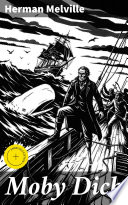 Moby DickAbout the book →
Most people think Moby-Dick is a thrilling, action-packed adventure story about a giant whale destroying ships. What they actually get when they open the book is ninety pages detailing the historical taxonomy of whales, whale oil processing methods, and maritime law. While Melville’s epic is an absolute masterpiece of philosophical symbolism, it requires immense patience to push through the cetology chapters.
2. War and Peace by Leo Tolstoy
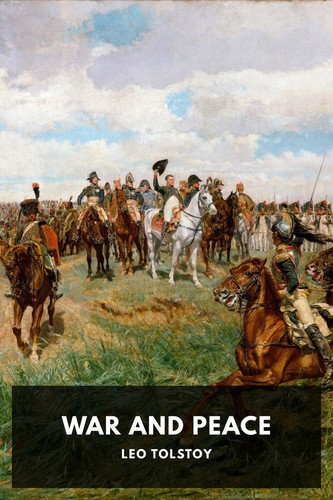 War and PeaceAbout the book →
Clocking in at over 1,200 pages with a cast of characters numbering in the hundreds—many of whom have three different interchangeable Russian names—War and Peace is the ultimate bookshelf trophy. People love to say, "I'm reading Tolstoy right now," when what they really mean is, "I bought a gorgeous hardcover edition that makes my living room look smart."
3. Don Quixote by Miguel de Cervantes
Widely considered the first modern novel, Don Quixote is hailed for its brilliant meta-narrative and satire of chivalric romances. However, because it was originally published in two parts separated by a decade, the narrative wanders, features dozens of completely unrelated short stories embedded within the plot, and can feel remarkably repetitive to modern readers.
4. Ulysses by James Joyce
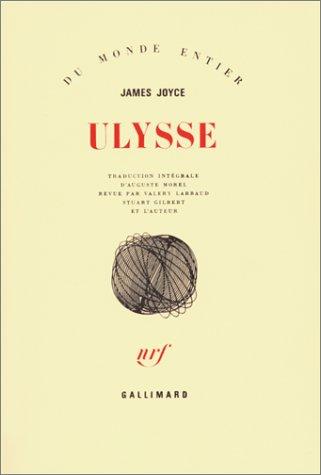 UlyssesAbout the book →
If there is a holy grail of unread books, Ulysses takes the crown. Chronicling a single day in the life of Leopold Bloom in Dublin, Joyce employs a dizzying array of literary styles, stream-of-consciousness writing, untranslated foreign phrases, and dense historical allusions. Most readers who claim to have finished it secretly skimmed half the pages just to say they survived the ordeal.
5. The Great Gatsby by F. Scott Fitzgerald
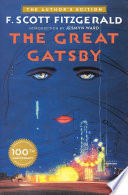 The Great GatsbyAbout the book →
Unlike some of the doorstoppers on this list, The Great Gatsby is remarkably short. So why do people fake it? Because high school English classes ruined it for millions of readers. Forced essay writing and tedious examinations turned a glittering, tragic portrait of the Jazz Age into a homework assignment. Many adults pretend they read it recently, but their memories are entirely anchored by Leonardo DiCaprio wearing a sharp white suit in the 2013 film adaptation.
6. In Search of Lost Time by Marcel Proust
Famously holding the Guinness World Record for the longest novel, Proust’s multi-volume masterpiece contains a single sentence that runs on for over 900 words. It is celebrated for its profound explorations of memory, time, and human consciousness, but its legendary length ensures that it spends significantly more time gathering dust on shelves than being read.
7. The Odyssey by Homer
An epic poem rather than a traditional novel, The Odyssey is foundational to Western literature. Everyone knows about the Cyclops, the Sirens, and Odysseus's triumphant return to Ithaca. Yet, actually sitting down to read through lines of dactylic hexameter translation can feel like a chore, leading many to rely on high-level summaries while pretending they intimately know the text.
8. Crime and Punishment by Fyodor Dostoevsky
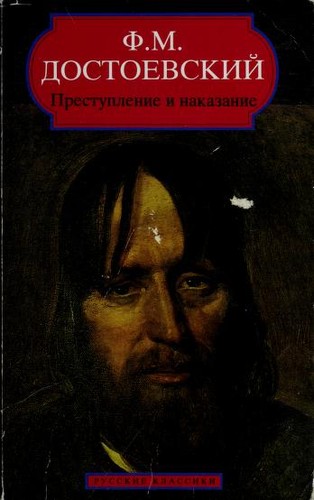 Crime and PunishmentAbout the book →
Dostoevsky is a genius at probing the darkest, most agonizing depths of the human psyche. Crime and Punishment is genuinely gripping, but its existential weight, relentless psychological torment, and dense philosophical debates make it a book that people frequently abandon halfway through, only to pretend they finished the dramatic conclusion.
9. The Scarlet Letter by Nathaniel Hawthorne
 The Scarlet LetterAbout the book →
Like The Great Gatsby, Nathaniel Hawthorne’s tale of Hester Prynne and colonial Puritan shame suffers from mandatory high school curriculum syndrome. Hawthorne’s prose is notoriously dense, ornate, and sluggish, filled with long, moralizing introductions about his time working in a custom house that have virtually nothing to do with the actual plot.
10. Infinite Jest by David Foster Wallace
 Infinite JestAbout the book →
A darling of modern literary pretension, Wallace’s massive, footnote-heavy tome about tennis, addiction, and entertainment in a dystopian near-future is heavy enough to double as a weapon. Carrying this book around a coffee shop or leaving it prominently displayed on a desk is an aggressive power move—though finding someone who has navigated all 1,079 pages, including the nearly four hundred endnotes, is extraordinarily rare.
Why Classics Feel So Intimidating
Understanding why we struggle with these texts helps demystify them. Classic literature often feels intimidating for a few very specific reasons:
- Linguistic shifts: Language evolves rapidly. Reading English from the 19th century or translated prose from 17th-century Spain requires a different cognitive gear.
- Cultural context: Classics were written for audiences with completely different political, religious, and social references. Without footnotes, modern readers miss half the jokes and subtext.
- Pacing differences: Modern storytelling is fast-paced, cinematic, and streamlined. Classic novels often prioritize sprawling philosophical digressions, slow-burn character development, and atmospheric world-building over rapid plot progression.
How to Actually Tackle (or Fake) a Classic
If you are tired of living in fear of literary small talk, you have two distinct paths forward: you can genuinely conquer these books, or you can master the art of intelligent conversational survival. Here is some practical advice for both approaches.
The Genuine Approach: Actionable Reading Tips
- Ditch the guilt: If you pick up a classic and hate it after fifty pages, put it down. Life is too short to read books you despise simply to impress strangers.
- Invest in modern annotated editions: Publishers like Penguin Classics or Norton Critical Editions include valuable historical context, explanatory footnotes, and introductions that decode the difficult parts.
- Try audiobooks: Many classics, particularly epic poems and 19th-century novels, originated as oral storytelling traditions. Listening to a talented voice actor bring Moby-Dick or Don Exuote to life transforms the experience.
- Read with a companion guide: Websites, podcasts, and chapter-by-chapter reading guides can illuminate complex books like Ulysses or Infinite Jest, turning an intimidating slog into an engaging intellectual puzzle.
The Conversational Survival Guide
If you don't have forty hours to spend with Tolstoy, you can still survive a dinner party conversation using these safe, universally applicable talking points:
- Focus on the themes, not the plot: Instead of getting bogged down in character names, talk about broad thematic elements. For Crime and Punishment, just say: "I found the exploration of guilt and moral decay fascinating." For Moby-Dick, say: "It’s less about a whale and more about the destructive nature of human obsession."
- Ask open-ended questions: Turn the spotlight back onto your conversational partner. Say something like, "I’ve always been fascinated by how different readers interpret the ending of that book. What did you think about the final chapters?" This buys you time and lets them do all the talking.
- Acknowledge the prose: Comment on the author's stylistic approach. Phrases like, "You really have to appreciate the sheer ambition of the narrative structure," sound sophisticated and apply to almost any major classic.
Embrace Your Reading Journey
At the end of the day, reading should be a source of personal enrichment, curiosity, and enjoyment—not a tool for social anxiety or intellectual gatekeeping. Whether you proudly display books you've actually read cover-to-cover or you finally decide to dive into a notoriously difficult masterpiece with the help of an audiobook, drop the shame. Literature belongs to everyone, whether you finished the final chapter or simply admire the spine from across the room.





