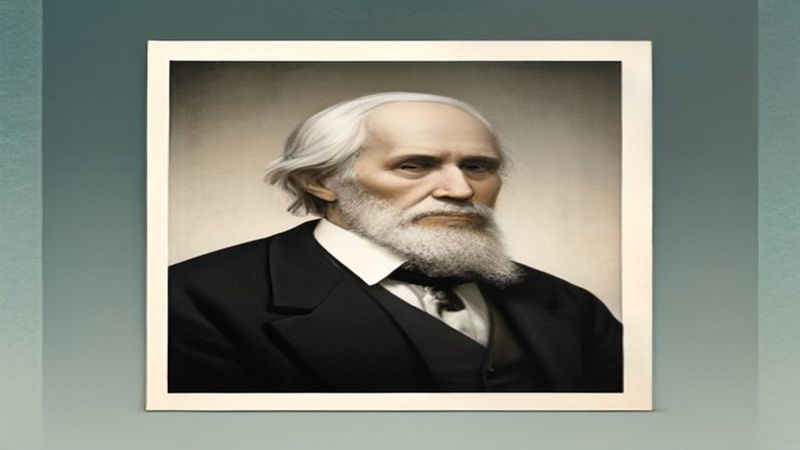
How to Win Friends and INFLUENCE People (Animated Book Summary)
📝 AI Summary
This animated video summary from the channel Antidote breaks down Dale Carnegie's classic self-help manual, How to Win Friends and Influence People. The presentation is structured around the four major sections of the original book, providing actionable principles designed to improve interpersonal skills, enhance persuasion, and foster better leadership qualities. The video begins with Part 1, focusing on fundamental techniques in handling people. It stresses the importance of avoiding criticism, condemnation, and complaint, advocating instead for honest and sincere appreciation, and arousing in the other person an eager want. Part 2 transitions into six ways to make people like you. This segment covers practical behaviors such as becoming genuinely interested in other people, remembering that a person's name is to that person the sweetest and most important sound in any language, being a good listener and encouraging others to talk about themselves, talking in terms of the other person's interests, and making the other person feel important in a sincere way. Part 3 delves into the more complex art of winning people to your way of thinking. It outlines twelve principles that guide constructive arguments and negotiations. Key lessons include avoiding arguments, showing respect for the other person's opinions, admitting mistakes quickly when you are wrong, beginning in a friendly way, getting the other person to say yes immediately, letting the other person do a great deal of the talking, letting the other person feel that the idea is theirs, honestly seeing things from the other person's point of view, being sympathetic to their ideas and desires, appealing to nobler motives, dramatizing your ideas, and throwing down a challenge. Finally, Part 4 addresses leadership and how to change people without giving offense or rousing resentment. This section offers guidance on how to begin with praise and honest appreciation, call attention to people's mistakes indirectly, talk about your own mistakes before criticizing the other person, ask questions instead of giving direct orders, let the other person save face, praise every improvement no matter how small, give the other person a fine reputation to live up to, and make the fault seem easy to correct. Throughout the video, visual animations accompany the narration to illustrate these social dynamics and communication strategies, making Carnegie's timeless advice digestible and applicable to modern personal and professional relationships.
🎯 Key Points

Related Book
How to Win Friends & Influence People🎬 Related Videos
 30:16
30:16Atomic Habits in 30 Minutes | Animated Book Summary
Atomic Habits by James Clear is one of the most practical books ever written on behavior change, and this animated summary breaks it down into digestible acts that reveal why habits are so hard to change — and exactly what to do about it. The video opens by exposing why bad habits feel impossible to beat. The core problem isn't willpower or motivation — it's that most people try to fight habits at the wrong level. Bad habits are deeply wired into neural pathways reinforced by years of repetition. Every time you repeat a behavior, the brain encodes it more efficiently, making it feel automatic and inevitable. You're not weak; you're just up against a system that was designed to resist change. Act 2 tackles what the video calls 'the psychological wall' — the moment when motivation crashes and people give up. This wall appears because progress in habit formation is invisible at first. You feel like you're doing everything right but seeing no results. Clear calls this the Valley of Disappointment. Most people quit here, not realizing they are just days away from a breakthrough. Understanding this wall intellectually is the first step to pushing through it. Act 3 introduces the concept of compounding actions. Just as money compounds over time, so do habits. A 1% improvement every day leads to a 37x improvement over a year. The problem is that small gains are invisible in the short term, so people underestimate them. This section reframes habits not as single actions, but as votes cast for the kind of person you want to become. Act 4 challenges the conventional obsession with goals. Goals are good for setting direction, but they're terrible for creating lasting change. Winners and losers often share the same goals — the difference is the system behind them. A goal is a destination; a system is the vehicle. Without a reliable system, goals remain wishes. The video introduces the 'Goals OS' framework at the 12:39 mark, encouraging viewers to build a personal operating system for behavior rather than chasing isolated outcomes. Act 5 is the practical heart of the video, built around Clear's Four Laws of Behavior Change. The first law is Make It Obvious — you can't change what you don't notice. Techniques like habit stacking (linking a new habit to an existing one) and environment design (placing visual cues strategically) make desired behaviors easier to see and therefore easier to start. The second law is Make It Attractive — habits that feel appealing are more likely to be repeated. Temptation bundling, where you pair something you need to do with something you want to do, is a powerful tool here. The third law is Make It Easy — the less friction a habit requires, the more likely it sticks. The Two-Minute Rule states that any new habit should start small enough to be done in under two minutes. This removes the mental resistance of starting. The fourth law is Make It Satisfying — the brain repeats what feels rewarding. Immediate rewards, even small ones, signal to your brain that a behavior is worth repeating. The video closes with a section on breaking bad habits, which simply inverts the four laws: make it invisible, unattractive, difficult, and unsatisfying. By removing cues, adding friction, and eliminating rewards, bad habits lose their grip naturally over time.
 5:59
5:59The 7 Habits of Highly Effective People Summary (Animated) — Master Yourself & Achieve Your Goals!
Stephen Covey's 'The 7 Habits of Highly Effective People' is one of the most influential self-help books ever written, and this animated summary breaks down its most powerful lessons into practical, actionable insights you can apply immediately. Introduction: Why This Book Still Matters Published in 1989, Covey's masterpiece has sold over 40 million copies worldwide because its principles are timeless. The book argues that true effectiveness isn't about quick fixes or personality tricks — it's about building character from the inside out. Covey divides personal growth into three stages: Private Victory (mastering yourself), Public Victory (working effectively with others), and Renewal (continuous self-improvement). Lesson 1: Do the Funeral Test (Begin With the End in Mind) This is Habit 2 from Covey's framework, and it's a powerful exercise in clarifying your values. Imagine your own funeral. Four people are giving eulogies — a family member, a friend, a colleague, and someone from your community. What would you want each of them to say about you? What kind of person do you hope they describe? This mental exercise forces you to define what truly matters to you before the noise of daily life drowns it out. Most people spend their lives climbing the ladder of success only to realize it's leaning against the wrong wall. The funeral test helps you build your personal mission statement — a compass that guides every decision you make. When you know what kind of legacy you want to leave, you stop reacting to life and start designing it with intention. Lesson 2: Learn How to Say No (Put First Things First) This lesson is rooted in Habit 3, which is all about time management and prioritization. Covey introduces his famous Time Management Matrix, dividing tasks into four quadrants based on urgency and importance. Most people spend their time on urgent but unimportant tasks — emails, interruptions, other people's emergencies — and neglect what's truly important but not yet urgent, like long-term planning, relationships, and personal development. The key insight is that saying no to low-priority demands is not selfishness — it's discipline. Every time you say yes to something unimportant, you're saying no to something that genuinely matters. Covey urges readers to schedule their priorities rather than prioritize their schedule. By proactively protecting time for Quadrant 2 activities (important but not urgent), you reduce stress, prevent crises, and make consistent progress toward your most meaningful goals. Lesson 3: Practice Active Listening (Seek First to Understand, Then to Be Understood) Habit 5 is perhaps the most overlooked communication skill in modern life. Covey points out that most people listen not to understand, but to reply. We're mentally preparing our response while the other person is still talking, which means we often miss the real message entirely. Active listening means being fully present — setting aside your own agenda, withholding judgment, and genuinely trying to understand the other person's perspective and emotions. When people feel truly heard, they become open, cooperative, and trusting. This transforms relationships at home and at work. Before you can effectively influence or persuade anyone, you must first earn their trust by demonstrating that you understand them deeply. Empathic listening is a skill that can be developed, and it pays enormous dividends in every area of life. Conclusion: Effectiveness Is a Practice Covey's genius lies in recognizing that habits — not one-time actions — shape our character and our results. By visualizing the legacy you want to leave, ruthlessly prioritizing what matters, and listening with genuine empathy, you lay the foundation for a life of real effectiveness and lasting fulfillment.
 7:04
7:04The Alchemist Summary (Animated) — The Most Inspiring Book of All Time to Chase & Achieve Your Dream
The Alchemist by Paulo Coelho is widely regarded as one of the most inspiring books ever written, and for good reason. This animated summary from Four Minute Books breaks down the novel's most powerful lessons into three transformative ideas that can help anyone chase and achieve their deepest dreams. The story follows Santiago, a young Andalusian shepherd boy who dreams of finding a treasure buried near the Egyptian pyramids. His journey takes him across continents, through deserts, and into the depths of his own soul — teaching him, and us, profound truths about purpose, courage, and resilience. Lesson 1: Follow Your Personal Legend Coelho introduces the concept of the 'Personal Legend' — the unique purpose or dream that every person is born to fulfill. Santiago's Personal Legend is to find his treasure, but on a deeper level, it represents the calling each of us feels in our heart. The universe, Coelho argues, conspires to help those who pursue their Personal Legend wholeheartedly. When you align your actions with your true purpose, doors open, opportunities appear, and life takes on a richer meaning. The practical takeaway is simple but challenging: identify what truly excites and fulfills you, not what others expect of you, and commit to pursuing it relentlessly. Many people abandon their dreams out of comfort or social pressure, but the book warns that unfulfilled dreams lead to the deepest regret. Your Personal Legend is not a luxury — it is a necessity for a truly meaningful life. Lesson 2: Conquer Your Fear Fear is the single greatest barrier standing between most people and their goals. Santiago faces many moments of doubt and terror — leaving his comfortable life as a shepherd, crossing the Sahara Desert, risking everything he has earned. Coelho shows that fear is not a sign to stop, but rather a signal that something important is at stake. The book teaches that the fear of failure, the fear of judgment, and the fear of the unknown are all illusions that the mind creates to keep us safe but ultimately keep us small. The practical lesson here is to recognize fear as a natural companion on any worthy journey, and to move forward anyway. Ask yourself: what would you do if you knew you could not fail? Then start doing exactly that, one small courageous step at a time. Lesson 3: Rise More Times Than You Fall Santiago does not have a smooth, uninterrupted path to his treasure. He is robbed, deceived, and forced to start over multiple times. Yet each setback teaches him something essential and brings him one step closer to his goal. Coelho's message is powerfully simple: failure is not the opposite of success — it is part of the process. The only true failure is giving up permanently. Every time Santiago rises after being knocked down, he grows wiser, stronger, and more aligned with his purpose. The practical insight is to reframe every obstacle as a lesson rather than a verdict. Develop a resilient mindset by reflecting on what each challenge is teaching you, and then get back up and keep moving forward. Taken together, these three lessons form a powerful blueprint for living a purposeful life: discover your Personal Legend, face your fears with courage, and persist through every setback. The Alchemist reminds us that the universe rewards those bold enough to pursue their dreams with everything they have.
 31:13
31:13The Subtle Art of Not Giving a F*ck in 31 minutes | Animated Book Summary
This animated summary of Mark Manson's bestselling book 'The Subtle Art of Not Giving a F*ck' distills its most powerful lessons into 31 minutes of actionable wisdom. The book challenges the relentless positivity culture and argues that the key to a good life is not caring about more things, but caring about fewer, better things. The introduction sets the tone by confronting a counterintuitive truth: the more desperately we pursue happiness, the more it eludes us. Manson introduces the idea that we have a limited number of 'f*cks' to give, and wasting them on trivial matters leads to anxiety, dissatisfaction, and emptiness. The goal is to become selective — giving your energy only to what truly aligns with your deepest values. Chapter 2 dives into the concept of pain as a necessary ingredient for growth. Manson argues that avoiding pain is itself a problem. Every pursuit of something meaningful involves struggle, and the real question is: 'What kind of pain are you willing to sustain?' Choosing your struggles wisely is more important than chasing your passions blindly. Chapter 3 introduces the 'Feedback Loop from Hell' — the idea that feeling bad about feeling bad compounds suffering. Manson urges readers to stop judging their negative emotions and instead accept them as natural signals. This self-awareness is the first step toward genuine emotional maturity. Chapter 4 tackles the problem of identity and victimhood. Whether we see ourselves as victims or heroes of our own stories, we must take radical responsibility for our responses to life events. Manson argues that we may not control what happens to us, but we always control how we interpret and respond — and that responsibility is empowering, not burdensome. Chapter 5 explores values and metrics. Poor values — like seeking wealth, status, or constant approval — lead to unhappiness because they are externally controlled. Good values, such as honesty, creativity, and humility, are internal and process-oriented. Manson urges readers to ruthlessly examine what they are actually measuring their self-worth against. Chapter 6 confronts the myth of certainty. Manson argues that the desire to always be right is one of the biggest obstacles to growth. Embracing uncertainty and being willing to say 'I don't know' opens the door to learning, change, and meaningful connection with others. Chapter 7 focuses on failure and resilience. Using examples from artists and entrepreneurs, Manson shows that success is built on a willingness to fail, look foolish, and try again. Action comes before motivation — not the other way around. The 'do something' principle encourages forward movement even without clarity or confidence. Chapter 8 examines the importance of saying no. Healthy relationships and a meaningful life require the courage to set boundaries and reject what doesn't serve your values. True commitment to one path means consciously rejecting others — and that rejection is a sign of integrity, not selfishness. Chapter 9 closes with a meditation on mortality. Confronting the reality of death is not morbid — it is clarifying. When we accept that our time is finite, the trivial concerns fall away and what truly matters comes into sharp focus. Living with death in mind is the ultimate guide to choosing what truly deserves your f*cks. Overall, this video offers a grounded, honest roadmap to a life of meaning over comfort, depth over distraction, and intentional values over social approval.
 33:15
33:15The Psychology of Money in 33 minutes | Animated Book Summary
This animated summary of Morgan Housel's 'The Psychology of Money' breaks down 18 powerful traps that silently destroy financial wellbeing — organized across five acts that reveal how emotions, ego, and flawed thinking shape our money decisions far more than math or intelligence ever will. Act 1 — The False Confidence — exposes the dangerous assumptions we carry into every financial decision. We believe we're logical, but our money choices are driven by personal history, emotions, and cognitive biases we rarely notice. We believe we're in control, but luck and risk play a massive, underappreciated role in outcomes. We trust the stories we tell ourselves about markets and wealth, mistaking compelling narratives for hard truth. And we treat ourselves like spreadsheets — as if knowing the right financial formula guarantees the right behavior — ignoring that human psychology consistently overrides rational planning. Act 2 — The Emotional Hijack — digs into the feelings that quietly sabotage our finances. We endlessly chase 'more' without ever defining enough, a trap that turns wealth into a moving target that can never be reached. We buy expensive things hoping others will admire us, not realizing people are too focused on their own status to notice ours. And we confuse looking rich with being rich — spending money on visible symbols of wealth while actually depleting the net worth that creates real financial freedom. True wealth, Housel argues, is largely invisible: it's the money not spent, the options quietly preserved. Act 3 — The Hidden Rules of Money — challenges conventional wisdom about saving, investing, and planning. Saving doesn't need a specific goal; saving for its own sake builds the flexibility and freedom to handle life's unpredictable turns. Investing comes with a psychological price — volatility and uncertainty are the admission fee for long-term gains, and those who refuse to pay that price will never collect the reward. Getting rich is actually the easier half of the equation; staying rich requires humility, frugality, and paranoia that are far harder to maintain. And overconfidence in our financial plans is dangerous — life will deviate from any plan, so building in room for error isn't pessimism, it's wisdom. Act 4 — The Long Game — reveals the compounding forces most people drastically underestimate. Time is the most powerful variable in wealth-building, yet we consistently undervalue it by seeking shortcuts. Extreme outcomes in investing are driven by a tiny number of events — tail risks and tail gains — and ignoring how rare true success is leads to unrealistic expectations and poor decisions. Perhaps most critically, spending money on liabilities buys things while selling the one asset that can never be recovered: time. Financial independence is ultimately about buying back your time, not accumulating possessions. Act 5 — Become the Person Who Wins Long Term — closes with three mindset shifts essential for lasting financial success. Markets are fundamentally unpredictable, and anyone claiming otherwise is selling false confidence. Your values, goals, and risk tolerance will change dramatically over decades, so locking yourself into rigid financial commitments based on who you are today is a recipe for regret. Finally, blindly copying the financial strategies of wealthy people is dangerous if they're playing a completely different game with different timelines, goals, and risk capacity than you. The core message of the entire book and video is this: financial success is less about intelligence and more about behavior. Understanding your own psychological blind spots — and designing a financial life around your real human nature — is the true foundation of lasting wealth.
 23:50
23:50Secrets of the Millionaire Mind | Animated Book Summary
This animated video by the channel Antidote presents a comprehensive summary of the bestselling personal finance and self-help book Secrets of the Millionaire Mind by T. Harv Eker. The video breaks down the core thesis of the book, which argues that financial success is largely determined by an internal blueprint—our subconscious conditioning, beliefs, and attitudes about money. Rather than focusing solely on external financial tactics, the summary explores how childhood programming shapes our financial reality and how shifting our mindset is essential to achieving true wealth. The video is structured into four main parts. Part One, titled You Were Programmed to Be Poor, explains how past experiences, parental influences, and societal messaging shape our financial blueprint. It sets the stage for the rest of the presentation by emphasizing that if we want to change our outer world of wealth, we must first change our inner world of thoughts and beliefs. Part Two dives directly into seventeen actionable principles, categorized across three central themes: how you see yourself, how you think about the world, and your relationship with money. In the first chapter, the focus is on personal accountability and mindset. Principles such as taking full responsibility for your life, playing to win rather than playing not to lose, committing fully to becoming rich, and acting in spite of fear are broken down with clear, animated explanations. The second chapter examines broader perspectives on the world, challenging viewers to raise their financial ceilings, stop waiting to feel entirely ready, learn from successful individuals, choose their peer group carefully, and combine different strategies rather than limiting themselves to single choices. The third chapter addresses our direct relationship with currency and value. It teaches the importance of promoting one's own value, stopping the subconscious rejection of money, breaking out of the traditional hourly wage trap, recognizing that high income does not automatically equal true wealth, and giving every dollar a deliberate job. Finally, the fourth chapter looks at long-term wealth building, stressing the need to expand one's psychological capacity to handle larger sums of money, make money work for oneself through investment, and maintain a lifelong commitment to continuous learning. Throughout the video, clean visual animations accompany each concept, making complex wealth-building philosophies accessible and engaging. The presentation concludes by reinforcing that financial mastery is a skill that can be developed over time through intentional shifts in perspective and consistent execution of these seventeen core principles.
📚 Similar Books

How To Win Friends and Influence People
Dale Carnegie

The 7 Habits of Highly Effective People
Stephen R. Covey
Summary of Good to Great
Elite Summaries

Book Thief
Markus Zusak

When We Were Very Young - Winnie-The-Pooh Series, Book #1 - Unabridged
A. A. Milne

The Notebook
Nicholas Sparks