
Introduction: The Enduring Battle Over School Shelves
The quiet hum of a school library has historically been a sanctuary of imagination, intellectual exploration, and safe discovery for children and adolescents. Rows of spines line the shelves, promising adventures in distant galaxies, historical insights into forgotten eras, and mirrors reflecting the complex realities of growing up. Yet, in recent years, this sanctuary has transformed into a frontline of cultural and political debate. Across the nation, school boards, parent organizations, and legislative bodies find themselves locked in fierce disputes over a singular question: why some books are banned from school libraries in the first place.
Book banning is not a modern phenomenon unique to the digital age; it has centuries-old roots intertwined with shifting societal norms, religious beliefs, and political anxieties. However, the contemporary wave of book challenges has reached unprecedented levels, targeting a diverse array of literature that spans from classic fiction to contemporary young adult novels. To understand this complex landscape, we must look beyond political talking points and examine the motivations, legal frameworks, and procedural realities that govern which titles make the cut—and which ones are permanently removed from student access.
Historical Context: A Legacy of Censorship
Censorship in American education is as old as formal schooling itself. In the 19th and early 20th centuries, books were frequently challenged or removed for blasphemy, obscenity, or challenging prevailing social mores. Classics that are now celebrated as masterpieces—such as Mark Twain’s 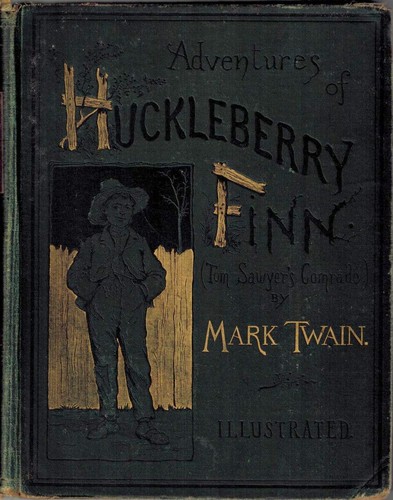 Adventures of Huckleberry Finn and Harper Lee’s
  To Kill a Mockingbird—faced early opposition for their unfiltered depictions of racism, language, and social injustice.
During the mid-20th century, the focus shifted toward ideological and political concerns, particularly during the McCarthy era, when books suspected of promoting communism or un-American activities were systematically purged from public and school libraries. Later, the culture wars of the 1980s and 1990s brought religious and parental objections to the forefront, targeting works perceived as promoting witchcraft (such as the 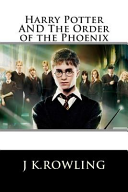 Harry Potter series), secular humanism, or explicit sexual content.
Today’s landscape builds upon these historical precedents but incorporates new vectors of anxiety. Modern challenges often center on themes of identity, systemic racism, gender, and sexuality, reflecting a deeply polarized society grappling with rapid cultural shifts.
Primary Drivers Behind Book Challenges
When investigating why some books are banned from school libraries, it is essential to examine the specific catalysts that prompt individuals or groups to file formal removal requests. While every challenge is unique, they generally fall into a few distinct categories:
1. Explicit Content and Age-Inappropriateness
The most common justification provided by challengers is the presence of sexually explicit material, profanity, or graphic violence. Parents and community members often argue that certain titles contain descriptions or themes unsuitable for minor readers, asserting that schools have a protective obligation to curate age-appropriate collections.
2. LGBTQ+ Themes and Identity Representation
A significant percentage of modern challenges target books featuring LGBTQ+ characters, narratives, or educational resources regarding sexual health and gender identity. Opponents often argue that these topics violate familial values or are inappropriate for school settings, while advocates counter that such books are vital for queer youth seeking validation and empathy from peers.
3. Race, History, and Social Justice
Literature addressing systemic racism, slavery, civil rights, and modern social justice movements has also faced intense scrutiny. Critics sometimes argue that certain historical narratives induce guilt, promote divisive ideologies, or misrepresent American history. Conversely, educators emphasize that confronting uncomfortable historical truths is essential for developing critical thinking skills.
4. Religious and Philosophical Objections
Some challenges arise from religious convictions, where community members object to storylines involving magic, secular worldviews, evolution, or perspectives that contradict specific theological doctrines.
"Censorship is telling a man you can't have a steak just because a baby can't chew it." — Mark Twain
The Legal Framework: Balancing Rights and Responsibilities
Deciding what goes onto a library shelf is not merely a matter of personal opinion; it is bound by constitutional law and established legal precedents. The landmark Supreme Court case Island Trees School District v. Pico (1982) remains the cornerstone of modern jurisprudence regarding school library book removals.
In the Pico decision, the Court ruled that school boards have broad discretion in the management of school libraries, but that this discretion is not unlimited. Specifically, the justices established that school boards cannot remove books from school libraries simply because they dislike the ideas contained within them or wish to prescribe what is orthodox in politics, nationalism, religion, or other matters of opinion. Removal motivated by partisan or ideological suppression violates the First Amendment rights of students.
However, the fragmented nature of the Pico ruling left gray areas, particularly regarding the distinction between curriculum (where school boards have immense authority to assign or restrict reading lists) and library collections (where students access voluntary, recreational reading). This legal ambiguity continues to fuel litigation across the country today.
The Impact on Students and Educators
The debate over banned books carries profound consequences for the educational ecosystem. When books are quietly removed or heavily restricted, the impact reverberates throughout the school community:
- Chilling Effect on Educators: Teachers and school librarians often experience professional anxiety, leading to self-censorship. To avoid controversy, educators may hesitate to introduce diverse, challenging, or contemporary literature that encourages robust classroom discussions.
- Loss of Empathy and Perspective: Literature serves as both a "window" into the lives of others and a "mirror" reflecting one's own experiences. Removing diverse stories limits students' exposure to cultures, struggles, and viewpoints different from their own.
- Stigmatization of Marginalized Youth: When books featuring characters of color or LGBTQ+ identities are removed, vulnerable students may interpret the action as a rejection of their lived experiences and identity.
Navigating Controversies: Best Practices for Communities
Resolving conflicts over library materials requires structured, transparent processes that respect both parental rights and professional educational standards. Effective school districts typically implement the following mechanisms:
- Comprehensive Selection Policies: Districts should maintain clear, board-approved collection development policies created by professional librarians and educators, ensuring books are chosen based on literary merit, educational value, and age appropriateness.
- Formal Reconsideration Procedures: Rather than allowing immediate removal based on informal complaints, districts should require a formal, written reconsideration request. This ensures that every challenged book undergoes a thorough review by a diverse committee of teachers, librarians, administrators, and parents.
- Read the Entire Work: Policies frequently mandate that any challenger must read the entire book in question—rather than isolated, out-of-context excerpts—before a formal review can commence.
- Open Dialogue and Compromise: Fostering respectful public forums allows community members to express concerns while upholding the educational freedom necessary for a comprehensive curriculum.
Conclusion: The Ongoing Quest for Intellectual Freedom
The question of why some books are banned from school libraries touches upon fundamental values: the protection of children, the rights of parents, the authority of local communities, and the constitutional guarantee of free expression. As society continues to evolve, these tensions will inevitably persist.
Ultimately, a healthy democratic society relies on an educated citizenry capable of engaging with complex, diverse, and sometimes uncomfortable ideas. By supporting transparent policies, trusting trained educators and librarians, and encouraging open dialogue, communities can ensure that school libraries remain vibrant repositories of knowledge, curiosity, and intellectual freedom for generations to come.





