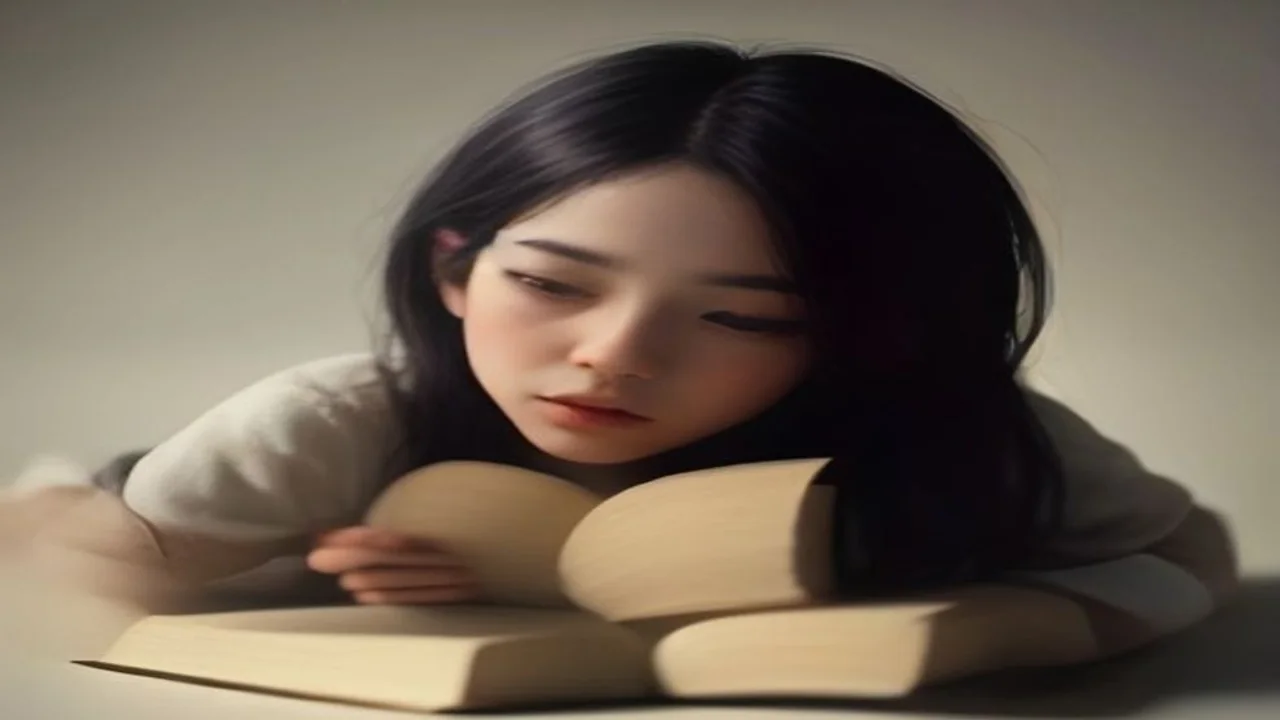
For decades, the publishing industry whispered a familiar, pessimistic narrative: poetry is a dying art form. Reserved for dusty academic anthologies, obscure literary magazines, and high school English classrooms where students were forced to decode meter and rhyme against their will, poetry seemed destined to fade into cultural obscurity. Yet, if you walk into a modern bookstore today, you will witness a startling contradiction. The poetry section is no longer a quiet, neglected corner; it is vibrant, heavily trafficked, and often front-and-center.
Today, young readers are turning to verse in record numbers. From Gen Z to younger millennials, a demographic once stereotyped as having an attention span tailored exclusively for short-form video content is devouring collections of contemporary poetry. This modern renaissance is not an accident. It is the result of a profound cultural shift, driven by digital platforms, a collective need for emotional resonance, and a reimagining of what poetry can look, sound, and feel like. Understanding why poetry is making a comeback among young readers reveals deep insights into the psychology of a generation navigating an increasingly complex world.
The Digital Catalyst: How TikTok and Social Media Reshaped Poetry
It is impossible to discuss the resurgence of poetry without acknowledging the elephant in the room: digital media, specifically TikTok. The subculture known as "BookTok" has fundamentally transformed the literary marketplace, and poetry has been one of its primary beneficiaries. Creators unpack emotional verse, record themselves reading poignant lines over atmospheric music, and share tearful reactions to heartbreaking collections.
This medium-specific format breathes new life into the written word. Traditional marketing relied on reviews in literary supplements; modern poetry relies on emotional contagion. When a young reader scrolls through their feed and encounters a four-line poem that captures the exact feeling of anxiety, unrequited love, or burnout they experienced that very morning, they don't just "like" the post—they buy the book.
Furthermore, platforms like Instagram have allowed poets to bypass traditional gatekeepers entirely. Authors who self-publish or build an audience online can share their work directly with millions of followers. This democratization of the art form means that poetry is no longer dictated by elite editorial boards. Instead, it is curated by the masses, ensuring that the work published resonates deeply with contemporary sensibilities.
Accessibility Over Arcanism: The Rise of Relatable Verse
One of the primary reasons young readers previously alienated themselves from poetry was its perceived elitism. Generations of students were taught that poetry was a puzzle to be solved—a coded message full of archaic allusions, strict metrical rules, and impenetrable metaphors that required a degree in literature to decode.
Contemporary poetry has largely shattered this barrier. Today’s most popular poets—figures like Rupi Kaur, Lang Leav, Atticus, and Clementine von Radics—write in a style that prioritizes emotional accessibility over technical obfuscation. They use plain language, free verse, lowercase lettering, and minimalist formatting. While purists have occasionally criticized this stylistic shift as simplistic, it serves a vital gateway function.
By removing the intimidation factor, accessible poetry invites everyone in. A reader does not need to know the difference between an iambic pentameter and a trochaic tetrameter to feel the punch of a well-crafted line about heartbreak. This democratization of craft has turned passive consumers of literature into active participants who feel confident enough to pick up a collection and say, "This speaks to me."
Mental Health, Vulnerability, and the Search for Connection
We are living through what public health officials have termed an epidemic of loneliness and mental health challenges, particularly among youth. Between the pressures of social media, economic uncertainty, and global instability, young people are searching for spaces that validate their inner emotional landscapes.
Prose novels offer immersive narratives, but poetry offers something different: distillation. Poetry is the art of compression, taking a complex, chaotic emotional state and condensing it into a few stark, resonant lines. For a generation experiencing high rates of anxiety and depression, reading poetry is an act of validation. It provides a mirror, whispering back to the reader: *You are not crazy, and you are not alone in feeling this way.*
"Poetry is when an emotion has found its thought and the thought has found words." — Robert Frost
This raw vulnerability is a hallmark of modern verse. Writers tackle taboo subjects—mental illness, trauma, systemic injustice, sexuality, and self-doubt—with a frankness that older literary generations often avoided. For young readers who value authenticity above all else, this uncompromising honesty makes poetry an indispensable companion.
Visual Aesthetics and the Tactile Appeal of Poetry Books
In an era dominated by screens, blue light, and digital ephemera, there is a powerful counter-movement toward tactile, physical objects. Young people are driving a massive boom in vinyl records, film photography, and, yes, physical books. Poetry collections occupy a unique sweet spot in this physical renaissance.
Modern poetry books are meticulously designed objects. They feature striking minimalist covers, deckled edges, thoughtful typography, and generous whitespace that invites the eye to rest. They are visually appealing and highly Instagrammable, functioning simultaneously as literary works and aesthetic lifestyle accessories.
Moreover, the physical layout of a poetry book offers a sensory experience that digital screens cannot replicate. Holding a slim volume of poetry, flipping through pages with ample whitespace, and pausing to let a single stanza sit heavy in your mind provides a meditative escape from the endless, frantic scrolling of modern digital life. It is an intentional slowing down of time.
How to Dive Into the Modern Poetry Scene
If you are inspired by this resurgence and want to explore the world of contemporary verse, the sheer volume of options can feel overwhelming. Here is a practical, actionable guide to help you find your footing in the modern poetry landscape:
- Start with Accessible Collections: Begin with authors who bridge the gap between traditional and modern styles. Look for accessible contemporary voices that focus on themes you care about—whether that is identity, nature, grief, or joy.
- Explore Literary Subcultures Online: Search hashtags like #BookTok or #PoetryCommunity on social media platforms. Follow independent poets who post their work daily; this allows you to sample different writing styles before committing to a full book purchase.
- Attend Local Open Mics and Poetry Slams: Poetry is fundamentally an oral tradition. Hearing a poem performed live by its author changes how you perceive the rhythm and emotion of the words. Check out local independent bookstores, coffee shops, and community arts centers for live poetry events.
- Try Writing Your Own: Don't wait until you feel like a "master" to write. Poetry is a processing tool. Grab a notebook, turn off your inner critic, and write down fragmented thoughts, striking images, or raw feelings without worrying about rhyme schemes or rules.
Conclusion: A Timeless Art Form Finding New Life
The resurgence of poetry among young readers proves that the art form is not a relic of the past, but a living, breathing pulse of the present. By adapting to new digital spaces, breaking down academic barriers, and leaning fearlessly into themes of mental health, identity, and raw human emotion, poetry has secured its place in the modern cultural zeitgeist.
As long as humans experience love, loss, confusion, and wonder, we will need words that capture the ineffable. Young readers understand this instinctively, proving that poetry's comeback is not a fleeting internet trend, but a permanent reclaiming of an ancient, essential human art.





