
Embarking on the entrepreneurial journey is thrilling, terrifying, and deeply unpredictable. Whether you are bootstrapping your first SaaS company or scaling a high-growth venture, the path of a founder is fraught with landmines. Fortunately, you don't have to invent the playbook from scratch. The world's most successful innovators have distilled decades of hard-won lessons into transformative literature.
Reading the right books about startups and entrepreneurship can save you years of trial and error, thousands of dollars in misallocated capital, and countless sleepless nights. But with thousands of business books crowding the shelves, where should you start? We have curated the ultimate reading list for modern founders, moving beyond generic motivational fluff to deliver tactical, battle-tested wisdom.
Why Reading Books About Startups and Entrepreneurship Matters
Some founders believe that building a business is purely an act of execution—that you learn best by doing. While action is irreplaceable, execution without strategy is just expensive guesswork. The top books about startups and entrepreneurship provide mental models that help you diagnose problems, anticipate market shifts, and navigate human psychology.
When you read a memoir by Phil Knight or a methodology guide by Eric Ries, you are effectively buying years of mentorship for the price of a paperback. You learn how to manage cash flow before you run out of money, how to hire A-players before you build a toxic culture, and how to pivot before your company goes bankrupt.
The Essential Top 10 Books About Startups and Entrepreneurship
Our carefully selected list covers every phase of the startup lifecycle, from the initial spark of an idea to scaling, marketing, and navigating the emotional rollercoaster of leadership.
1. "The Lean Startup" by Eric Ries
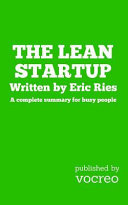 The Lean StartupAbout the book →
No list of books about startups and entrepreneurship is complete without Eric Ries' seminal work. "The Lean Startup" revolutionized how companies are built by introducing the concept of validated learning. Instead of writing a 50-page business plan, spending a year building a product in secret, and hoping the market wants it, Ries teaches founders to build a Minimum Viable Product (MVP), measure its performance, and pivot or persevere.
Actionable Takeaway: Stop guessing what your customers want. Design small, fast experiments to test your core assumptions before committing massive development resources.
2. "Zero to One" by Peter Thiel
Co-founded by PayPal mafia member Peter Thiel, this book challenges conventional wisdom about competition. Thiel argues that true entrepreneurs don't want to compete in crowded markets; they want to build monopolies by creating entirely new categories. The book forces founders to think deeply about technological progress, proprietary technology, and the importance of long-term vision.
Actionable Takeaway: Ask yourself Thiel's defining question: "What important truth do very few people agree with you on?" Your startup's value proposition should stem from that answer.
3. "The Mom Test" by Rob Fitzpatrick
Customer discovery is notoriously difficult because people are inherently polite. If you ask your mother or your friends if your startup idea is good, they will usually say yes to spare your feelings. "The Mom Test" is a short, punchy, and utterly practical guide on how to talk to customers and validate ideas when everyone is lying to you.
Actionable Takeaway: Never ask people if your idea is good. Instead, talk about their life, their past behavior, and how they currently solve the problem you are trying to address.
4. "The Hard Thing About Hard Things" by Ben Horowitz
Most business books focus on how to run a company when things are going well. Ben Horowitz, co-founder of Opsware and co-founder of Andreessen Horowitz, is refreshingly honest about what happens when things go completely off the rails. This book tackles the "peacetime CEO" versus "wartime CEO" dynamic and provides raw advice on layoffs, firing friends, and managing your own psychology under extreme stress.
"As an entrepreneur, I walked through the floor of hell so many times and I just got used to it." — Ben Horowitz
5. "Hooked: How to Build Habit-Forming Products" by Nir Eyal
For consumer tech and SaaS companies alike, retention is the name of the game. Nir Eyal breaks down the psychological mechanisms behind why users return to apps like Facebook, Twitter, and Pinterest over and over again. He introduces the "Hook Model"—trigger, action, variable reward, and investment—giving product teams a blueprint for sustainable user engagement.
Actionable Takeaway: Identify the internal triggers that drive your users to your product, and design variable rewards that keep them coming back for more.
6. "Founders at Work" by Jessica Livingston
Written by a founding partner of Y Combinator, this book consists of candid interviews with the founders of iconic tech companies like Apple, PayPal, and Blogger during their early days. It strips away the myth of overnight success and shows how messy, uncertain, and grueling the early stages truly were for companies that are now household names.
Actionable Takeaway: Realize that almost every successful startup looked like a chaotic disaster in its first year. Persistence through the mess is a core requirement.
7. "Good to Great" by Jim Collins
While not exclusively about early-stage startups, Jim Collins' research-backed masterpiece is essential reading for founders who want to transition from a scrappy small business to an enduring enterprise. Collins explores why some companies make the leap to greatness while others fail, introducing famous concepts like the "Hedgehog Concept," the "Flywheel Effect," and getting "Level 5 Leadership."
Actionable Takeaway: Focus on disciplined people, disciplined thought, and disciplined action. Build your team before you build your strategy.
8. "Blue Ocean Strategy" by W. Chan Kim and Renée Mauborgne
If you enter a "red ocean," you are fighting bloody battles against established competitors in an overcrowded market. "Blue Ocean Strategy" teaches founders how to reconstruct market boundaries and create uncontested market space where competition becomes irrelevant. It provides practical frameworks to shift your focus from beating rivals to creating quantum leaps in buyer value.
Actionable Takeaway: Use the ERRC grid (Eliminate, Reduce, Raise, Create) to find unique value propositions that your competitors are completely ignoring.
9. "Shoe Dog" by Phil Knight
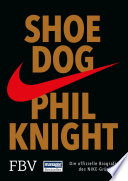 Shoe DogAbout the book →
No startup reading list is complete without a great memoir, and Phil Knight’s story of founding Nike is arguably the best. "Shoe Dog" illustrates the agonizing near-death experiences of early supply chains, litigation, bank loans, and partner fallouts. It reminds founders that building a world-class brand requires an almost irrational level of obsession and resilience.
Actionable Takeaway: Embrace the struggle. Knight’s journey proves that cash flow crunches and operational crises are not signs to quit—they are par for the course.
10. "Traction" by Gino Wickman
Many startups fail not because the product is bad, but because the leadership team lacks operational rhythm. Gino Wickman introduces the Entrepreneurial Operating System (EOS), a practical method for running growing businesses. It helps founders get on the same page with vision, data, process, traction, issues, and people.
Actionable Takeaway: Implement a weekly operating cadence. Track scorecard metrics and solve root-cause issues systematically rather than putting out fires every day.
How to Apply What You Read
Collecting books about startups and entrepreneurship can easily turn into a form of procrastination. Reading about building a business feels productive, but true value comes from application. To make the most of your reading list, follow these simple guidelines:
- Read with a pen in hand: Highlight passages that directly address your current business bottlenecks.
- Implement one idea at a time: Don’t try to apply Eric Ries, Peter Thiel, and Gino Wickman all in the same week. Pick one framework, test it, and iterate.
- Join a founder book club: Discussing chapters with fellow entrepreneurs helps cement the concepts and provides peer accountability.
Conclusion
The journey of building a company is an ongoing education. The best founders are relentless learners who consume wisdom from those who have walked the path before them. By diving into these top books about startups and entrepreneurship, you will sharpen your strategic thinking, avoid costly mistakes, and build the resilience needed to turn your vision into a reality. Pick your first book today, take notes, and start building.





