If you walked into a major bookstore five years ago, the display tables were predictable. They featured whatever newly released thriller the publisher had heavily marketed, the latest celebrity memoir, or a buzzy literary fiction title fresh from the printing press. Today, walk into that same bookstore, and you will likely see a dedicated table marked with a vibrant, unmistakable sign: "As Seen on BookTok."
This simple shift in retail merchandising represents one of the most seismic cultural and economic transformations the publishing industry has experienced in decades. BookTok—the thriving, passionate subcommunity of book lovers on TikTok—has fundamentally rewritten the rules of how books are discovered, marketed, and sold. No longer solely reliant on traditional gatekeepers like literary critics, review journals, and newspaper supplement sections, readers are turning to vertical video feeds for their next great read. In the process, they are reshaping the global book market.
Whether you are an avid reader looking for your next obsession, an aspiring author hoping to break into the industry, or a publishing professional trying to decode the algorithm, understanding the rise of BookTok is essential. Let’s dive deep into how this viral phenomenon works and why it has forever altered the literary landscape.
The Anatomy of a BookTok Viral Sensation
To understand how TikTok influences publishing, we first need to understand the platform's unique ecosystem. Unlike traditional book reviews that rely on carefully crafted prose and star ratings, BookTok thrives on raw, emotional, and highly visual storytelling. Videos rarely exceed a minute, yet they manage to capture the visceral experience of reading in a way no traditional advertisement ever could.
The typical viral BookTok video rarely features a dry synopsis of a plot. Instead, creators use a variety of engaging hooks:
- Emotional reactions: Videos of readers sobbing uncontrollably, throwing books across the room in disbelief, or staring blankly at the wall after finishing a devastating plot twist.
- Aesthetic and sensory immersion: Cozy reading nooks, dramatic lighting, iced coffee, customized bookmarks, and color-coded bookshelves accompanied by lofi beats.
- Relatable tropes: Categorizing books by specific reader cravings—such as "enemies-to-lovers," "found family," or "only one bed."
- The "Unhinged" pitch: Comedic, highly exaggerated summaries that sell a book purely on its wildest premises.
This democratization of book promotion means that a viral spark can come from anywhere. A teenager filming their tear-stained face in a bedroom can generate more sales overnight than a glowing review in a legacy publication. The algorithm doesn't care about a publisher's marketing budget; it cares about engagement, watch time, and emotional resonance.
"BookTok didn't just invent a new way to market books; it weaponized raw human emotion and community connection, turning solitary reading into a global, collective spectator sport."
Resurrecting the Backlist: Old Books, New Life
One of the most astonishing economic impacts of BookTok is its power to resurrect backlist titles—books that were published years, sometimes decades ago, and had long since passed their commercial peak. In traditional publishing, a book has a notoriously short shelf life of just a few weeks before bookstores sweep it away to make room for the next shiny release. BookTok completely shatters this timeline.
Consider the phenomenon surrounding Madeline Miller’s The Song of Achilles. Originally published in 2011 to critical acclaim, it was a respectable mid-list title that slowly faded into relative obscurity. Fast forward to 2020 and 2021: BookTok creators began passionately recommending the heartbreaking retelling of the Trojan War. The result? The book skyrocketed to the top of the New York Times bestseller list nearly a decade after its initial publication, selling millions of copies and turning Miller into a household name.
Another monumental example is Colleen Hoover, who became an unstoppable juggernaut on the platform. While Hoover had been a successful indie and traditionally published author for years, BookTok discovered titles like 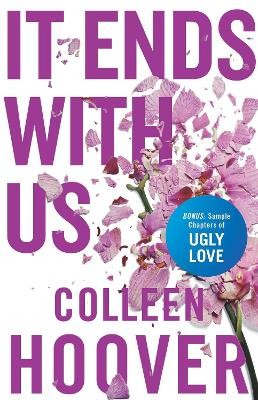 It Ends with Us years after their release, propelling her to outsell the Bible and major political memoirs combined during peak periods.
For publishers, this has fundamentally changed financial forecasting. They are no longer looking solely at advance sales for upcoming releases; they are scouring their backlists for hidden gems that might possess that elusive, highly visual emotional hook that the TikTok algorithm loves.
The Rise of Self-Published and Indie Authors
Historically, breaking into the traditional publishing world required landing a literary agent, passing through a gauntlet of editorial boards, and securing a major publishing house deal. While traditional publishing still holds immense prestige, BookTok has opened a lucrative, parallel highway for indie and self-published authors.
Platforms like Kindle Direct Publishing (KDP) and platforms like Wattpad have become breeding grounds for viral sensations. Authors who chose the self-publishing route no longer have to rely on expensive PR firms. Instead, they can market directly to their target audience on TikTok.
A brilliant recent example is Rebecca Yarros and her fantasy phenomenon  Fourth Wing. While published by Red Tower Books (an imprint of Entangled Publishing, which straddles traditional and indie sensibilities), its rocket-ship trajectory was fueled entirely by enthusiastic grassroots BookTok creators who obsessed over the dragons, war colleges, and sizzling romance. Similarly, self-published fantasy author-turned-traditional-sensation Liz Tomforde found her audience by directly engaging with readers on social media.
The indie publishing playbook on TikTok generally follows a few key steps:
- Build in public: Authors share their writing process, character mood boards, and world-building ideas long before the book is even finished.
- Leverage Advanced Reader Copies (ARCs): Indie authors send free digital or physical copies to micro-influencers on BookTok to build buzz ahead of launch day.
- Direct-to-consumer sales: Utilizing platforms like Kickstarter and specialized book subscription boxes (such as FairyLoot or Illumicrate) to fund gorgeous, sprayed-edge special editions that look stunning on camera.
How Publishers Have Adapted to the Shift
Traditional publishing houses were initially slow to understand the TikTok phenomenon, often viewing it as a passing fad for teenagers. However, as sales figures soared and physical bookstores struggled to keep up with demand, publishers realized they needed to pivot quickly. Today, almost every major publishing house has an entire department dedicated to influencer marketing and digital community management.
This adaptation has manifested in several fascinating ways:
- Early ARC seeding: Publishers now send books to BookTok creators months in advance, explicitly relying on organic grass-roots word-of-mouth rather than paid banner ads.
- Aesthetic-first design: Cover designs have shifted dramatically. Minimalist, high-end, or heavily textured covers with metallic foils and sprayed edges are prioritized because they photograph and video exceptionally well.
- Direct creator partnerships: Influencers with massive followings are frequently hired as consultants, invited to exclusive publisher events, or even asked to blurb upcoming releases.
Publishers have also learned that authenticity is paramount. The moment a BookTok creator feels a video is a transparent, corporate ad rather than a genuine recommendation, the community rejects it. Successful marketing on the platform requires subtlety, trust, and a deep understanding of what readers actually value.
The Criticisms and Challenges of BookTok Culture
While the economic boom and the resurgence of reading habits are undeniably positive, the rise of BookTok is not without its controversies and valid criticisms within the literary community.
One primary concern is the tendency toward homogenization. Because the algorithm rewards trending tropes and high-emotion reads (such as dark romance, romantasy, and thriller twists), it can create an echo chamber. Books that require slow, meditative pacing or complex, non-linear literary experimentation often struggle to find traction in a landscape optimized for 15-second emotional payoffs.
Additionally, the commercial pressure can take a toll on creators and authors alike. Creators often feel pressured to read at an unsustainable pace—sometimes dozens of books a month—just to feed the algorithm, leading to severe reading burnout. Authors, meanwhile, are increasingly expected to act as round-the-clock content creators and influencers, regardless of whether they possess the extroverted energy required to perform on camera.
Finally, the sheer volume of consumption promoted by the platform can veer dangerously into hyper-consumerism. The constant haul videos—where creators show off towering stacks of newly purchased books—sometimes prioritize the acquisition of books as aesthetic decor over the actual act of deep, thoughtful reading.
Actionable Advice: How to Leverage BookTok
Whether you are an aspiring writer, an avid reader, or a small business owner in the literary space, navigating this cultural shift requires strategy. Here is how you can harness the power of BookTok effectively:
- For Authors: Focus on community over sales pitches. Share your creative struggles, your character inspirations, and your passion for your genre. Connect with micro-influencers whose tastes genuinely align with your book's aesthetic and tropes.
- For Readers: Look beyond the top trending hashtags. Use niche tags like #HistoricalFictionTok, #SciFiTok, or #PoetryTok to discover brilliant books that might be flying under the mainstream viral radar.
- For Marketers: Prioritize visual storytelling and emotional hooks. Think about what makes your book unique, messy, beautiful, or heartbreaking, and translate that feeling into a relatable, bite-sized video concept.
Conclusion: The Future of Reading in a Digital Age
The rise of BookTok has proven one wonderful, enduring truth: people still love to read, and they desperately want to connect over the stories that move them. Far from killing the publishing industry, digital video has revitalized it, injecting billions of dollars in revenue, launching diverse new voices, and turning reading from a solitary pursuit into a vibrant, global community.
As the algorithm continues to evolve and new platforms emerge, the fundamental human desire for a good story—and someone to talk to about it—remains unchanged. BookTok has not only changed publishing; it has ensured that the written word will thrive for generations to come.





