Literature has an extraordinary power to capture the human condition in a few carefully chosen words. Across centuries, certain phrases have broken free from their original bindings, transcending pages and acts to become part of our collective linguistic DNA. Whether whispered in a moment of romance, declared in political discourse, or tossed out casually in everyday conversation, the most quoted lines in literary history carry a profound resonance that refuses to fade.
Why do certain sentences achieve immortality while millions of others are forgotten? It is a fascinating intersection of psychology, culture, and linguistic rhythm. In this comprehensive guide, we will explore the enduring power of these famous utterances, dissect the context behind the most quoted lines in literary history, and examine how you can use the art of memorable phrasing in your own writing and communication.
The Anatomy of a Timeless Literary Quote
Before diving into specific examples, it helps to understand what makes a line quotable. Not every beautifully written sentence becomes a cultural touchstone. The most quoted lines in literary history typically share a few distinct characteristics:
- Universality: They address fundamental human experiences—love, death, ambition, betrayal, or existential dread—that everyone can relate to, regardless of their background.
- Economy of Language: They pack maximum emotional or philosophical punch into minimal words. They are punchy, rhythmic, and easy to memorize.
- Adaptability: They can be lifted entirely out of their original context and applied to a myriad of modern situations without losing their underlying truth.
- Emotional Resonance: They evoke a strong feeling, whether it is comfort, heartbreak, humor, or righteous indignation.
When authors strike this delicate balance, their words stop belonging solely to them. They become public property, re-quoted on coffee mugs, tattooed on arms, and referenced in modern cinema and music.
Iconic Openings That Hooked the World
Some of the most quoted lines in literary history appear on page one. An unforgettable opening line sets the tone, establishes a voice, and dares the reader to look away. These hooks have become legendary precisely because they do so much heavy lifting right out of the gate.
1. Jane Austen’s Social Satire
"It is a truth universally acknowledged, that a single man in possession of a good fortune, must be in want of a wife."
Opening Jane Austen's 1813 masterpiece, 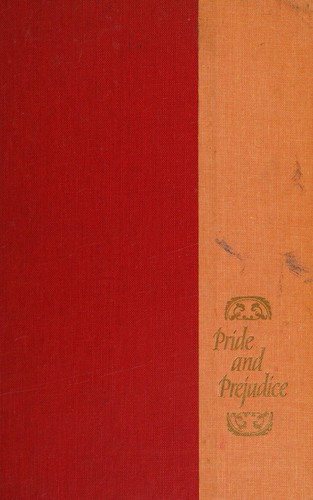 Pride and Prejudice, this line is a masterclass in irony. On the surface, it states a societal rule about marriage and wealth. Beneath the surface, it brilliantly skewers the matchmaking culture of 19th-century England. Today, people adapt this structure to joke about everything from coffee addictions to programming languages, proving its structural genius.
2. Charles Dickens and the Duality of Man
"It was the best of times, it was the worst of times..."
Opening  A Tale of Two Cities (1859), Charles Dickens captures the paradoxical nature of the French Revolution and, by extension, any era of intense social upheaval. This rhythmic antithesis remains one of the most frequently deployed journalistic and political soundbites when describing polarized societies.
- Identify the core conflict or paradox of your theme.
- Use parallel sentence structures (anaphora or antithesis) to create rhythm.
- Keep the vocabulary accessible so the impact isn't lost in translation.
Tragic Declarations and Romantic Absolutes
No exploration of the most quoted lines in literary history would be complete without examining the realms of romance and high tragedy. Drama and fiction thrive on extreme emotions, and the greatest writers know how to distill heartbreak into unforgettable declarations.
3. Shakespeare’s Existential Ponderings
"To be, or not to be, that is the question."
Coming from William Shakespeare’s Hamlet, this line is arguably the most famous philosophical query in the English language. Prince Hamlet weighs the pain of mortal existence against the terrifying unknown of death. It has been parodied, analyzed, and quoted by everyone from grade-schoolers to statesmen facing existential crises.
4. Emily Brontë’s Soul-Deep Connection
"Whatever our souls are made of, his and mine are the same."
From 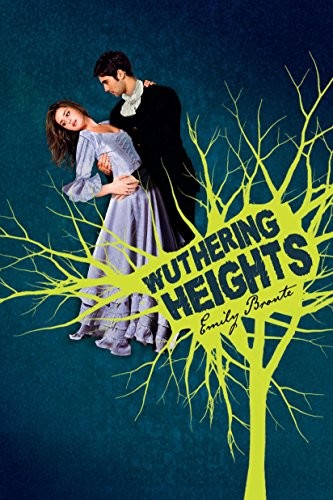 Wuthering Heights, this line encapsulates the fierce, consuming, and often destructive passion between Catherine Earnshaw and Heathcliff. It moves past conventional romance into the realm of spiritual destiny, inspiring generations of romantic writers.
"Literature is not merely a record of facts; it is the archive of the human soul. The most quoted lines in literary history survive because they give voice to the unspoken thoughts we all harbor in the quietest hours of our lives."
Social Critique Disguised as Fiction
Many of the most quoted lines in literary history serve as warnings. They skewer human nature, institutional corruption, or societal decay with such precision that they remain perpetually relevant, often growing more poignant as decades pass.
5. George Orwell’s Surveillance State
"Big Brother is watching you."
Coined in George Orwell’s dystopian prophecy 1984, this phrase has entered the global lexicon as shorthand for government overreach, privacy loss, and authoritarian control. In our modern age of data mining, algorithms, and constant digital surveillance, Orwell’s line is quoted more frequently than ever.
6. F. Scott Fitzgerald and the American Dream
"So we beat on, boats against the current, borne back ceaselessly into the past."
Concluding 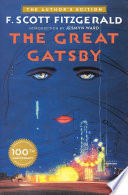 The Great Gatsby, this poetic meditation on human ambition and nostalgia captures the tragedy of chasing an idealized future while being anchored by history. It resonates with anyone who has ever tried to recapture a lost moment or achieve an elusive dream.
Actionable Advice: How to Write Memorable Lines
You do not need to pen the next great American novel to apply the lessons of the most quoted lines in literary history. Whether you are crafting marketing copy, writing a speech, drafting a novel, or posting on social media, you can harness these literary techniques to make your words stick.
- Embrace Contrast: Juxtaposition creates tension. Pair light with dark, hope with despair, or the mundane with the profound (as Dickens did).
- Cut the Fluff: Edit ruthlessly. If an adjective or adverb does not add emotional or narrative weight, delete it. Simplicity breeds memorability.
- Focus on Rhythm: Read your sentences aloud. The human brain naturally gravitates toward cadence, symmetry, and alliteration.
- Tap Into Universal Truths: Avoid overly niche jargon when you want to make a broad impact. Speak to primal human desires, fears, and joys.
By studying how the masters constructed their most enduring phrases, you train your own ear to recognize the cadence of powerful communication.
Conclusion
The most quoted lines in literary history are much more than mere trivia or schoolroom memorization exercises. They are milestones of human expression, capturing the triumphs, sorrows, and absurdities of our shared existence in amber. From Austen’s witty social observations to Orwell’s chilling warnings, these words remind us why storytelling matters. They cross language barriers, bridge generational divides, and prove that while the world changes rapidly, the human heart remains remarkably consistent.
As you read, write, and converse in your daily life, pay attention to the phrases that linger in your mind. Analyze them, learn from them, and perhaps, use them to add a touch of timeless literary magic to your own voice.





