
What makes a piece of literature truly immortal? Is it the complexity of its plot, the depth of its characters, or the way it manages to capture the universal human condition across centuries and continents? Every year, millions of readers, book clubs, and literary critics attempt to answer this question by curating lists of the ultimate literary masterpieces. When we look at global voting data, crowd-sourced platforms, and historical sales, a fascinating consensus emerges regarding the 50 best books of all time.
Unlike academic lists that often favor obscure or heavily symbolic works, global reader rankings reflect true emotional resonance. They highlight stories that have changed worldviews, survived revolutions, and sparked conversations across generations. In this comprehensive guide, we will explore the themes, history, and profound impact of these legendary works, while also providing you with actionable advice on how to conquer this ultimate reading bucket list.
The Pillars of Fiction: Timeless Classics That Defined History
To understand the 50 best books of all time, we must first examine the foundational pillars of modern storytelling. These are the books written in the 19th and early 20th centuries that laid the groundwork for how we experience narrative tension, moral ambiguity, and societal critique.
Take, for instance, Jane Austen’s  Pride and Prejudice. Long before romantic comedies dominated cinema, Austen dissected class, marriage, and personal growth with razor-sharp wit. Similarly, Fyodor Dostoevsky’s
  Crime and Punishment plunged readers into the agonizing psychology of guilt and redemption, proving that fiction could act as a mirror to the darkest corners of the human soul.
When compiling reader-voted lists, these classics consistently rank at the top because they address eternal questions:
- What is the cost of social conformity?
- How do we navigate the complexities of love and duty?
- Can an individual truly achieve moral redemption after committing grave errors?
Dystopian Visions and Political Warnings
It is no coincidence that speculative fiction and dystopian novels heavily populate reader rankings of the 50 best books of all time. Humanity has a perennial fascination—and warning—regarding totalitarianism, loss of privacy, and technological overreach.
George Orwell’s 1984 and Aldous Huxley’s  Brave New World offer two contrasting yet equally chilling futures. While Orwell warned us of a world controlled by fear, pain, and constant surveillance, Huxley predicted a society pacified by pleasure, consumerism, and superficial happiness. Both books have transcended their genre to become part of our daily political vocabulary.
"Books are the quietest and most constant of friends; they are the most accessible and wisest of counselors, and the most patient of teachers." — Charles William Eliot
Reading these dystopian masterpieces acts as an intellectual vaccine. They train our minds to question authority, analyze media messaging, and value the freedom of independent thought.
Epic Journeys and Modern Masterpieces
Beyond historical fiction and political warnings, the 50 best books of all time include sprawling epics that redefine world-building. J.R.R. Tolkien’s  The Lord of the Rings did not merely invent a fantasy realm; it created languages, mythologies, and an entire blueprint for modern epic fantasy. Readers worldwide return to Middle-earth not just for the magic, but for the profound theme that even the smallest, most insignificant person can change the course of history.
On the contemporary side, magical realism and post-colonial literature have claimed their rightful place in global literary canon. Gabriel García Márquez’s 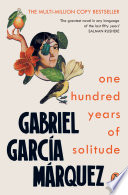 One Hundred Years of Solitude takes readers on a hypnotic journey through the rise and fall of Macondo, blending the mundane with the miraculous in a way that captures the unique historical memory of Latin America.
Actionable Advice: How to Tackle the Ultimate Reading List
Faced with a monumental list like the 50 best books of all time, even the most enthusiastic bibliophile can feel overwhelmed. How do you approach monumental texts like Leo Tolstoy’s 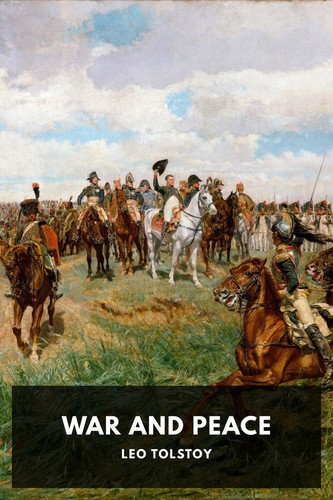 War and Peace or Herman Melville’s
  Moby-Dick without burning out? Here are a few practical strategies:
- Mix it up: Don't read three heavy 19th-century tragedies in a row. Alternate between a dense classic and a lighter, modern masterpiece.
- Set micro-goals: Instead of aiming to finish a book in a week, commit to reading 10 to 15 pages a day. Consistency always beats sporadic binge-reading.
- Use companion guides: For complex works like James Joyce’s Ulysses or Dante’s Inferno, reading alongside a podcast, annotation guide, or reading group can dramatically enhance comprehension and enjoyment.
- Embrace audiobooks: Long-form epics are brilliantly suited for audio formats. Listening to a skilled narrator bring Charles Dickens or Toni Morrison to life can make challenging prose accessible during commutes or chores.
Conclusion: Your Literary Journey Begins Today
The 50 best books of all time are more than just items to check off a reading challenge spreadsheet. They are portals to different eras, philosophies, and human experiences. Whether you are revisiting old favorites or diving into a notoriously challenging masterpiece for the first time, each page turned expands your empathy and deepens your understanding of the world.
So, pick your starting point, open the cover, and join millions of readers across the globe who have found wisdom, entertainment, and transformation within the pages of these enduring literary treasures.





