Throughout literary history, the written word has served as a crucible for societal transformation, a mirror reflecting the deepest truths of the human condition, and a weapon against oppression. While the canon of classic literature has historically favored male perspectives, some of the most influential, revolutionary, and enduring works ever published were penned by women. These authors did not merely tell stories; they dismantled oppressive structures, challenged cultural paradigms, and charted new frontiers of thought.
When we look for the most powerful books written by women, we are searching for texts that demand more than passive reading. They ask us to unlearn, to empathize radically, and to view the world through an entirely new lens. Whether you are building an intersectional reading list or seeking deep artistic inspiration, exploring these masterpieces is essential for anyone who values the transformative power of storytelling.
Reshaping Societal Norms: Literature as Rebellion
For centuries, women writers faced systemic barriers—from using male pseudonyms like Currer Bell and George Eliot to having their intellectual capacities actively doubted by the literary establishment. Despite these hurdles, they produced works that fundamentally altered how society understood gender, class, and autonomy.
Jane Austen’s 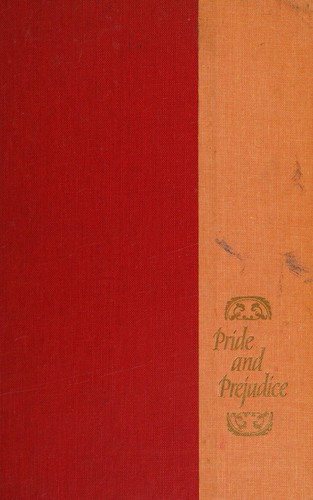 Pride and Prejudice is often mischaracterized as a mere romance, but beneath its witty parlor banter lies a sharp, subversive critique of the socioeconomic constraints placed on women in 19th-century England. Austen laid bare the reality that for women of her class, marriage was not just a matter of the heart, but a vital economic survival strategy. Elizabeth Bennet’s fierce independence and refusal to marry for comfort rather than mutual respect challenged the very foundation of patriarchal marriage markets.
Decades later, Virginia Woolf’s essays and novels, particularly  A Room of One's Own, provided the intellectual scaffolding for modern feminist criticism. Woolf famously argued that a woman must have money and a room of her own if she is to write fiction. This simple yet radical assertion shifted the conversation from women's supposed lack of literary genius to the material and structural conditions that denied them the time, space, and education required to cultivate it.
Dystopian Visions and Prophetic Warnings
Some of the most powerful books written by women take the form of speculative fiction and dystopian futures, serving as urgent warnings against authoritarianism, environmental degradation, and the loss of bodily autonomy.
Margaret Atwood’s  The Handmaid’s Tale stands as a towering achievement in modern speculative fiction. Set in the totalitarian regime of Gilead, the novel explores the systematic subjugation of women and the erasure of female agency. What makes Atwood’s work enduringly terrifying is her strict rule: every atrocity depicted in the book has a historical precedent in the real world. It reminds readers that hard-won rights are fragile and can be stripped away with terrifying speed.
Similarly, Ursula K. Le Guin’s 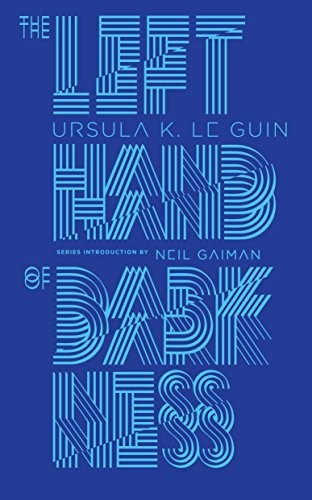 The Left Hand of Darkness revolutionized science fiction by imagining a human society on the planet Gethen where individuals are ambisexual and genderless for most of the month. Le Guin used this imaginative framework to strip away gender roles entirely, forcing readers to examine how deeply socialization colors our perceptions of power, war, love, and community.
Confronting Trauma, Race, and Identity
Literature written by women of color has consistently pushed the boundaries of narrative form while laying bare the intersecting trauma of racism, sexism, and generational pain. These works do not look away from darkness; instead, they illuminate it so thoroughly that healing becomes possible.
Toni Morrison’s Beloved is arguably one of the most haunting and emotionally devastating novels ever written. Based on the true story of Margaret Garner, an enslaved woman who killed her infant daughter to save her from a life of bondage, Morrison explores the psychological ghost of slavery. The novel’s famous opening line—“124 was spiteful. Full of a baby’s venom.”—plunges the reader directly into a haunted domestic space that symbolizes the collective trauma of a nation built on human exploitation.
Another monumental work is Chimamanda Ngozi Adichie’s Americanah, which modernizes the conversation around race, immigration, and identity. Through the lens of a Nigerian woman navigating life in the United States and the United Kingdom, Adichie dissects the nuances of global Blackness with piercing wit and intellectual rigor. It challenges both Western assumptions about Africa and immigrant experiences in the West.
Memoirs of Resilience: Bearing Witness
Nonfiction and memoir written by women occupy a unique space in literature, transforming personal survival into universal blueprints for courage and ethical awakening.
Maya Angelou’s I Know Why the Caged Bird Sings redefined the autobiographical genre. By detailing her harrowing childhood in the segregated American South, including surviving racial violence and childhood abuse, Angelou transformed personal trauma into an anthem of resilience and human dignity. Her voice taught generations of readers that speaking one’s truth is an act of revolutionary survival.
In a contemporary context, educating oneself through powerful literature means engaging with international voices like Malala Yousafzai’s 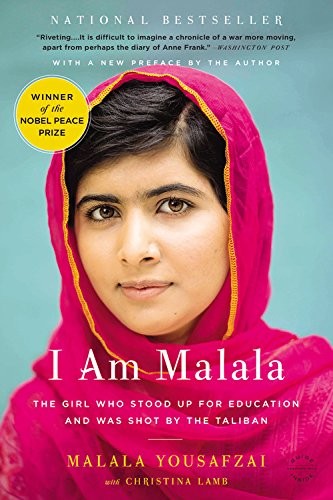 I Am Malala. Her memoir of surviving an assassination attempt by the Taliban for advocating girls' education serves as an inspiring testament to the power of youthful conviction in the face of extremist terror.
"There is no greater agony than bearing an untold story inside you." — Maya Angelou
How to Deepen Your Engagement with Women’s Literature
Reading the most powerful books written by women is not a check-box exercise; it is an active commitment to expanding your worldview. To get the most out of these transformative texts, consider the following actionable reading strategies:
- Read Intersectionally: Make a conscious effort to diversify your reading list across race, sexuality, socioeconomic status, and nationality. Women's experiences are not monolithic.
- Join or Start a Focused Reading Circle: Discussing complex themes of systemic oppression, identity, and autonomy with others deepens comprehension and introduces perspectives you may have missed.
- Keep a Literary Journal: Note how different authors handle narrative tension, character development, and ideological arguments. Ask yourself: What is this author trying to teach me about power?
- Support Contemporary Voices: While classics are foundational, support living female and non-binary authors who are pushing the boundaries of literature today.
Conclusion: The Ongoing Legacy of Female Authorship
The books explored here represent only a fraction of the monumental contributions women have made to global literature. From Austen’s social critiques to Morrison’s historical reckonings, these authors proved that literature is not a passive mirror of society, but an active hammer with which to shape it. By seeking out and deeply engaging with these texts, we honor the courage of the women who refused to be silenced, and we equip ourselves with the wisdom needed to build a more just, empathetic, and imaginative future.





