Literature has always been a mirror reflecting society’s deepest anxieties, most cherished values, and ugliest prejudices. In the 21st century, the digital age has accelerated the speed at which ideas spread, meaning that the most controversial books of the 21st century ignite global firestorms almost overnight. From memoirs that blur the line between truth and fiction to political exposés and speculative fiction that hits uncomfortably close to home, modern literature refuses to remain polite.
When we examine what makes a book controversial today, we see a shift from historical concerns over blasphemy and obscenity to contemporary anxieties regarding misinformation, identity politics, systemic corruption, and corporate power. These books do not just tell stories; they demand a reaction, forcing readers to take a stance on some of the most polarizing issues of our time.
The Anatomy of Modern Literary Controversy
What turns a simple bound volume of paper into a cultural flashpoint? In the 21st century, controversy is rarely accidental. Authors and publishers often skate on the razor's edge of public acceptability, knowing that outrage is one of the most effective marketing tools available. However, true literary controversy usually stems from three main pillars:
- Disruption of Consensus: The book challenges a widely held cultural or political belief that society had previously deemed settled.
- Lived Experience vs. Appropriation: Questions surrounding who has the right to tell certain stories, particularly regarding trauma, race, and marginalized identities.
- Institutional Pushback: Efforts by governments, school boards, and corporate entities to ban, restrict, or discredit the text.
Understanding these dynamics helps us look past the sensationalized headlines and examine why these texts strike such a profound nerve in the collective psyche.
Memoir and the Ethics of Truth: "A Million Little Pieces" by James Frey
Long before deepfakes and artificial intelligence made us question reality, James Frey’s 2003 memoir 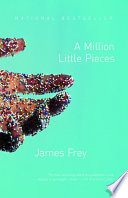 A Million Little Pieces ignited a massive debate about the boundaries of truth in non-fiction. Presented as a raw, unflinching account of drug addiction and rehabilitation, the book was a runaway bestseller, largely propelled by its selection for Oprah Winfrey’s prestigious book club.
The controversy exploded in 2005 when the investigative website The Smoking Gun revealed that Frey had fabricated or heavily embellished significant portions of his criminal record and addiction exploits. Oprah initially defended the author, famously arguing on her television show that the emotional truth mattered more than the literal facts. However, under mounting public pressure and a feeling of profound betrayal from her audience, she later brought Frey back on air to publicly admonish him.
The Lesson for Modern Readers
Frey’s scandal forced the publishing industry to reevaluate how it categorizes truth. It birthed a lingering skepticism among readers regarding memoirs and biographical accounts, establishing a precedent where transparency and accountability became paramount in non-fiction publishing.
Political Exposé and State Secrets: "Fire and Fury" by Michael Wolff
Non-fiction entered a new arena of turbulence in 2018 with the release of Michael Wolff’s Fire and Fury: Inside the Trump White House. Leveraging unprecedented access to the inner sanctums of the West Wing, Wolff painted a chaotic portrait of an administration ill-equipped for governance.
The book became an instant phenomenon, selling millions of copies despite attempts by the subject's legal team to issue a cease-and-desist letter and block publication. Rather than stopping the book, the legal maneuvering served as the ultimate promotional engine, propelling it to the top of bestseller lists globally.
"Books are mirrors: you only see in them what you already have inside you." — Carlos Ruiz Zafón
Wolff’s work cemented a new subgenre of the 21st century: the high-speed political tell-all. It raised profound ethical questions about journalism, the sanctity of off-the-record interviews, and whether the rapid monetization of political drama undermines the gravity of actual governance.
Speculative Fiction and Real-World Paranoia: "The Handmaid’s Tale" Legacy and "Them" Narratives
While Margaret Atwood’s 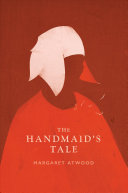 The Handmaid’s Tale was published in the 20th century (1985), its 21st-century cultural footprint—amplified exponentially by the award-winning television adaptation—makes it one of the most culturally influential and contested texts of our era. However, contemporary speculative fiction has evolved to address hyper-specific modern fears.
Books like Aldous Huxley and George Orwell look-alikes, combined with modern techno-thrillers and climate fiction (cli-fi), often find themselves targeted by school boards and parent groups. Works addressing systemic racism, such as Angie Thomas’s 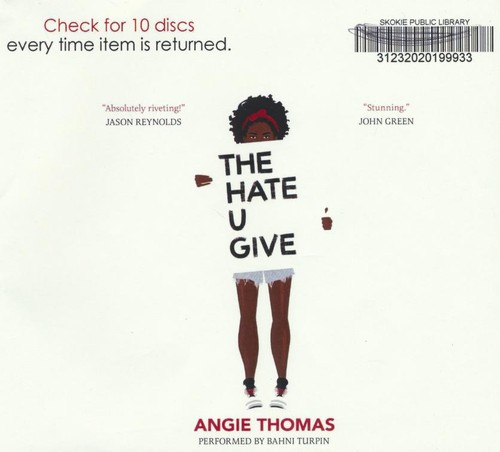 The Hate U Give, have consistently ranked among the most challenged books of the century. By framing systemic societal failures through compelling narrative fiction, these authors make abstract political debates deeply personal.
- Challenge Established Norms: Great speculative fiction takes a current societal flaw and magnifies it to its logical, terrifying conclusion.
- Humanize Statistics: Instead of dry policy debates, controversial books put faces, families, and emotional stakes behind hot-button political issues.
- Provoke Institutional Resistance: When authorities attempt to ban these books, it typically signals that the text has successfully diagnosed a vulnerability in the status quo.
- Empower Underrepresented Voices: Many modern controversies arise because historically marginalized groups are finally writing their own narratives on their own terms.
The Anatomy of Modern Book Banning
In the 21st century, book banning has undergone a digital transformation. It is no longer just a local school board quietly removing a copy of J.D. Salinger from a dusty library shelf. Today, organized political action committees, viral social media campaigns, and mass-reporting tools have turned literary censorship into a coordinated national sport.
According to organizations like the American Library Association (ALA), the number of titles targeted for censorship reached historic highs in the 2020s. The primary targets have shifted significantly:
- Books exploring LGBTQ+ themes and characters
- Titles addressing systemic racism, slavery, and civil rights history
- Novels containing explicit language or discussions of adolescent sexuality
- Biographies and histories written by authors from marginalized backgrounds
This organized pushback creates a paradox: the very attempts to suppress these books often catapult them into global visibility, driving digital sales and ensuring they are discussed by millions of people who might otherwise never have heard of them.
How to Approach Controversial Literature as a Critical Reader
When navigating the minefield of the most controversial books of the 21st century, it is easy to get swept up in the emotional rhetoric of social media outrage mobs or partisan pundits. To develop a genuinely nuanced perspective, apply these actionable strategies:
1. Read the Source Material Firsthand
Never rely solely on reviews, summaries, or angry social media threads to form your opinion on a controversial text. The context, tone, and authorial intent are often flattened or distorted in secondary commentary.
2. Separate the Art from the Artist (When Necessary)
Consider whether the controversy stems from the content within the pages or the personal behavior of the author outside of them. While both are valid reasons for critique, they require different intellectual frameworks.
3. Contextualize the Outrage
Ask yourself: *Who benefits from this book being suppressed or amplified?* Understanding the political, financial, or cultural incentives behind a controversy helps clarify why a particular title is causing a stir.
4. Embrace Intellectual Discomfort
If a book makes you angry or deeply uncomfortable, pause before reacting. Ask yourself whether that discomfort stems from a challenge to your core values, an exposure of your blind spots, or genuinely poor writing and offensive ideology.
Conclusion
The most controversial books of the 21st century serve as vital cultural barometers. They remind us that literature is not meant to be a safe, sanitized echo chamber designed to comfort our preexisting biases. Instead, the best modern books disrupt, challenge, and provoke. They force us to look directly at the messy, fractured reality of the human condition in the digital age. Whether through scandalous memoirs, daring political exposés, or provocative fiction, these texts ensure that literature remains a dynamic, dangerous, and utterly indispensable force in our world.





