Introduction: The Enduring Power of Censorship
Throughout human history, books have been burned, shredded, locked away, and outlawed. From the ancient libraries of Alexandria to the digital school board meetings of the twenty-first century, censorship remains one of humanity's most persistent impulses. But what is it about the written word that strikes such fear into the hearts of authorities? The phenomenon of the most banned books in history reveals a fascinating paradox: the act of banning a book almost always amplifies its cultural footprint, turning controversial ideas into symbols of resistance and intellectual freedom.
When we examine the most banned books in history, we aren't just looking at a list of restricted texts; we are peering into the anxieties of specific eras. Books are rarely banned because they are poorly written. Instead, they are suppressed because they challenge prevailing power structures, question religious dogma, expose societal hypocrisies, or give voice to marginalized communities. Understanding why these books faced the chopping block helps us navigate our own contemporary debates surrounding freedom of speech, information literacy, and the boundaries of public discourse.
1. The Classics That Shocked the Establishment
Many of the literary works we now consider timeless masterpieces were greeted with outrage, censorship, and legal prosecution upon publication. The establishment often views avant-garde literature and biting social critique as a direct threat to public morality and social order.
Take, for instance, Gustave Flaubert’s 1857 masterpiece,  Madame Bovary. Today, it is celebrated as a foundational text of modern realism, but upon its release, the French government prosecuted Flaubert for public obscenity. The prosecution argued that the novel's depiction of female adultery and emotional disillusionment undermined public morals and religion. Flaubert was eventually acquitted, but the trial cemented the book's notoriety and made it a prime example of how artistic honesty clashes with conservative norms.
Similarly, James Joyce’s Ulysses spent years trapped in a legal quagmire. Considered by many scholars to be one of the most important novels of the twentieth century, it was banned in the United States and the United Kingdom for obscenity due to its stream-of-consciousness style, frank discussions of sexuality, and everyday vulgarity. The landmark 1933 court ruling in United States v. One Book Called Ulysses helped redefine obscenity law, establishing that a work must be judged as a whole rather than by isolated passages—a massive victory for literary freedom.
2. Political Subversion and Totalitarian Control
While moral outrage drives many book bans, political subversion is the primary motivator for authoritarian regimes. When a text threatens to dismantle state propaganda or expose systemic corruption, dictatorships move swiftly to erase it from public consciousness.
George Orwell’s dystopian satire 1984 has faced censorship from nearly every angle of the political spectrum since its publication in 1949. It was banned in the Soviet Union during the Cold War because its depiction of totalitarian surveillance, historical revisionism, and "thoughtcrime" bore an undeniable resemblance to Stalinist Russia. Ironically, the book has also been banned or challenged in various parts of the democratic world for its themes of political skepticism, revolutionary violence, and sexual explicit content. Orwell’s enduring warning about the manipulation of truth remains eternally relevant, which is precisely why authoritarian regimes and dogmatic institutions continue to fear it.
Another monumental target of political censorship is Aleksandr Solzhenitsyn’s The Gulag Archipelago. Documenting the brutal Soviet forced labor camp system through testimonies and personal experience, the book was strictly forbidden in the USSR. Possession of the manuscript could result in imprisonment or exile. Solzhenitsyn was arrested for treason and expelled from the Soviet Union, yet his work leaked to the West, exposing the atrocities of the Soviet regime to the global community and playing a vital role in dismantling the myth of Soviet utopianism.
3. Challenging Religious Dogma and Social Norms
Religion has historically held immense regulatory power over literature. Books that question divine authority, explore unorthodox spiritual concepts, or mock religious hypocrisy frequently top the list of the most banned books in history.
Salman Rushdie’s 1988 novel  The Satanic Verses is one of the most tragic and extreme examples of religious censorship and violent backlash. The novel explores themes of migration, identity, and magical realism, featuring dream sequences inspired by the life of the Prophet Muhammad. The book was banned in numerous countries with Muslim-majority populations, and the Supreme Leader of Iran, Ayatollah Ruhollah Khomeini, issued a fatwa calling for Rushdie's assassination. The controversy sparked global debates regarding the limits of blasphemy, freedom of expression, and the responsibilities of authors in a multicultural world.
On a different front, Vladimir Nabokov’s Lolita shocked the literary world upon its publication in 1955. Detailing an obsessive relationship between an adult narrator and a twelve-year-old stepdaughter, the novel was initially banned in France, the United Kingdom, Argentina, New Zealand, and South Africa. The visceral discomfort the book provokes is precisely Nabokov’s intention—he forces readers into the mind of an unreliable, manipulative narrator. Yet, for decades, booksellers and customs officials refused to look past the taboo subject matter to recognize the novel's brilliant prose and profound commentary on obsession and guilt.
4. Modern Controversies: YA Literature and Identity
Censorship is not a relic of the past; it is an active, ongoing phenomenon. In contemporary school districts and public libraries, the focus has shifted heavily toward young adult (YA) literature, books addressing racial injustice, and stories exploring LGBTQ+ identities.
Harper Lee’s Pulitzer Prize-winning novel  To Kill a Mockingbird has been a staple of American middle and high school curriculums for decades. However, it is also frequently challenged and banned. While early challenges often targeted its mature language and adult themes, contemporary objections frequently center on its use of racial slurs and the "white savior" narrative trope. While discussions around how we teach historical texts are vital and healthy, outright banning removes the opportunity for guided classroom conversations about racism, justice, and empathy.
Similarly, Toni Morrison’s powerful debut novel, 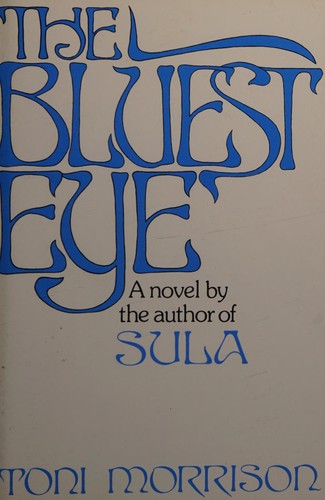 The Bluest Eye, routinely appears on lists of the most challenged books. Morrison fearlessly explores the devastating psychological impact of white beauty standards on a young Black girl, touching on themes of racism, incest, and trauma. Critics of the book often label it "sexually explicit" or "inappropriate," while supporters argue that censoring Morrison’s work silences Black experiences and deprives readers of literature that confronts the darker realities of American history.
"Books are the treasured wealth of the world and the fit inheritance of generations and nations. To censor a book is to commit an assault on the collective memory and imagination of humanity."
How to Support Free Expression and Intellectual Freedom
Knowing about the most banned books in history is only the first step. If you care about literature, free speech, and the right to read, there are concrete, actionable steps you can take to protect intellectual freedom in your community:
- Read Banned Books: The absolute best way to counter censorship is to engage with the material yourself. Form or join a banned book reading group to discuss why certain texts provoke such strong reactions.
- Support Local Libraries: Public and school libraries are on the front lines of intellectual freedom. Attend library board meetings, advocate for diverse collection policies, and thank librarians who stand up against censorship attempts.
- Donate to Free Speech Organizations: Support groups like the American Library Association’s (ALA) Office for Intellectual Freedom, the National Coalition Against Censorship (NCAC), and PEN America, which track book bans and provide legal and logistical support to targeted educators and librarians.
- Speak Out at School Board Meetings: When book challenges arise in your local school district, make your voice heard. Advocate for age-appropriate classification systems rather than outright bans that strip choices away from all families.
Conclusion: The Futility of Censorship
The history of censorship teaches us a universal lesson: banning a book rarely destroys it. Instead, it acts as a bizarre form of free marketing, drawing curious readers to texts they might otherwise have ignored. The most banned books in history endure because they touch upon fundamental truths about the human condition—our flaws, our fears, our politics, and our capacity for both cruelty and grace.
When we restrict access to difficult ideas, we do not protect readers; we infantilize them. By engaging with controversial literature, we sharpen our critical thinking skills, cultivate empathy for perspectives different from our own, and uphold the democratic principles of free speech and open inquiry. The next time you hear about a book being banned or challenged, don't look away—read it, question it, and defend the right of others to discover it for themselves.





