Introduction: When Fact Meets Immersive Storytelling
There is a unique magic that happens when rigorous historical research collides with the creative artistry of a master storyteller. History textbooks can give us dates, names, and strategic outcomes, but they often leave out the beating hearts, the whispered conversations in the dark, and the sensory details of what it actually felt like to live through monumental eras. This is where the genre of historical fiction shines brightest—specifically, when authors build their narratives upon the bedrock of true events.
Finding the best historical fiction books based on true events can transport you to the gilded drawing rooms of the Gilded Age, the tense underground networks of World War II resistance fighters, or the dusty, unforgiving trails of the American West. These books do not just recount history; they inhabit it. In this comprehensive guide, we will explore why these books resonate so deeply, how to choose the right one for your reading taste, and a curated list of masterpieces that transform forgotten footnotes into unforgettable journeys.
Why Read Historical Fiction Grounded in Real History?
Readers often ask: "If it's based on a true story, why not just read a non-fiction biography or history book?" It is a fair question, but fiction offers an emotional truth that traditional history writing rarely captures. Non-fiction is bound by verifiable documentation—if a diarist did not write it down, the historian cannot assume it. Historical fiction, however, bridges those historical gaps with psychological insight and empathetic imagination.
When you dive into the best historical fiction books based on true events, you gain several unique reading benefits:
- Emotional Resonance: You don't just learn that a famine happened; you feel the gnawing hunger and the agonizing choices faced by a fictionalized (or semi-fictionalized) family trying to survive.
- Contextual Understanding: Complex political movements, economic collapses, and social shifts become easier to digest when experienced through the eyes of relatable characters.
- Inspiring Further Exploration: Many readers find that a brilliant novel serves as a gateway to deep-dive non-fiction reading, sparking a lifelong passion for a specific era.
"Historical fiction is the bridge between what actually happened and how it felt to be alive while it was happening. It turns cold dates on a timeline into warm, breathing human experiences."
Top Masterpieces: The Best Historical Fiction Books Based on True Events
To help you curate your reading list, we have broken down some of the absolute pinnacle achievements in historical fiction that pull inspiration from real-world occurrences, forgotten heroines, and pivotal turning points.
1. The Nightingale by Kristin Hannah
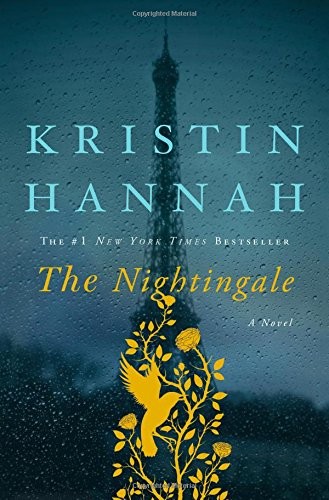 The NightingaleAbout the book →
Set in Nazi-occupied France during World War II, The Nightingale follows two estranged sisters, Vianne and Isabelle, as they navigate the brutal realities of war, occupation, and survival. While the characters are fictional, their harrowing experiences are deeply inspired by real historical figures and events—most notably, Andrée de Jongh, a Belgian woman who created the Comet Line, an underground network that helped downed Allied airmen escape across the Pyrenees.
Kristin Hannah’s meticulous research shines through every page, capturing the moral gray areas, the terror of suspicion, and the extraordinary courage of ordinary women who refused to let tyranny extinguish their humanity.
2. All the Light We Cannot See by Anthony Doerr
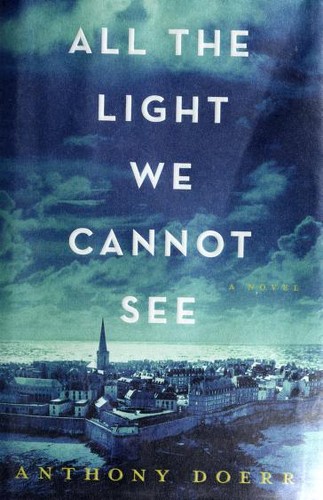 All the Light We Cannot SeeAbout the book →
Winner of the Pulitzer Prize, Anthony Doerr’s lyrical masterpiece intertwines the lives of Marie-Laure, a blind French girl living in Saint-Malo, and Werner, a German orphan conscripted by the Hitler Youth due to his uncanny aptitude for radio technology. The backdrop of the novel is the devastating Allied bombing of Saint-Malo in 1944. Doerr weaves historical reality with poetic prose, exploring how science, technology, morality, and human connection collide during total war.
3. The Alice Network by Kate Quinn
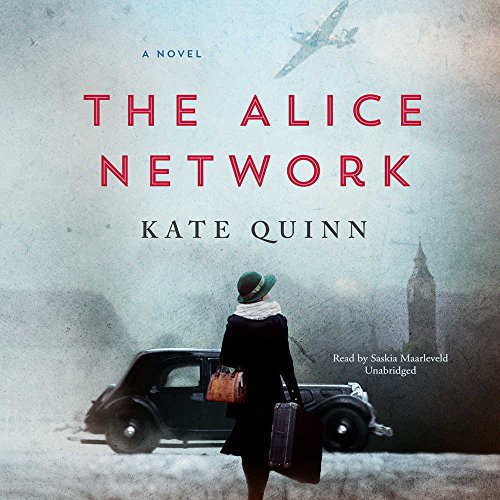 The Alice NetworkAbout the book →
If you love dual-timeline narratives packed with espionage, grit, and redemption, The Alice Network is an essential read. The novel shifts between 1947, featuring a pregnant college student searching for her missing cousin, and 1915, following a real-life World War I spy ring known as "La Dame Blanche" (or the Alice Network). The character of Eve Gardiner is heavily inspired by real female intelligence operatives who gathered crucial German military secrets from behind enemy lines, facing unimaginable dangers with breathtaking bravery.
4. Pachinko by Min Jin Lee
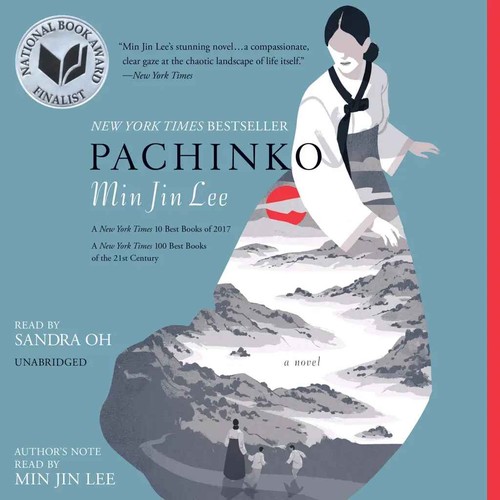 PachinkoAbout the book →
Spanning four generations of a Korean immigrant family living in Japan, Pachinko is an epic saga rooted in the harsh socio-political realities of twentieth-century East Asia. Min Jin Lee spent decades researching the lives of Zainichi Koreans—ethnic Koreans living in Japan who faced systemic discrimination, poverty, and displacement following Japan's annexation of Korea. While the specific family at the center of the book is fictional, their struggles mirror the exact historical trajectory of thousands of marginalized people who fought for dignity and survival.
How to Verify the History Behind Your Historical Fiction
One of the most rewarding parts of reading the best historical fiction books based on true events is playing literary detective afterward. Authors who tackle real-world history almost always include an "Author's Note" at the back of the book. Never skip this section!
- Check the Author's Note: Authors will explicitly detail what was altered for dramatic pacing, which characters were composites of multiple historical figures, and what events actually happened down to the letter.
- Cross-Reference with Primary Sources: If a particular character or battle sparks your curiosity, look up contemporary letters, museum archives, or academic histories covering the same window of time.
- Acknowledge Artistic License: Understand that historical novelists must compress timelines, combine characters, or invent dialogue to make a narrative flow. Accept this as part of the storytelling medium rather than a flaw.
- Map It Out: Keep a map handy (either digital or physical) to track where the characters are moving. Geography dictates strategy, culture, and survival in historical settings.
- Create a Soundtrack: Many eras have rich musical traditions. Play period-appropriate classical music, folk tunes, or jazz while you read to enhance the sensory environment.
- Join a Reading Circle: Discussing historical novels with others helps illuminate different perspectives, especially when examining the ethical dilemmas faced by characters in past eras.
Actionable Tips for Getting the Most Out of Your Historical Reading
To truly immerse yourself and deepen your appreciation for these stories, try adopting a few intentional reading habits:
Conclusion: The Timeless Value of Real-Life Stories
The best historical fiction books based on true events do more than entertain us on a rainy afternoon—they honor the dead, preserve forgotten struggles, and remind us of the enduring capacity of the human spirit. Whether you are marching through the battlefields of antiquity or surviving the quiet, desperate resistances of the twentieth century, these books invite us to step outside our modern bubble and walk a mile in the shoes of those who came before us.
So, pick up one of these modern classics, turn to page one, and let the ghosts of the past whisper their remarkable stories directly to your soul.





