Words are the currency of human thought. Whether you are a non-native speaker striving for professional fluency, a writer wanting to add color to your prose, or simply someone who loves the richness of language, expanding your lexicon is a transformative endeavor. Yet, finding the right path to word mastery can be overwhelming. Standard dictionaries feel like dry phone books, and mindless memorization rarely sticks. The secret weapon of master communicators? Reading the right books.
When you read strategically, words stop being abstract definitions on a page and transform into living, breathing entities anchored in context. But with millions of titles out there, which ones truly deliver? In this comprehensive guide, we have curated the absolute best books to improve your English vocabulary. From engaging non-fiction that breaks down word origins to literary masterpieces that showcase poetic nuance, these selections will elevate your communication skills.
Why Traditional Vocabulary Learning Fails (And What Works Instead)
Before diving into our list of the best books to improve your English vocabulary, it is crucial to understand why traditional methods often fall short. Most of us grew up being handed long vocabulary lists, told to memorize definitions, and tested on Friday. By Monday, those words vanished from our brains.
This happens because the human brain is not built to absorb isolated data points; it thrives on context, emotion, and narrative. To truly acquire a new word, you need to encounter it multiple times, in different settings, until its nuance becomes second nature. The books on this list utilize narrative engagement, etymology (the study of word origins), and cognitive psychology to help new vocabulary stick permanently.
"Words are not just tools for communication; they are the architecture of perception. When you learn a new word, you do not just gain a way to express an idea—you gain the ability to perceive that idea in the first place."
1. "Word Power Made Easy" by Norman Lewis
No discussion about vocabulary-building guides is complete without mentioning Norman Lewis’s timeless classic. First published in 1949, Word Power Made Easy remains the gold standard for anyone serious about upgrading their language skills.
Unlike standard textbooks that feel like chores, Lewis takes a conversational, witty, and highly systematic approach. He structures the book around etymology—specifically, Greek and Latin roots, prefixes, and suffixes. Instead of memorizing three thousand independent words, you learn the core building blocks that unlock thousands of words simultaneously.
Key Takeaways from the Book:
- Root-Based Learning: Discovering how prefixes like "mal-", "bene-", or "ante-" completely shift the meaning of a root word.
- Diagnostic Tests: Assessing your current vocabulary level before moving through each targeted chapter.
- Interactive Exercises: Puzzles, matching games, and pronunciation guides that reinforce active recall.
Actionable Advice: Do not rush through this book. Treat it as a workbook. Keep a dedicated notebook where you write down the roots, create your own sentence examples, and test yourself weekly.
2. "30 Days to a More Powerful Vocabulary" by Wilfred Funk and Norman Lewis
If you prefer a structured, bite-sized daily regimen, this companion text by Wilfred Funk and Norman Lewis is exceptional. The title says it all: the book is mapped out into a strict 30-day program, making it ideal for busy professionals or students who want sustainable daily growth.
Each day introduces a curated list of sophisticated words—ranging from terms used in everyday intellectual discourse to specialized expressions that instantly elevate your writing and speech. The authors do not just give you the definition; they explain the precise emotional and situational context of each word so you never misuse it.
Why This Book Works So Well:
- Manageable Pace: Spending just 15 to 20 minutes a day yields compounding results over a single month.
- Contextual Usage: Explanations of how words function in newspapers, literature, and casual conversation.
- Pronunciation Focus: Clear guides on how to pronounce complex words naturally without sounding pretentious.
3. "The Word Floyd: A Journey Through the Quirky History of the English Language" by Anatoly Liberman
Sometimes, the best way to remember a word is to understand its bizarre, fascinating history. Etymology is essentially the archaeology of language, and learning where a word came from turns memorization into an entertaining story.
While academic texts on etymology can be dry, books that explore the eccentricities of English history make words unforgettable. When you learn that a word like "muscle" literally translates to "little mouse" because flexed biceps resemble scurrying rodents under the skin, you will never forget it.
How to Apply Etymological Reading:
- Pick a word you find unusual or challenging.
- Trace its origins back to Old English, Latin, Greek, or Old Norse using a reliable etymological dictionary alongside your reading.
- Connect the historical definition to its modern usage to create a mental anchor.
4. "The Great Gatsby" by F. Scott Fitzgerald (Literary Fiction)
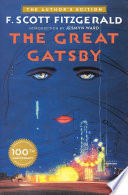 The Great GatsbyAbout the book →
While non-fiction workbooks are fantastic for structural learning, reading classic literature is arguably the most effective way to see vocabulary applied in the wild. F. Scott Fitzgerald’s masterpiece, The Great Gatsby, is renowned not just for its critique of the American Dream, but for its breathtaking prose.
Fitzgerald employs a luxurious, evocative vocabulary that paints pictures in the reader's mind. Words like *ephemeral*, *formidable*, *supercilious*, and *ineffable* flow naturally through the narrative. Reading literature forces you to deduce meanings from context, which is how native speakers naturally expand their vocabularies.
Tips for Learning Vocabulary Through Fiction:
- Don't Stop Every Two Minutes: On your first read-through, just enjoy the story and underline unfamiliar words without breaking your flow.
- The Second Pass: Go back through your underlined words, look them up in a dictionary, and write down the sentence from the book where they appeared.
- Active Imitation: Try writing a short paragraph about your own weekend using three new literary words you encountered in the chapter.
5. "Merriam-Webster’s Vocabulary Builder"
For those who want a blend of dictionary reliability and engaging lesson plans, Merriam-Webster’s Vocabulary Builder is an invaluable asset. This book takes thematic approaches to learning, grouping words into conceptual families such as science, human behavior, emotions, and society.
Each chapter introduces a root word, presents several derivatives, provides quizzes, and concludes with a fascinating essay on the evolution of those terms. It bridges the gap between academic rigor and accessibility.
Strategies to Maximize Your Vocabulary Learning Journey
Buying the best books to improve your English vocabulary is only the first step. True transformation requires consistent habits and active engagement. Here is a proven framework to ensure your new words stick:
1. Implement the Rule of Three
When you learn a new word, your brain needs to encounter it in three distinct contexts before it moves from your short-term memory to your active vocabulary. Use the word in a journal entry, drop it into a conversation with a colleague, and spot it in an article you are reading online.
2. Keep an Active Lexicon Journal
Ditch scrap paper. Keep a dedicated notebook or a digital note app dedicated entirely to your vocabulary journey. For every entry, record:
- The target word and its phonetic pronunciation.
- The part of speech (noun, verb, adjective, etc.).
- A clear definition in your own words.
- An original sentence that has personal meaning to you.
3. Focus on Precision Over Complexity
The goal of expanding your vocabulary is not to sound like a walking dictionary or to confuse your listeners with obscure jargon. The goal is precision—finding the exact right word to convey your precise thought, emotion, or nuance. Sometimes a simple word is best, but having a rich palette allows you to paint with incredible detail when the moment calls for it.
Conclusion
Mastering the English language is a lifelong adventure, and your vocabulary is the primary vehicle that drives your expression forward. By moving away from rote memorization and diving into the best books to improve your English vocabulary—such as Norman Lewis's classic workbooks, etymological explorations, and rich literary fiction like The Great Gatsby—you transform learning into an engaging, rewarding habit.
Pick one book from this list today, open to page one, and take the first step toward communicating with greater confidence, eloquence, and power. Your future words await you.