
Stepping into a management role is an exciting milestone, but it also marks the beginning of one of life's most challenging transitions. Suddenly, your success is no longer defined by your individual output, but by the collective performance, engagement, and growth of the people you lead. Whether you are a newly appointed supervisor or a seasoned executive looking to sharpen your edge, the journey of self-improvement never truly stops. The most successful leaders share a common trait: they are voracious readers.
Finding the right guidance can feel overwhelming amidst thousands of business titles published every year. To cut through the noise, you need a curated roadmap of the best books about leadership that offer timeless principles rather than temporary management fads. These aren't just books to read once and put on a shelf; they are operational manuals for human behavior, emotional intelligence, and strategic execution.
In this comprehensive guide, we explore the definitive reading list every modern manager should tackle to transform their leadership style, inspire trust, and build high-performing teams.
Why Reading Leadership Books is Non-Negotiable for Managers
Management is fundamentally about problem-solving, and most of the challenges you will face as a leader—from burnout and low morale to strategic misalignment and resistance to change—have already been solved by someone else. When you invest time in reading the best books about leadership, you are essentially buying decades of executive experience at a fraction of the cost.
Moreover, great leadership books challenge your assumptions. They force you to look inward and evaluate your blind spots. Do you micromanage out of anxiety? Do you struggle with having difficult conversations? Are you fostering psychological safety, or are your team members walking on eggshells? Literature provides a safe, reflective mirror that helps you adjust your approach before small friction points turn into cultural fractures.
1. The Gold Standard of People Management
Before you can lead a strategy, you must learn to lead people. The foundational layer of any great manager's library must focus on empathy, empowerment, and clear communication.
Extreme Ownership: How U.S. Navy SEALs Lead and Win by Jocko Willink and Leif Babin
If you want a masterclass in accountability, this is the book. Written by former Navy SEAL officers, Extreme Ownership argues that a leader bears absolute responsibility for everything that goes wrong within their team—no excuses, no blaming external circumstances. For managers, this mindset shift is revolutionary. When your team misses a deadline, instead of pointing fingers at underperforming staff, an extreme owner asks: "How did I fail to communicate the expectations, provide the resources, or remove the roadblocks?"
Key Takeaway for Managers: True authority cannot be demanded; it must be earned through taking responsibility for failures and sharing the glory of successes with your team.
Actionable Advice: The next time a project fails, hold a retrospective meeting where you explicitly state your role in the failure before asking for team feedback.
The Making of a Manager by Julie Zhuo
When Julie Zhuo was thrust into a management position at Facebook at the tender age of 25, she had no idea what she was doing. She learned the hard way, and fortunately for us, she documented the journey. This book is arguably one of the most practical, down-to-earth guides available for first-time managers. Zhuo covers everything from running effective one-on-one meetings and hiring top talent to transitioning from being a peer to being a boss.
- Focus on outcomes rather than busywork or micromanagement.
- Build trust by being radically transparent and admitting when you don't know the answer.
- Design a team culture intentionally rather than letting it happen by default.
2. Cultivating Culture and Psychological Safety
Great managers don't just assign tasks; they build environments where people feel safe to take risks, voice dissenting opinions, and bring their authentic selves to work. Culture is the invisible architecture of your team's success.
Radical Candor: Be a Kick-Ass Boss Without Losing Your Humanity by Kim Scott
Many managers fall into one of two traps: they are either aggressively abrasive (Ruinous Empathy or Obnoxious Aggression) or they are so afraid of hurting feelings that they never give honest feedback (Ruinous Empathy). Kim Scott introduces a third, highly effective path: Radical Candor. This framework teaches you how to "care personally" while "challenging directly."
"Radical candor means that you care personally about your people while simultaneously challenging them directly. It’s not about being harsh; it’s about being deeply committed to their growth." — Kim Scott
When you practice radical candor, praise is specific and sincere, and criticism is kind, clear, and focused on behavior rather than personal attributes. It transforms feedback from a dreaded HR ritual into a continuous tool for mutual improvement.
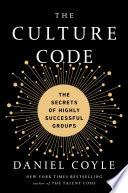
The Culture Code: The Secrets of Highly Successful Groups by Daniel Coyle
 The Culture CodeAbout the book →
What makes certain groups magical—where individuals combine their talents to produce results far greater than the sum of their parts—while other groups with equally talented people stall out? Daniel Coyle spent years investigating successful organizations, from Pixar to elite military units, to decode the secret sauce of culture. He found that successful cultures are built on three vital skills:
- Build Safety: Signaling connection and security through vulnerability and micro-interactions.
- Share Vulnerability: Encouraging team members to admit mistakes and ask for help openly.
- Establish Purpose: Connecting daily tasks to a larger, compelling narrative and shared goals.
3. Strategy, Execution, and Scaling Up
Once you have mastered people and culture, your attention must turn to execution. How do you take a grand vision and break it down into daily, manageable milestones without burning out your workforce?
Measure What Matters: How Google, Bono, and the Gates Foundation Rock the World by John Doerr
Execution requires focus and alignment. John Doerr introduces the concept of OKRs—Objectives and Key Results—a goal-setting system popularized by Intel and implemented successfully by tech giants like Google. Unlike traditional, rigid performance reviews, OKRs are ambitious, transparent, and reviewed frequently. They ensure that every individual on the team understands how their daily work contributes to the organization's overarching mission.
As a manager, implementing OKRs helps eliminate ambiguity. Your team will never have to guess what matters most because the metrics are crystal clear.
Good to Great: Why Some Companies Make the Leap... and Others Don't
Jim Collins and his research team analyzed companies that made the transition from being mediocre performers to sustained market leaders. Among their most famous findings is the concept of "First Who, Then What." Great leaders don't first figure out where to drive the bus and then get people to take it. They first get the right people on the bus (and the wrong people off the bus) and *then* figure out where to drive it.
For managers, this underscores the critical importance of hiring slow, firing fast, and placing people in roles that align with their natural strengths.
4. Mastering Emotional Intelligence and Influence
Technical competence gets you promoted to management, but emotional intelligence (EQ) keeps you there. The best books about leadership invariably address the inner game of managing your own emotions while positively influencing others.
Primal Leadership: Unleashing the Power of Emotional Intelligence by Daniel Goleman, Richard Boyatzis, and Annie McKee
The mood and actions of a leader have a disproportionate impact on the entire team—a phenomenon the authors call "primal leadership." If a manager is anxious, stressed, or cynical, that negativity cascades down rapidly, suffocating creativity and morale. Conversely, an emotionally intelligent leader acts as a stabilizing, resonant force.
Managers must develop self-awareness and self-management before attempting to master social awareness and relationship management. When you learn to regulate your stress, you create a buffer that protects your team from unnecessary panic.
How to Apply What You Read: A Practical Framework
Reading the best books about leadership is only 20% of the battle; the remaining 80% lies in consistent application. It is easy to feel inspired while turning pages on a Sunday afternoon, only to revert to old, reactive habits by Tuesday morning when a crisis hits.
To bridge the gap between theory and practice, use this simple implementation framework:
- Read with a Pen: Highlight passages that challenge your thinking or provide a specific tactic you want to try. Fold the corners of impactful pages.
- Pick One Habit Per Week: Do not try to implement five different management frameworks simultaneously. Pick a single concept—such as practicing radical candor during your Friday one-on-ones—and focus exclusively on that for seven days.
- Debrief with a Peer or Mentor: Discuss what you are reading with another manager. Explaining a concept out loud solidifies your understanding and holds you accountable for trying it out.
- Ask for Feedback: Tell your team directly what you are working on. You might say, "I'm reading a book on listening more and talking less in meetings. If you notice me dominating the conversation, please call me out." This demonstrates humility and invites collaboration.


![Awakening, The [EasyRead Large Edition] by Kate Chopin - American literature book cover](/_next/image?url=%2Fbooks%2Fcovers%2Fcmrlw76oa02zf5hkf5uj9zggd.jpg&w=1920&q=75)





