
Let’s be honest: the self-help industry has a bit of a reputation problem. For every profound volume on human psychology and growth, there are ten neon-covered paperbacks promising that if you just manifest hard enough, visualize your dream car, and slap a toxic-positivity smile on your face, your bank account will swell and your deepest insecurities will magically evaporate. It is no wonder that many readers feel cynical after spending money on books that offer grandiose promises but zero practical mechanics.
The truth is, not all personal development literature is created equal. While pop-psychology often leans into quick fixes, clinical psychologists and behavioral researchers have spent decades writing and endorsing literature firmly rooted in empirical science. These authors do not ask you to change your life overnight through sheer willpower; instead, they provide frameworks derived from cognitive behavioral therapy (CBT), acceptance and commitment therapy (ACT), neurobiology, and attachment theory.
If you are looking for self-help books that actually work, you have come to the right place. We consulted psychological researchers and clinical practitioners to curate a definitive list of 20 transformative books that move past the fluff and offer genuine, actionable tools for mental well-being, emotional regulation, and personal growth.
The Foundations of Cognitive Restructuring and Mindset
Before you can change your life, you have to understand how your brain processes information, interprets stress, and constructs narratives about who you are. These foundational titles help you identify cognitive distortions and rewrite unhelpful mental scripts using proven psychological methods.
1. "Feeling Good: The New Mood Therapy" by Dr. David D. Burns
Widely considered the holy grail of cognitive behavioral therapy, Dr. David Burns’ classic text remains a staple in clinical psychology offices worldwide. Burns outlines how distorted thinking patterns—such as all-or-nothing thinking, emotional reasoning, and catastrophizing—drive depression and anxiety. What makes this book work is its interactive nature; it includes written exercises that teach you how to systematically challenge and dismantle your negative self-talk.
2. "Mindset: The New Psychology of Success" by Dr. Carol S. Dweck
Stanford psychologist Carol Dweck revolutionized how we think about intelligence, talent, and capability through her decades of research on the "fixed" versus "growth" mindset. Dweck demonstrates that believing your abilities are carved in stone limits your potential, whereas cultivating a belief that skills can be developed through dedication fosters resilience. It is an essential read for overcoming perfectionism and fear of failure.
3. "The Gifts of Imperfection" by Dr. Brené Brown
Shame researcher and vulnerability expert Brené Brown offers a masterclass in letting go of who you think you are supposed to be and embracing who you actually are. Backed by qualitative research, this book explores ten guideposts for cultivating wholehearted living, helping readers trade the exhausting pursuit of perfection for authenticity and self-compassion.
4. "Learned Optimism: How to Change Your Mind and Your Life" by Dr. Martin E.P. Seligman
Written by the founder of positive psychology, Learned Optimism explains how our "explanatory style"—the way we explain setbacks to ourselves—determines our resilience. Seligman provides empirical evidence that optimism is not an innate genetic trait you either have or lack, but a cognitive skill that can be systematically learned and practiced.
Mastering Emotions and Emotional Regulation
Emotional suppression leads to psychological distress, but emotional reactivity leads to relational chaos. The following books help you bridge the gap, teaching you how to sit with difficult emotions, process them constructively, and regulate your nervous system.
5. "The Happiness Trap: How to Stop Struggling and Start Living" by Dr. Russ Harris
Based on Acceptance and Commitment Therapy (ACT), Dr. Russ Harris challenges the cultural myth that human beings are naturally happy and that negative emotions are pathological. Instead, Harris teaches mindfulness-based strategies to untangle yourself from painful thoughts and commit to actions aligned with your deepest personal values.
6. "Permission to Feel" by Dr. Marc Brackett
As the founding director of the Yale Center for Emotional Intelligence, Dr. Marc Brackett argues that emotional literacy is just as critical as academic intelligence. Brackett introduces the RULER method (Recognizing, Understanding, Labeling, Expressing, and Regulating emotions) to help adults and children alike navigate their emotional landscapes without becoming overwhelmed by them.
7. "Nonviolent Communication: A Language of Life" by Dr. Marshall B. Rosenberg
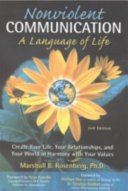 Nonviolent CommunicationAbout the book →
Though structured as a communication guide, this book is deeply psychological. Developed by clinical psychologist Marshall Rosenberg, NVC teaches you how to look past defensive language and identify the universal human needs driving both your own behavior and the behavior of others. It is an invaluable tool for conflict resolution and emotional clarity.
8. "The Body Keeps the Score: Brain, Mind, and Body in the Healing of Trauma" by Dr. Bessel van der Kolk
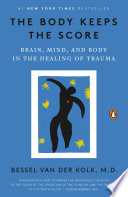 The Body Keeps the ScoreAbout the book →
For anyone healing from chronic stress or trauma, Dr. Bessel van der Kolk’s masterwork is transformative. Backed by decades of neuroscience and clinical observation, the book explains how psychological trauma literally rewires the physical brain and stores itself in bodily tension, while offering somatic pathways to recovery.
"The greatest discovery of any generation is that a human being can alter his life by altering his attitudes." — Dr. William James, Pioneer of American Psychology
Building Habits, Motivation, and Behavioral Change
Insight alone does not change behavior; consistent, small actions do. These books translate behavioral psychology into concrete systems designed to help you build better habits, break destructive loops, and reclaim your focus.
9. "Atomic Habits: An Easy & Proven Way to Build Good Habits & Break Bad Ones" by James Clear
 Atomic HabitsAbout the book →
While James Clear is a writer rather than a licensed clinical psychologist, his framework is heavily grounded in behavioral science, drawing directly from operant conditioning, cue-response loops, and cognitive psychology. Clear teaches that monumental life changes are not the result of radical overhauls, but the compounding effect of 1% improvements orchestrated through environmental design and identity-based habits.
10. "Drive: The Surprising Truth About What Motivates Us" by Daniel H. Pink
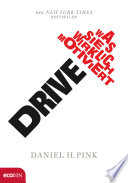 DriveAbout the book →
Drawing on four decades of behavioral science, Daniel Pink dismantles the traditional carrot-and-stick motivational model. He reveals that true, sustainable motivation is driven by three psychological pillars: autonomy, mastery, and purpose. Understanding these drivers is essential for anyone feeling stagnant in their career or personal projects.
11. "Deep Work: Rules for Focused Success in a Distracted World" by Dr. Cal Newport
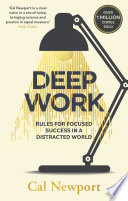 Deep WorkAbout the book →
Computer science professor Cal Newport explores the cognitive cost of constant distraction and fragmented attention. Backed by psychological research on cognitive load and neuroplasticity, Deep Work provides a rigorous blueprint for reclaiming your attention span, enhancing cognitive endurance, and producing high-value work in a hyper-connected society.
12. "The Little Book of Big Change: The No-Brainer Way to Break Bad Habits" by Dr. Amy Johnson
Clinical psychologist Dr. Amy Johnson applies the "Three Principles" psychological framework to habit formation. She explains that habits are not deeply ingrained neural tracks you must fight every single day, but simple illusions created by thought. Once you understand the nature of thought, breaking lifelong habits becomes remarkably effortless.
Healing Relationships and Attachment Patterns
Humans are fundamentally wired for connection, yet relational anxiety, codependency, and insecure attachment styles often sabotage our closest bonds. These psychologist-backed books illuminate the relational patterns keeping you stuck.
13. "Attached: The New Science of Adult Attachment and How It Can Help You Find—and Keep—Love" by Amir Levine and Rachel Heller
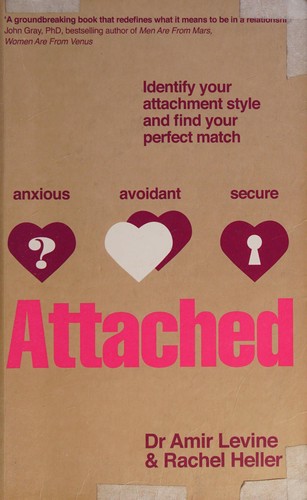 AttachedAbout the book →
Based on John Bowlby’s groundbreaking attachment theory, Attached categorizes adult romantic behavior into three distinct styles: secure, anxious, and avoidant. Understanding your attachment blueprint—and the blueprint of the people you date—demystifies relationship dynamics and empowers you to communicate your emotional needs clearly.
14. "Codependent No More: How to Stop Controlling Others and Start Caring for Yourself" by Melody Beattie
Originally written for the families of addicts, Melody Beattie’s landmark book became the definitive guide for anyone suffering from compulsive caretaking and boundary erosion. Beattie outlines how to redirect your hyper-vigilant focus away from managing other people's emotional states and back toward your own psychological healing.
15. "Hold Me Tight: Seven Conversations for a Lifetime of Love" by Dr. Sue Johnson
Dr. Sue Johnson developed Emotionally Focused Therapy (EFT), the gold standard in couples counseling. In Hold Me Tight, she translates attachment science into seven transformative conversations designed to help couples de-escalate destructive cycles of conflict, repair emotional disconnection, and rebuild profound intimacy.
16. "Set Boundaries, Find Peace: A Guide to Reclaiming Yourself" by Nedra Glover Tawwab
Licensed therapist Nedra Glover Tawwab offers a direct, no-nonsense approach to boundary setting. Backed by clinical experience, this book teaches you how to articulate your limits without guilt, manage difficult interpersonal dynamics, and stop people-pleasing at the expense of your mental health.
Resilience, Meaning, and Radical Acceptance
Life inevitably involves suffering, loss, and existential angst. The final group of books on our list helps you find purpose amidst adversity and cultivate radical psychological flexibility.
17. "Man’s Search for Meaning" by Dr. Viktor E. Frankl
 Man's Search for MeaningAbout the book →
Written by a psychiatrist who survived Nazi concentration camps, Viktor Frankl’s monumental work argues that human beings are driven not by the pursuit of pleasure or power, but by the " will to meaning." Frankl demonstrates that while we cannot always avoid suffering, we retain the ultimate freedom to choose our attitude toward it and find purpose within it.
18. "Radical Acceptance: Embracing Your Life With the Heart of a Buddha" by Tara Brach
Clinical psychologist and meditation teacher Tara Brach weaves together Western psychotherapy and Eastern mindfulness traditions. She introduces the RAIN practice (Recognize, Allow, Investigate, Nurture) as a powerful psychological antidote to the chronic feeling of "not being enough."
19. "The Power of Now: A Guide to Spiritual Enlightenment" by Eckhart Tolle
 The Power of NowAbout the book →
While often categorized under spirituality, Eckhart Tolle’s work aligns closely with modern mindfulness-based cognitive therapies (MBCT). Tolle provides practical insights on how to disidentify from the obsessive, anxiety-ridden chatter of the egoic mind and anchor your awareness entirely in the present moment.
20. "Self-Compassion: The Proven Power of Being Kind to Yourself" by Dr. Kristin Neff
Dr. Kristin Neff is the world’s leading academic researcher on self-compassion. In this groundbreaking book, Neff proves through empirical research that self-criticism is a terrible motivator that fuels anxiety and depression. She offers practical exercises to replace brutal self-judgment with kindness, common humanity, and mindfulness.
How to Read Self-Help Books for Maximum Psychological Impact
Buying self-help books that actually work is only half the battle; how you consume them determines whether they produce lasting change or merely provide temporary intellectual entertainment. Psychological research suggests that passive reading yields very little behavioral transformation. To get the most out of your reading list, try implementing these strategies:
- Read actively, not passively: Keep a highlighter and a dedicated journal nearby. Write down key takeaways in your own words to bridge the gap between reading and cognitive processing.
- Focus on one book at a time: Information overload is real. Reading five different books on five different topics simultaneously creates cognitive clutter and analysis paralysis. Pick one area of your life you want to target and immerse yourself fully in that text.
- Implement micro-experiments: Treat the book’s exercises as a psychological laboratory. If an author suggests a specific cognitive reframe or mindfulness drill, try it out for precisely one week before deciding whether it works for you.
- Combine reading with therapy: Self-help books are powerful supplements, but they are not clinical replacements. If you are dealing with deep trauma, severe anxiety, or clinical depression, use these books alongside professional guidance from a licensed therapist.
Ultimately, true personal growth is not about fixing a broken version of yourself; it is about developing psychological flexibility, self-awareness, and emotional resilience. By choosing evidence-based literature written by credentialed psychologists and researchers, you can invest your time wisely and embark on a genuine, scientifically grounded journey toward self-improvement.





