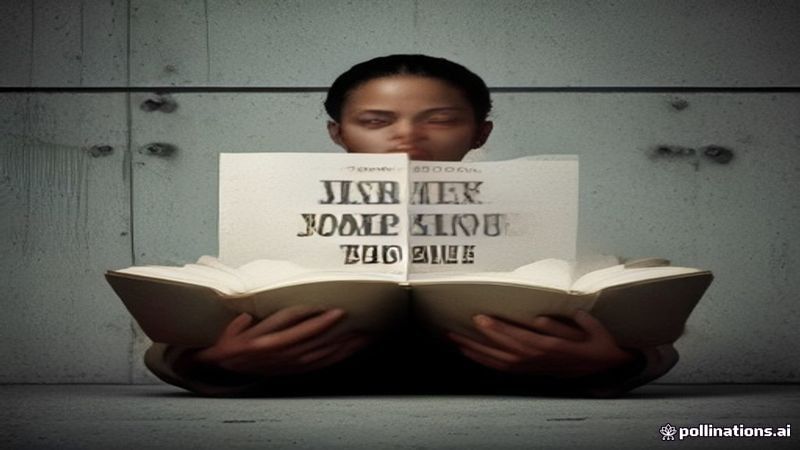
Literature has long served as a mirror for society, but few literary genres hold up a mirror as unflattering, revealing, and transformative as prison memoirs. When we search for books about prison life written by former inmates, we are looking for more than just true crime entertainment. We are seeking raw human truths, psychological survival guides, and critical critiques of the correctional system from the only people truly qualified to report on it: those who survived it.
Fiction can imagine the clanging of steel bars, but only firsthand experience can capture the deafening silence of solitary confinement, the complex hierarchy of yard politics, and the surreal transition back to a society that often refuses to forgive. Whether you are an avid reader of non-fiction, a criminal justice student, or a writer looking to understand the mechanics of confinement, these twenty essential books offer an unmatched window into the correctional world.
Understanding the Genre: Why We Read Prison Memoirs
Before diving into the reading list, it is worth asking: why do readers gravitate toward books about prison life written by former inmates? The answer lies in the universal fascination with survival under extreme conditions. Prisons are closed ecosystems with their own economies, social codes, and psychological pressures.
Furthermore, these books serve a vital educational purpose. They demystify mass incarceration, highlighting systemic flaws such as institutional racism, inadequate mental health care, and the failures of rehabilitation. By reading these accounts, we gain empathy and a clearer understanding of why prison reform is one of the most pressing civil rights issues of our time.
Memoirs of Solitary Confinement and Psychological Survival
Isolation is arguably the most psychologically damaging aspect of incarceration. The following books chronicle how individuals maintained their sanity—or fought to reclaim it—while locked away from human contact for 23 hours a day.
- "Solitary" by Albert Woodfox: Co-founder of the Angola 3, Woodfox spent over four decades in solitary confinement for a crime he did not commit. His memoir is a masterclass in resilience, political awakening, and brotherhood against impossible odds.
- "Hell Is a Very Small Place: Voices from Solitary Confinement" edited by Jean Casella, James Ridgeway, and Sarah Shourd: While featuring multiple voices, this collection is anchored by the harrowing firsthand accounts of men and women who endured the psychological torture of the box.
- "Buried Alive: A Journey from Solitary Confinement to Freedom" by Mohamedou Ould Slahi: Though detailing military detention rather than state prison, Slahi’s account of Guantanamo Bay explores the harrowing depths of sensory deprivation and state-sponsored isolation.
- "Hellhole: The United States in Solitary Confinement" by Shane Bauer: A unique entry because Bauer spent time as both a private prison guard and later researched the deep psychological scars left by isolation units across America.
These texts demonstrate that while physical walls can restrict movement, the human mind remains an unconquerable frontier—though not without bearing permanent scars.
The Female Experience Behind Bars
While the media often focuses on maximum-security male penitentiaries, women's prisons present a distinctly different set of challenges, including high rates of past trauma, separation from children, and unique healthcare needs.
- "Orange Is the New Black: My Year in a Women's Prison" by Piper Kerman: Famously adapted into a hit television series, Kerman’s memoir details her year in a federal correctional facility, highlighting the complex, supportive, and sometimes volatile communities formed among female inmates.
- "You Got Nothing Coming: Notes From a Prison Inmate" by Jimmy Santiago Baca: Though Baca is a man, his journey through maximum-security prison included deep observations of the marginalized populations within the system, focusing on literacy as salvation.
- "Is Everyone Hanging Out Without Me?" (Contextualized by prison advocacy): While not a pure memoir, exploring works like those by activist Angela Davis in "Are Prisons Obsolete?" provides the necessary theoretical framework for understanding the systemic targeting of women of color.
- "Inside: Life Behind Bars in America" by Michael Santos: Santos spent decades in federal prison, observing both male and female systems through correspondence and academic study, offering a clinical yet deeply human perspective.
"The transition from freedom to captivity is not merely a change of location; it is a complete restructuring of the soul, where every second is accounted for and every relationship is forged in the fires of survival." — Anonymous Former Federal Inmate
Journeys of Transformation and Redemption
Some of the most powerful books about prison life written by former inmates focus on radical personal transformation. These authors entered the system as troubled youths or violent offenders and left as scholars, activists, and artists.
- "Monster: The Autobiography of an L.A. Gang Member" by Sanyika Shakur (Monster Kody Scott): Written while the author was locked in Pelican Bay State Prison’s Security Housing Unit, this book chronicles his descent into gang warfare and his eventual political awakening.
- "Shantaram" by Gregory David Roberts: Though bordering on semi-autobiographical fiction, Roberts details his daring escape from an Australian maximum-security prison and his subsequent underworld life in Mumbai.
- "The Autobiography of Malcolm X" by Malcolm X with Alex Haley: A seminal American text that dedicates crucial chapters to the author's time in Norfolk Prison Colony, where he transformed his life through reading, debating, and converting to the Nation of Islam.
- "Bluebird, Bluebird" and other restorative justice texts: While many focus on memoirs, exploring the literary anthologies published by organizations like PEN America's Prison Writing Program showcases ongoing transformations.
Exposing Systemic Corruption and Injustice
For those who wish to understand the political and economic machinery driving mass incarceration, memoirs written by whistleblowers and political prisoners offer an indispensable perspective.
- "Enron: The Smartest Guys in the Room" (and memoirs by white-collar offenders like Jeffrey Skilling or Bernie Madoff associates): These offer a glimpse into the bizarre subculture of minimum-security "Club Fed" facilities versus violent state penitentiaries.
- "Before the Next Shot Rings Out" by various exonerees: Collections of essays by men and women exonerated by the Innocence Project provide terrifying insights into how the legal system fails innocent people.
- "Waiting to Be Heard: A Memoir" by Amanda Knox: While detailing an Italian prison rather than an American one, Knox’s memoir explores the nightmarish reality of being a young foreigner trapped in a foreign penal system.
- "Straight Life: The Story of Art Pepper" by Art and Laurie Pepper: A legendary jazz saxophonist details his multiple stints in San Quentin and other California prisons, capturing the tragic intersection of addiction and the criminal justice system.
Practical Takeaways: What Readers Can Learn
Reading these memoirs isn't just an exercise in empathy; it provides tangible insights into human psychology, conflict resolution, and institutional structures. Here are a few key lessons derived from these powerful texts:
- The Power of Routine: Inmates consistently emphasize that establishing a rigid daily routine—whether through exercise, reading, or writing—is vital for preserving mental health in chaotic environments.
- The Value of Education: Across multiple memoirs, access to books and educational programs serves as the primary catalyst for successful reentry and rehabilitation.
- Navigating Conflict: The unspoken rules of prison yards teach harsh lessons in de-escalation, boundary setting, and the danger of showing weakness or vulnerability prematurely.
Conclusion: The Lasting Impact of Prison Literature
Books about prison life written by former inmates challenge us to look beyond sensationalized media tropes and confront the complex reality of human rehabilitation and institutional failure. These twenty titles represent courageous acts of storytelling. By reading them, we honor the resilience of their authors and participate in a crucial dialogue about justice, mercy, and reform.
Whether you choose to start with the harrowing isolation of Albert Woodfox's "Solitary" or the societal critique found in Piper Kerman's "Orange Is the New Black," diving into prison literature will fundamentally change how you view freedom, society, and the human capacity to endure.