There is a very specific kind of exhaustion that only a truly great psychological thriller can induce. It is 3:15 AM. Your bedroom is pitch black, your heart is hammering against your ribs, and you are staring blindly at the ceiling, wondering how an author managed to dismantle your sense of reality in fewer than four hundred pages. You told yourself you would just read one more chapter before turning off the bedside lamp. Now, you are questioning every interpersonal relationship you have ever maintained, convinced that your cat is plotting against you, and desperately debating whether to turn the light back on.
The best psychological thrillers do not rely on cheap jump scares or graphic violence to terrify us. Instead, they weaponize human psychology. They peer into the dark, murky corners of memory, gaslighting, paranoia, and obsession. They ask deeply unsettling questions: How well do we really know our partners? Can we trust our own memories? What happens when the mind turns against its host?
If you are searching for that elusive book or film that will crawl under your skin and refuse to leave, you have come to the right place. We have curated a definitive list of 10 psychological thrillers that will keep you up all night, questioning everything you thought you knew.
What Makes a Masterpiece Psychological Thriller?
Before we dive into the list, it helps to understand the anatomy of a brilliant psychological thriller. Unlike standard detective mysteries where the primary goal is solving a puzzle (who killed the victim?), psychological thrillers focus inward. The external plot—whether it is a missing person, a locked-room mystery, or a case of identity theft—is merely a vehicle for exploring internal disintegration.
Key elements that define top-tier psychological thrillers include:
- The Unreliable Narrator: A protagonist whose perception of reality is warped, compromised, or outright dishonest, forcing the reader to constantly guess what is true.
- Atmospheric Dread: Settings that feel claustrophobic, isolated, or hauntingly ordinary, proving that horror can happen in a suburban kitchen just as easily as an abandoned asylum.
- The Slow Burn: Pacing that deliberately lulls you into a false sense of security before pulling the rug out from under you with a devastating plot twist.
- Moral Ambiguity: Characters who are neither heroes nor villains, making it impossible to root for a clean, morally satisfying outcome.
1. The Ultimate Unreliable Narrator: "Gone Girl" by Gillian Flynn
No list of modern psychological thrillers is complete without Gillian Flynn’s contemporary classic, 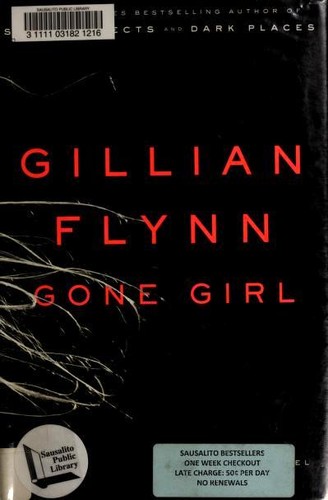 Gone Girl. When Nick Dunne’s wife Amy disappears on their fifth wedding anniversary, the ensuing media circus quickly paints him as the prime suspect. But as Flynn shifts perspectives between Nick's increasingly desperate diary entries and Amy's chilling retrospective thoughts, the story evolves into a razor-sharp critique of modern marriage.
Why it keeps you up: Flynn explores the performative nature of relationships. Long after you finish the book, you will look at your own partner and wonder: What are they really thinking right now?
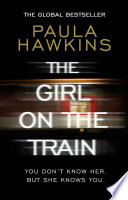
2. The Domestic Nightmare: "The Girl on the Train" by Paula Hawkins
Rachel takes the exact same commuter train every morning, watching the same couple eat breakfast on their patio. She names them "Jess and Jason," projecting an idealized life onto strangers to escape her own bitter divorce and alcoholism. Then, "Jess" (whose real name is Megan) goes missing. Rachel inserts herself into the investigation, waking up with horrific hangovers, bloodied knuckles, and agonizing gaps in her memory.
Why it keeps you up: The sheer terror of blacking out and realizing you cannot account for your own actions. Hawkins turns the mundane morning commute into a claustrophobic trap.
3. The Gaslighting Masterpiece: "The Silent Patient" by Alex Michaelides
Alicia Berenson’s life is seemingly picture-perfect: a famous painter married to a successful fashion photographer, living in a grand London home. Then, for reasons unknown, she shoots her husband five times in the face and never speaks another word. Years pass while she sits mute in a psychiatric facility, until criminal psychotherapist Theo Faber becomes obsessed with uncovering her motive—and healing her silence.
Why it keeps you up: The ending of this book is famous for a reason. It recontextualizes every single page that came before it, leaving you staring at the wall in stunned silence.
4. The Isolation Trap: "Misery" by Stephen King
While Stephen King is often labeled a horror writer, 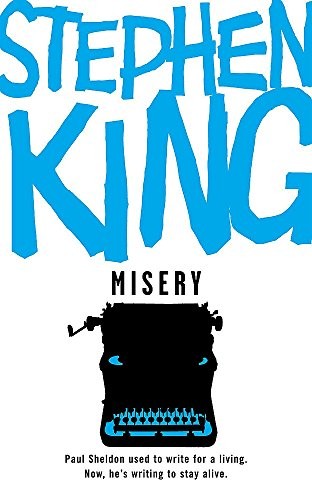 Misery is a masterclass in psychological thriller writing. After a severe car crash in a blizzard, famous novelist Paul Sheldon is rescued by his "number one fan," Annie Wilkes. Unfortunately, Annie is a former nurse with a deeply unhinged obsession, and when she discovers Paul killed off her favorite character in his latest manuscript, she holds him captive in her remote home, forcing him to write a resurrection novel.
Why it keeps you up: The absolute powerlessness of being trapped in a room with someone who holds all the cards, smiling politely while threatening your very existence.
5. The Identity Heist: "The Talented Mr. Ripley" by Patricia Highsmith
Tom Ripley is a struggling, impoverished young man in 1950s New York until a wealthy shipping tycoon hires him to travel to Italy and convince his wayward son, Dickie Greenleaf, to return home. Once Tom arrives, he becomes intoxicated by Dickie’s effortless luxury, charm, and lifestyle. Slowly, seamlessly, Tom’s admiration curdles into an obsessive desire to absorb Dickie’s entire identity—by any means necessary.
Why it keeps you up: Highsmith does something terrifying: she makes you root for a sociopath. You find yourself hoping Tom gets away with his crimes, which makes you question your own moral compass.
6. The High-Stakes Mystery: "Before I Go to Sleep" by S.J. Watson
Imagine waking up every single day with no memory of the past twenty years. You look in the mirror and see a middle-aged woman staring back at you, but your brain believes you are still in your twenties. Christine Lucas lives this nightmare daily. Every morning, her husband Ben has to re-introduce himself and explain her accident. Then, Christine starts keeping a secret journal, documenting the clues her doctor uncovers—clues that suggest the man she trusts most might be lying to her.
Why it keeps you up: Memory is the foundation of our identity. When that foundation is stripped away, how do you know who—or what—to believe?
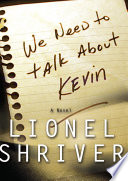
7. The Creepy Psychological Drama: "We Need to Talk About Kevin" by Lionel Shriver
Told through a series of harrowing epistolary letters from Eva Khatchadourian to her absent husband, this novel chronicles the life of their son, Kevin. From infancy, Kevin is defiant, cold, and manipulative, seemingly engineered to torment his mother. As Kevin grows older, his actions escalate toward a catastrophic high school massacre. Eva is left to grapple with an agonizing question: Was Kevin born evil, or did her own ambivalent motherhood create the monster?
"The scariest monsters are not hiding under the bed; they are sitting across the breakfast table, sharing your cereal, smiling with your eyes." — Anonymous Thriller Writer
8. The Claustrophobic Thriller: "Behind Closed Doors" by B.A. Paris
Jack and Grace are the ultimate power couple. He is a handsome, successful attorney who has never lost a case; she is a gracious homemaker, an exquisite cook, and a devoted sister to her disabled sibling, Millie. They seem too happy to be real. And they aren't.  Behind closed doors, Jack’s charming exterior masks a sadistic, calculating sociopath who has locked Grace in a gilded cage.
Why it keeps you up: The tension comes from watching society celebrate a monster while the victim is completely trapped in plain sight, unable to scream for help.
9. The Modern Noir: "Shutter Island" by Dennis Lehane
In 1954, U.S. Marshal Teddy Daniels and his partner arrive at Ashecliffe Hospital for the Criminally Insane on a remote Massachusetts island to investigate the disappearance of a patient who vanished from a locked room. As a massive hurricane cuts off the island from the mainland, Teddy finds himself trapped among violent psychopaths, corrupt doctors, and ghosts from his own past, all while experiencing debilitating migraines and hallucinations.
Why it keeps you up: The paranoia is palpable. Lehane builds a labyrinth of conspiracy where every turn makes you question whether Teddy is a brilliant investigator or a patient himself.
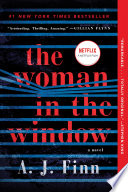
10. The Ultimate Twist: "The Woman in the Window" by A.J. Finn
Anna Fox lives alone in her sprawling New York townhouse, paralyzed by a severe case of agoraphobia. She spends her days drinking wine, watching classic black-and-white noir films, and spying on her new neighbors across the street—the Russells. One evening, through her camera lens, Anna witnesses something horrific happening in their living room. But when she calls the police, nobody believes her, and the family she saw insists nothing happened.
Why it keeps you up: Blurring the lines between medication-induced hallucinations and real-world danger, this novel forces you to doubt every single observation.
How to Choose Your Next Sleepless Read
With so many incredible options, how do you pick the right psychological thriller to conquer your next reading slump? Here is a quick guide to help you decide:
- If you love courtroom drama and quiet domestic suspense: Start with
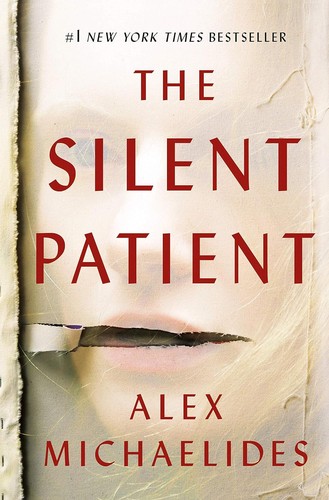 The Silent Patient.
 - If you want an aggressive, fast-paced page-turner with unlikeable characters: Dive into Gone Girl.
- If you enjoy historical atmosphere and literary depth: Pick up
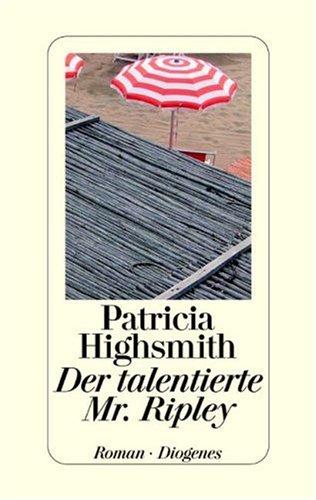 The Talented Mr. Ripley.
 - If you prefer isolation and creeping claustrophobia: Check out Misery or
 Shutter Island.
No matter which book you choose from this list, remember one golden rule: lock your doors, keep your bedside lamp within arm's reach, and never, ever trust a narrator who tells you everything is fine.