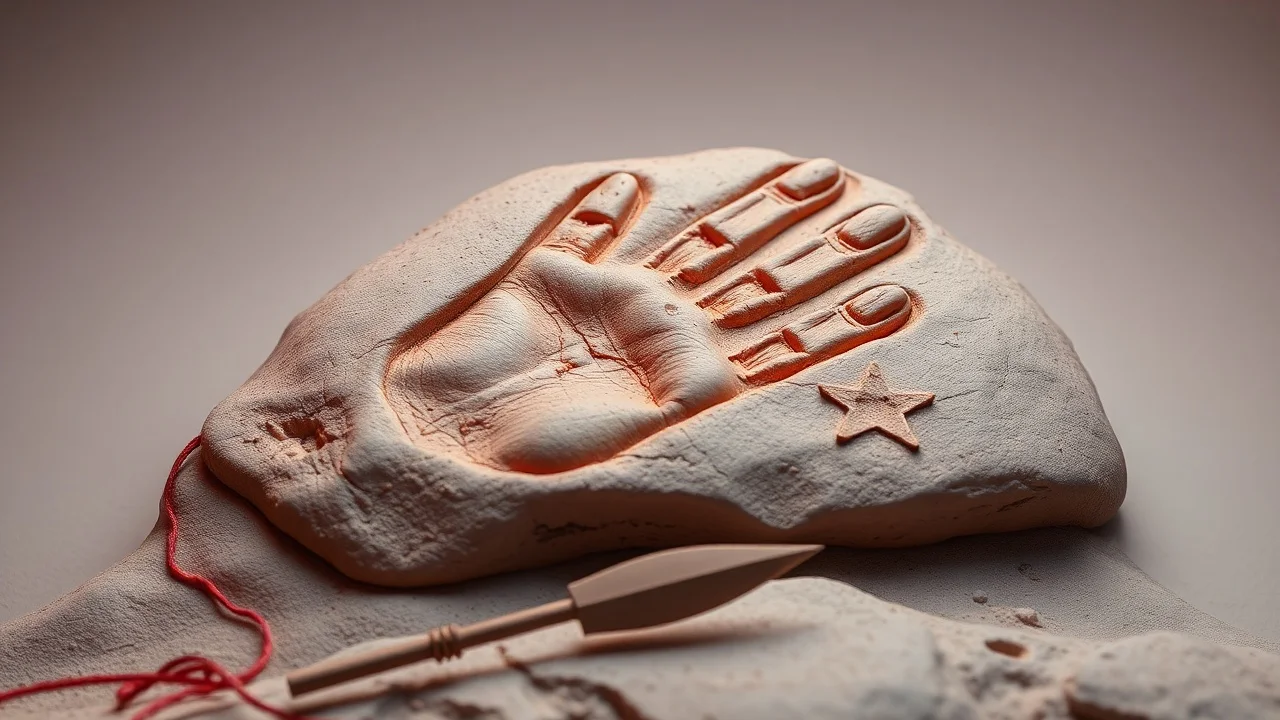
Role of History in Susanna Clarke's Jonathan Strange and MR Norrell
📘 About This Book
Publié en 2015, cette étude critique explore l'interaction complexe entre le récit historique et la fantasy au sein du roman acclamé de Susanna Clarke, Jonathan Strange and Mr Norrell. L'ouvrage examine comment Clarke utilise un pastiche méticuleux de l'historiographie du XIXe siècle, des notes de bas de page universitaires et des conventions d'archives pour construire une histoire alternative profondément immersive de l'Angleterre de la Régence. En analysant l'intégration structurelle et thématique de la magie dans des événements historiques réels, le livre
📖 Résumé
L'étude critique d'Arite Keller parue en 2015, Role of History in Susanna Clarke's Jonathan Strange and Mr Norrell, propose une analyse approfondie et complète de la manière dont le récit historique et la fantasy se croisent dans le chef-d'œuvre moderne de Susanna Clarke. Le livre étudie les façons ingénieuses dont Clarke emploie un pastiche méticuleux de l'historiographie du XIXe siècle, agrémenté de notes de bas de page savantes et de conventions d'archives, pour façonner une histoire alternative parfaitement immersive de l'Angleterre de la Régence. Keller guide les lecteurs à travers l'intégration structurelle et thématique de la magie dans de réels événements historiques, illustrant comment le roman interroge brillamment la nature même de la tenue des registres historiques, de l'identité nationale et de la marginalisation systémique du miraculeux. Tout au long de l'étude, Keller analyse les mécanismes littéraires précis par lesquels le réalisme historique est utilisé pour valider les éléments fantastiques, comblant ainsi efficacement le fossé traditionnel entre fiction historique et récits spéculatifs.
🎯 Leçons clés
💬 Citations notables
"Clarke employs history not merely as a decorative backdrop, but as a dynamic engine that shapes the ontological possibilities of magic within the narrative."
"The dichotomy between Norrell’s library-bound scholarship and Strange’s intuitive engagement reflects a broader tension between historiography as preservation and history as living practice."
"By weaving the Raven King into the fabric of English political history, Clarke interrogates the legitimacy of the historical canon and who possesses the authority to write it."
"The footnotes in Jonathan Strange & Mr Norrell serve as an historiographical apparatus, blurring the lines between documented fact and the subversive power of legend."
"The English landscape in Clarke’s work acts as a palimpsest, where the layers of forgotten magical history are constantly threatening to surface through the veneer of the Napoleonic era."
"Ultimately, Clarke suggests that history is a contested space; for magic to return, the established historical record must be dismantled and reimagined by those marginalized by it."
⚖️ Pour et contre
✅ Avantages
Analyse en profondeur les techniques structurelles d'un roman de fantasy moderne bien-aimé
Illumine le lien entre historiographie et fiction spéculative
Fournit des commentaires réfléchis sur l'identité nationale et la tenue des registres
Renforce l'appréciation du lecteur pour le savoir-faire de construction du monde de Clarke
⚠️ Inconvénients
Le ton académique peut ne pas plaire aux lecteurs occasionnels de fiction
Nécessite une familiarité avec le roman d'origine pour apprécier pleinement l'analyse
❓ Questions fréquentes
Quand ce livre a-t-il été publié ? +
Il a été publié en 2015.
Quel est l'objectif principal du livre ? +
Il examine l'interaction complexe entre le récit historique et la fantasy dans le roman de Susanna Clarke.
Qui a rédigé l'étude ? +
Le livre a été écrit par Arite Keller.
Comment Clarke parvient-elle au réalisme historique dans son roman selon Keller ? +
Grâce à un pastiche méticuleux de l'historiographie du XIXe siècle, des conventions d'archives et des notes de bas de page universitaires.
Quels thèmes plus larges l'étude explore-t-elle ? +
Elle étudie l'identité nationale, la tenue des registres et la marginalisation du miraculeux.