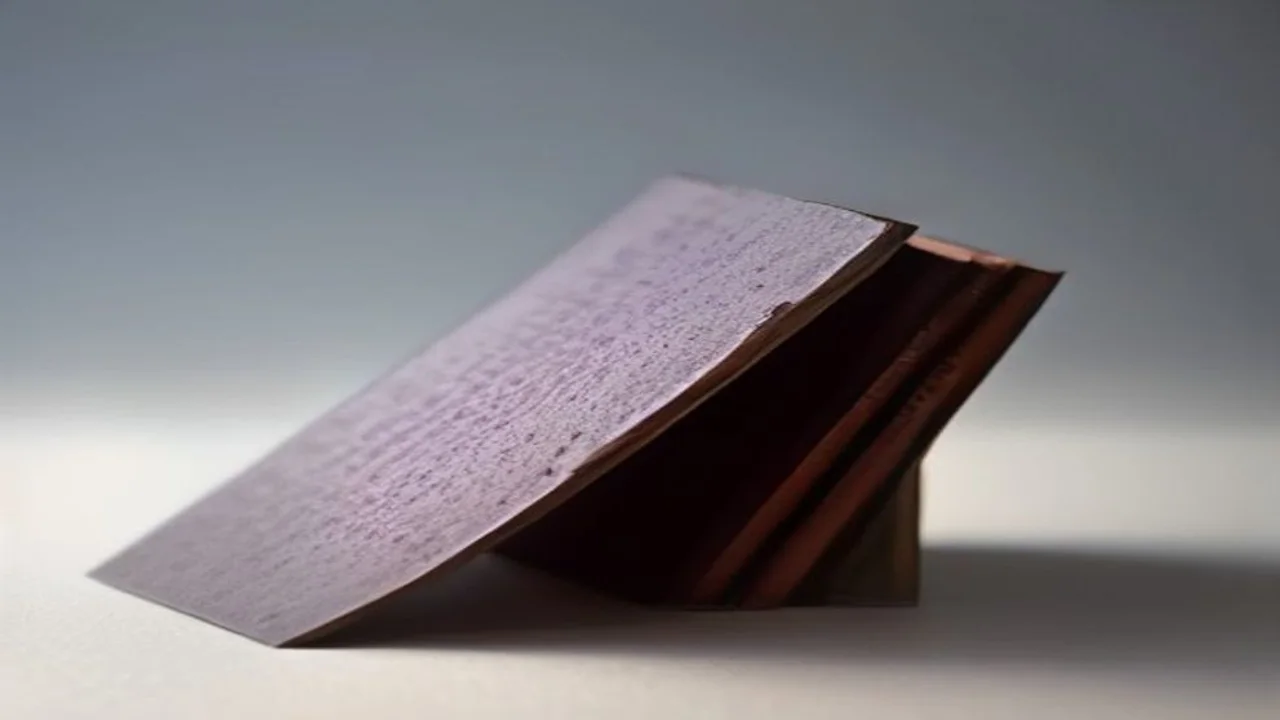
Plain Tales from the Hills

📘 About This Book
Publié pour la première fois à la fin du XIXe siècle et présenté ici dans une édition du milieu du siècle de 253 pages, ce recueil de nouvelles emblématique offre une fenêtre vivante et incisive sur le monde complexe de l'Inde coloniale britannique. S'inspirant des vastes expériences journalistiques de l'auteur dans la région, ces récits capturent les vues, les sons et les complexités sociales de la vie anglo-indienne, passant sans transition des plaines animées aux stations de montagne plus fraîches où les administrateurs coloniaux cherchaient refuge.
📖 Résumé
Plain Tales from the Hills de Rudyard Kipling offre une fenêtre vivante et incisive sur le monde complexe de l'Inde coloniale britannique, en s'inspirant profondément des vastes expériences journalistiques de l'auteur dans la région. Présenté dans une édition du milieu du siècle de 253 pages suite à sa première publication à la fin du XIXe siècle, ce recueil de nouvelles emblématique capture les riches vues, sons et complexités sociales de la vie anglo-indienne. Les récits passent sans transition des plaines animées aux stations de montagne plus fraîches où les administrateurs coloniaux et le personnel militaire cherchaient refuge contre la chaleur étouffante, peignant un tableau complet d'une société historique distincte. Tout au long du recueil, Kipling explore des thèmes universels tels que l'isolement, le devoir, la romance et le poids psychologique de l'empire à travers un large éventail de perspectives civiles et militaires. De nombreux récits plongent dans la friction subtile entre les dirigeants et les dirigés, ainsi que dans les codes sociaux rigides régissant...
🎯 Leçons clés
💬 Citations notables
"The actual religion of all Anglo-India is being driven off the face of the earth, or rather out of the mouth of man, by rail, road, and telegraph."
"A man should, whatever happens, keep to his own caste, race, and breed. Let the white go to the white and the black to the black."
"Skulls and cross-bones limit her ideas; but she is none the less clever for that. She can take a man's heart out of his bosom, tear it into small pieces, and burn it before his eyes, with the most touching regret."
"Love isn't made in a minute—not in the North or the South, and least of all in the East. It is a slow-growing plant."
"Give him all the work you can put upon him, from sun-up to sundown, and if you set him safe inside a fence, he'll grow."
"My Chief said: 'Let Mrs. Hauksbee alone.' But Mrs. Hauksbee is not the sort of woman who lets anybody alone."
⚖️ Pour et contre
✅ Avantages
Offre des fenêtres vivantes et incisives sur la vie historique anglo-indienne
Utilise un authentique bagage journalistique pour des détails sociaux réalistes
Explore des thèmes universels d'isolement et du poids psychologique de l'empire
Présente un éventail diversifié de perspectives civiles et militaires
⚠️ Inconvénients
Reflète les attitudes et les points de vue datés de l'impérialisme de la fin du XIXe siècle
Le format de la nouvelle peut laisser certains lecteurs sur leur faim quant à l'évolution des personnages
✍️ About the Author
Rudyard Kipling (1865-1936) was an English author and Nobel Prize laureate known for 'The Jungle Book' and poems such as 'If—', reflecting his experiences in British India.
View all books →❓ Questions fréquentes
Quel est le cadre principal du livre ? +
Les histoires se déroulent dans l'Inde coloniale britannique, alternant entre les plaines animées et les stations de montagne plus fraîches.
Quel contexte a inspiré ces histoires ? +
Le recueil s'inspire largement des vastes expériences journalistiques de l'auteur dans la région.
Quels sont les thèmes centraux explorés dans le recueil ? +
Les thèmes clés comprennent l'isolement, le devoir, la romance et le poids psychologique de l'empire.
Quels sont les personnages centraux présentés dans les récits ? +
Les contes présentent un éventail diversifié de perspectives civiles et militaires au sein de la communauté anglo-indienne.
Combien de pages compte cette édition spécifique du milieu du siècle ? +
Cette édition particulière compte 253 pages.