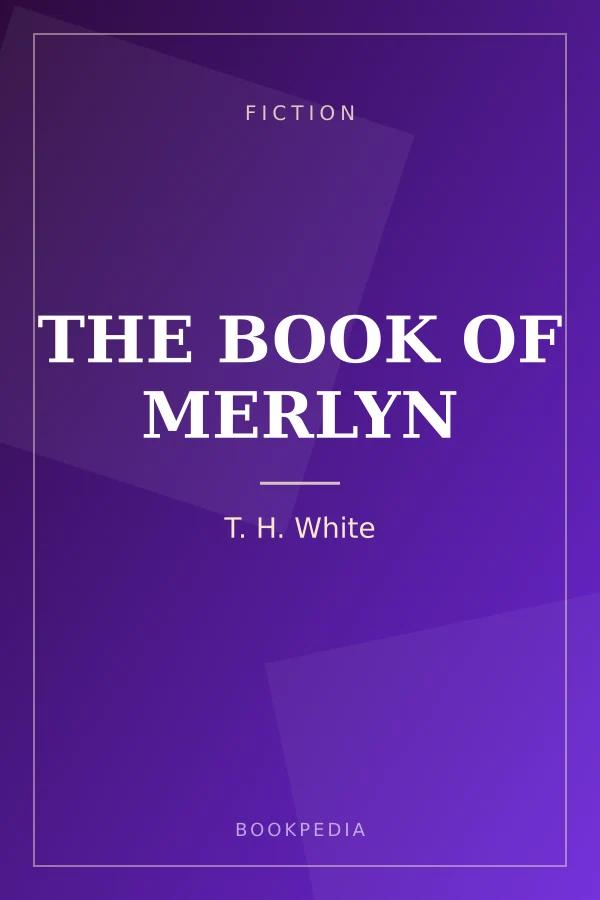
THE BOOK OF MERLYN (prologue By Sylvia Townsend Warner )

📘 About This Book
Als finaler, lang erwarteter Abschluss des gefeierten Artus-Meisterwerks, das mit The Once and Future King begann, bringt diese ergreifende Erzählung den legendären Monarchen und seinen gealterten Mentor für einen letzten, tiefgründigen philosophischen Dialog zusammen. Die Geschichte spielt am Vorabend der letzten, schicksalhaften Schlacht des Königs und entfaltet sich als intimes nächtliches Beisammensein, bei dem Meister und Schüler über die Natur der Menschheit, die Wurzeln der Gewalt und die Tragödie des Krieges nachdenken. Durch Begegnungen mit verschiedenen Kreaturen und tiefgehende moralische Untersuchungen erforscht der Text die bleibenden Themen von Macht, Frieden und den tragischen Fehlern der menschlichen Zivilisation. Ergänzt durch ein durchdachtes Vorwort der gefeierten Autorin Sylvia Townsend Warner, bietet diese Veröffentlichung von 1978 den Lesern eine ergreifende Abschlusssperspektive auf eine der beliebtesten Nacherzählungen der Artussage im zwanzigsten Jahrhundert und fängt die melancholische Weisheit eines meisterhaften Geschichtenerzählers am Ende seiner Karriere ein.
📖 Zusammenfassung
The Book of Merlyn, geschrieben von T. H. White und 1978 posthum mit einem nachdenklichen Vorwort von Sylvia Townsend Warner veröffentlicht, dient als lang erwarteter und ergreifender Abschluss des gefeierten Artus-Meisterwerks, das mit The Once and Future King begann. Die Erzählung spielt am Vorabend der letzten und schicksalhaften Schlacht des Königs und bringt den legendären Monarchen und seinen gealterten Mentor für einen letzten tiefgründigen philosophischen Dialog zusammen. Während sich Arthur auf den unvermeidlichen Konflikt vorbereitet, der das Schicksal seines Reiches bestimmen wird, entfaltet sich die Geschichte als intimes nächtliches Beisammensein, bei dem Meister und Schüler tief über die Natur der Menschheit, die Wurzeln der Gewalt und die Tragödie des Krieges nachdenken. Auf dieser philosophischen Reise bewegt sich der Text über die traditionelle mittelalterliche Romanze hinaus und widmet sich strengen moralischen Untersuchungen. Durch Begegnungen mit verschiedenen Kreaturen und tiefe Reflexionen erforscht das Buch die bleibenden Themen von Macht, Frieden und den tragischen Fehlern der menschlichen Zivilisation. White nutzt diese allegorischen Interaktionen, um zu untersuchen, warum Menschen im Vergleich zu den instinktiven, friedlichen Verhaltensweisen anderer Tiere einzigartig anfällig für Kriege sind. Merlyn versucht, Arthur letzte Lektionen zu erteilen, und führt ihn durch eine Landschaft der Erinnerung und Weisheit, damit der König die zugrundeliegenden Ursachen seines politischen Untergangs und das Scheitern seines utopischen Traums von der Tafelrunde verstehen kann. Ergänzt durch den einsichtigen Rahmen von Sylvia Townsend Warner, bietet diese Veröffentlichung von 1978 den Lesern eine ergreifende Abschlusssperspektive auf eine der beliebtesten Nacherzählungen der Artussagen des zwanzigsten Jahrhunderts. Sie schlägt eine Brücke zwischen der skurrilen Erziehung des jungen Wart und den niederschmetternden politischen Realitäten, mit denen der alternde König konfrontiert ist. Indem sie sich auf Dialoge und Introspektion statt auf mitreißende Schlachtszenen konzentriert, bietet die Erzählung eine melancholische und dennoch intellektuell anregende Meditation über Staatskunst, die menschliche Natur und das Streben nach einer besseren Welt.
🎯 Wichtige Lektionen
💬 Bemerkenswerte Zitate
"The only way to keep well is to eat what you don't want, drink what you don't like, and do what you'd druther not."
"War is a biological necessity... it is a way of getting rid of the surplus population, and it is a way of showing the strong that they are strong."
"There is no such thing as a nation. There is only the human race, which is one, and which is being constantly divided by these imaginary lines on a map."
"It is the tragedy of man that he is always a child, and yet he is always being forced to grow up before he is ready."
"Might is not Right. Might is just Might, and it is the business of the civilized man to see that it is not used to crush the weak."
"I will tell you what I did with the world. I tried to civilize it. I tried to build a kingdom where justice was the law, and where the law was for all."
⚖️ Vor- und Nachteile
✅ Vorteile
Bietet einen befriedigenden und thematischen Abschluss des Artus-Meisterwerks.
Engagiert sich in tiefen, zum Nachdenken anregenden philosophischen Dialogen über Krieg und Frieden.
Enthält ein durchdachtes und bereicherndes Vorwort von Sylvia Townsend Warner.
Bringt eine tiefgreifende moralische Untersuchung in die klassische Artussage ein.
⚠️ Nachteile
Ein stark philosophischer Fokus vermisst möglicherweise das aktionsgetriebene Tempo der traditionellen Fantasy.
Kann sich aufgrund seiner nächtlichen, dialoglastigen Struktur etwas von der Hauptgeschichte der früheren Bücher entfernt anfühlen.
✍️ About the Author
❓ Häufige Fragen
Who is the author of The Book of Merlyn? +
The book was written by T. H. White.
When was The Book of Merlyn published? +
It was published in 1978.
What is the setting of the story? +
The story is set on the eve of King Arthur's final, fateful battle during an intimate nocturnal gathering with Merlyn.
Who wrote the prologue for this edition? +
The acclaimed author Sylvia Townsend Warner wrote the prologue.
What core themes are explored in the narrative? +
The book explores the nature of humanity, the roots of violence, the tragedy of war, power, and peace.