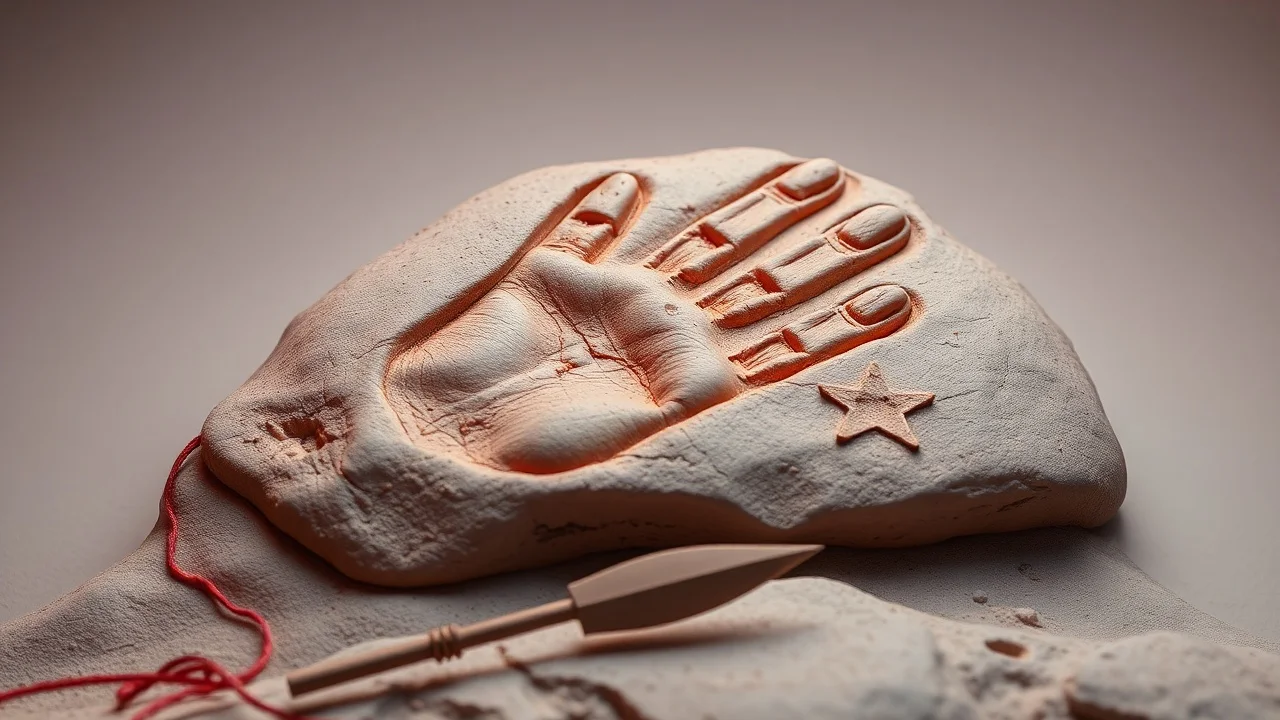
Inquiries Concerning the Intellectual Powers, and the Investigation of Truth
📘 About This Book
Ursprünglich im neunzehnten Jahrhundert veröffentlicht, erforscht dieses wegweisende Werk die Natur des menschlichen Geistes, die Prozesse des Denkens und die Methoden, mit denen die Menschheit Wissen und Wahrheit anstrebt. Es schlägt eine Brücke zwischen empirischer Wissenschaft und Moralphilosophie und untersucht die Fähigkeiten der Aufmerksamkeit, des Gedächtnisses, der Einbildungskraft und des Urteilsvermögens, während es praktische Anleitungen zur Vermeidung häufiger Fehler bei intellektuellen Untersuchungen bietet. Es behandelt die Zuverlässigkeit menschlicher Zeugenaussagen, das Fundament des
📖 Zusammenfassung
John Abercrombies Inquiries Concerning the Intellectual Powers, and the Investigation of Truth ist eine tiefgründige Untersuchung des menschlichen Geistes, der Mechanismen des Denkens und des zeitlosen Strebens nach objektivem Wissen. Aus der reichen intellektuellen Tradition der schottischen Aufklärung hervorgegangen, schlägt dieses wegweisende Werk meisterhaft eine Brücke zwischen empirischer Wissenschaft und Moralphilosophie. Abercrombie lädt die Leser ein, die grundlegenden Fähigkeiten zu untersuchen, die das menschliche Bewusstsein definieren, und bietet einen strukturierten Ansatz, um zu verstehen, wie wir die Welt um uns herum wahrnehmen, verarbeiten und bewerten. Im Zentrum des Textes steht eine detaillierte Untersuchung der zentralen mentalen Fähigkeiten, einschließlich Aufmerksamkeit, Gedächtnis, Vorstellungskraft und Urteilsvermögen. Abercrombie analysiert, wie diese Komponenten zusammenwirken, um unser Verständnis zu formen, und betont, dass disziplinierte mentale Gewohnheiten für echten intellektuellen Fortschritt unerlässlich sind. Er bietet praktische Anleitungen zur Vermeidung häufiger Fehler bei Untersuchungen...
🎯 Wichtige Lektionen
💬 Bemerkenswerte Zitate
"The investigation of truth is the grand object of our intellectual existence; and the pursuit of it is calculated to elevate and purify the mind."
"Attention is to the mind what the microscope is to the eye; it magnifies and reveals objects which would otherwise escape our notice."
"In the moral as in the physical world, the most important truths are often the most simple, and lie nearest to our view, if we have but the candor to perceive them."
"Hypothesis should be regarded merely as a scaffolding for the erection of a building, to be removed as soon as the structure is completed."
"Memory depends, in a great measure, upon the intensity with which the original impression was made, and the degree of attention which was given to it at the time."
"True wisdom consists in the power of forming a correct estimate of evidence, and in the habit of proportioning our assent strictly to the nature and degree of that evidence."
⚖️ Vor- und Nachteile
✅ Vorteile
Geschrieben mit bemerkenswerter Klarheit und philosophischer Tiefe.
Bietet praktische Anleitungen zur Vermeidung häufiger Denkfehler.
Verbindet empirische Wissenschaft und Moralphilosophie effektiv.
Dient als dauerhafter Leitfaden für mentale Disziplin.
⚠️ Nachteile
Der Prosa-Stil des 19. Jahrhunderts kann auf moderne Leser dicht wirken.
Konzentriert sich stark auf historische Perspektiven des Geistes anstelle moderner Neurowissenschaften.
❓ Häufige Fragen
Was ist der Hauptfokus des Buches? +
Es erforscht die Natur des menschlichen Geistes, die Denkprozesse und die Methoden zur Verfolgung von Wissen und Wahrheit.
Welche intellektuelle Tradition beeinflusst den Text? +
Das Buch spiegelt die intellektuelle Strenge und philosophische Tiefe der schottischen Aufklärung wider.
Behandelt das Buch Wissenschaft und Religion? +
Ja, es untersucht das Verhältnis zwischen wissenschaftlicher Untersuchung und religiösem Glauben.
Welche spezifischen mentalen Fähigkeiten werden untersucht? +
Der Text untersucht Aufmerksamkeit, Gedächtnis, Vorstellungskraft und Urteilsvermögen.
Ist das Buch rein theoretisch? +
Nein, es bietet auch praktische Anleitungen dazu, wie man häufige Fehler bei intellektuellen Untersuchungen vermeidet und die mentale Disziplin verbessert.