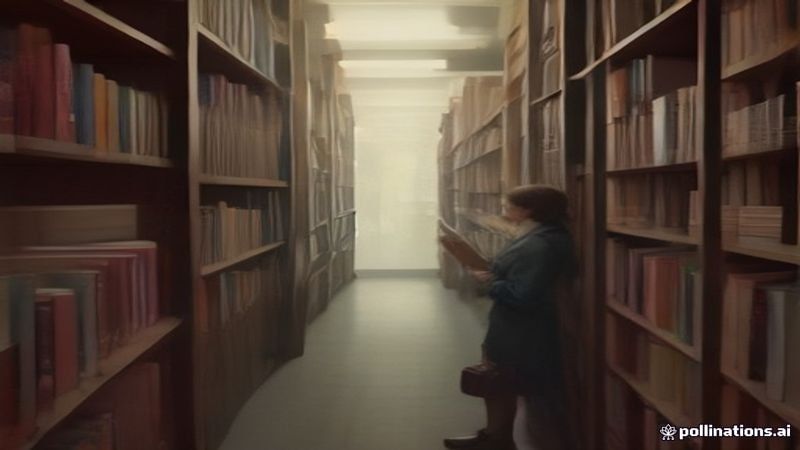
Step into a modern, independent bookstore that exclusively sells pre-owned literature, and you will immediately notice something different. The air doesn't smell like fresh cardboard and chemical inks; instead, it carries the comforting, vanilla-tinged musk of aging paper, fading glue, and decades of human history. The shelves aren't meticulously stacked with towering piles of identical, glossy bestsellers pushed by massive publishing houses. Instead, they are an eclectic, breathing ecosystem of literature where a 1974 paperback sci-fi novel rests comfortably next to a leather-bound nineteenth-century dictionary.
In an era dominated by mega-retailers and algorithms designed to feed you the exact same reading diet as millions of others, the rise and persistence of shops that only sell used books feels nothing short of revolutionary. But why do these independent booksellers intentionally lock themselves out of the lucrative new book market? Why turn down the shiny new releases, the author tour events, and the direct supply chains from major publishers?
The answer is a fascinating cocktail of ruthless economics, environmental philosophy, cultural preservation, and a deep-seated love for the hunt. Let's pull back the curtain on the used-book economy and explore why these unique literary havens choose to traffic exclusively in yesterday's stories.
The Brutal Economics of New Books vs. Used Inventory
To understand why many independent bookstores choose to only sell used books, you first have to understand the deeply flawed financial reality of selling brand-new books. To the casual reader, it seems like bookstores must make a killing on a $30 hardcover. In reality, the traditional publishing industry operates on profit margins that would make a grocery store owner sweat.
When an independent bookstore orders new books from a major publisher, they typically pay around 50% of the retail cover price (a standard wholesale discount). Out of that remaining 50% gross margin, the bookstore must pay for:
- Physical rent and utilities in increasingly expensive commercial districts
- Staff wages, healthcare, and payroll taxes
- Shipping and freight costs to receive the inventory
- Insurance, point-of-sale software, and store fixtures
Compounding this problem is the industry practice of "returnability." Publishers allow bookstores to return unsold new books for a refund, but the shipping costs eat into profits, and the administrative burden is staggering. Worse yet, if a buzzy bestseller doesn't move in three weeks, it gets pushed off the display table to make room for the next shiny object, leaving the bookstore with dead stock that ties up precious capital.
Now, contrast this with the business model of a shop that exclusively deals in pre-owned volumes. When a bookstore sources inventory through buy-sell-trade programs, estate sales, or library donations, their acquisition cost plummets. Instead of paying 50% of the retail price upfront, they might acquire a book for pennies, trade store credit worth a fraction of its future value, or rescue books from the dumpster for free. This massive margin differential gives used bookstores the financial breathing room to survive economic downturns, pay their staff better wages, and weather the ebbs and flows of retail foot traffic.
The Thrill of the Hunt and Curated Chaos
Walk into a massive chain bookstore, and the experience is clinical, predictable, and heavily curated by corporate algorithm. Every store in the franchise has the same books facing outward on the same tables, dictated by national marketing dollars and publisher co-op fees.
Stores that only sell used books reject this corporate uniformity in favor of curated chaos. Because their inventory depends entirely on what community members bring through their doors, no two used bookstores are alike, and no single bookstore looks the same from one Tuesday to the next.
This creates an addictive retail psychology known as "the hunt." When shoppers browse used bookshelves, they aren't looking for a predetermined item; they are open to serendipity. They might stumble upon:
- Long-out-of-print regional histories that were never digitized or picked up by modern presses.
- Vintage paperbacks featuring mind-bending, hallucinatory retro cover art from the 1960s and 70s.
- First editions or antique volumes that slipped past the previous owner's radar, priced at a modest $15.
- Personalized artifacts left behind by past readers—handwritten grocery lists, pressed autumn leaves, airline boarding passes from 1982, and marginalia scribbled in the margins.
This element of discovery transforms shopping from a passive transaction into an active treasure hunt. Customers don't just visit these stores to buy a product; they visit to see what treasures the universe has deposited on the shelves that day.
"A used book is not merely a commodity; it is a collaborative vessel carrying the invisible fingerprints, thoughts, and memories of every soul who turned its pages before you."
Environmental Sustainability and the Circular Economy
We live in a hyper-consumerist society that generates staggering amounts of physical waste. While the digital revolution promised a paperless utopia, the publishing industry continues to churn out hundreds of millions of new books every year, many of which eventually end up pulped or sitting indefinitely in municipal landfills.
Stores that only sell used books are operating at the vanguard of the circular economy. By recirculating existing physical media, they dramatically extend the lifecycle of paper products without requiring a single additional tree to be felled, chemical wash to be executed, or industrial printing press to be fired up.
Consider the environmental footprint required to manufacture a single brand-new hardcover book:
- Harvesting timber from managed or old-growth forests
- Transporting raw logs to pulp mills using diesel machinery
- Using intensive chemical bleaching agents to turn wood pulp into white paper
- Running high-energy printing presses, foil-stamping machines, and plastic film wrappers
- Shipping heavy pallets of books across continents via cargo ships, freight trains, and semi-trucks
When you purchase a pre-owned book from a local independent dealer, you are effectively participating in carbon-neutral reading. You are keeping functional, beautiful objects out of the waste stream and voting with your wallet for a sustainable retail model that values preservation over endless, unchecked production.
Building Community Through Trade-In Culture
One of the most profound differences between new-book stores and those that only sell used books is the social dynamic of the storefront. New bookstores are transactional spaces: you pay money, you receive merchandise, you leave.
Used bookstores, particularly those with active buy-sell-trade programs, function as community living rooms. The trade-in counter is the beating heart of the establishment. It is a place of negotiation, storytelling, and human connection. Regulars bring in boxes of books they’ve finished reading, sparking conversations with the bookseller:
"Did you read this one? Oh, you're going to love the ending, though the middle drags a bit."
"I'm clearing out my late grandfather's poetry collection. He would have loved knowing these are going to a good home."
This system of exchange fosters immense local loyalty. Customers who receive store credit for their old books are guaranteed to return, turning casual browsers into lifelong regulars. The inventory is sourced directly from the neighborhood, meaning the shelves reflect the intellectual curiosity, cultural diversity, and literary tastes of the local community itself. It's a localized closed-loop economy that keeps money circulating within the neighborhood rather than funneling upward to multinational corporate conglomerates.
The Challenges of Running a 100% Used Bookstore
While the romance of running a secondhand bookshop is undeniable, committing to an inventory model where you only sell used books comes with distinct operational hurdles that would terrify a conventional business owner.
First and foremost is inventory curation and quality control. Unlike ordering from a standardized publisher catalog where every book arrives pristine, pristine isn't the baseline in the used market. Booksellers must meticulously inspect incoming trade-ins for deal-breakers:
- Mold, mildew, and damp-stains that can spread spores and ruin adjacent inventory
- Severe spine damage, missing pages, or structural water damage
- Intense ambient odors, particularly cigarette smoke, pet urine, or heavy chemical scents that are nearly impossible to remove from paper
- Excessive highlighting or pen markup (unless the book is a rare textbook or holds academic value)
Furthermore, pricing used books requires an encyclopedic knowledge of literature, publishing history, and shifting market demand. Price a rare vintage paperback too low, and you leave money on the table; price it too high, and it will sit on your shelves gathering dust for years, taking up valuable real estate that could house a faster-moving title.
Despite these operational headaches, dedicated secondhand booksellers wouldn't have it any other way. The freedom from publisher mandates, corporate minimum orders, and seasonal discount pressures grants them total creative control over their shop's identity.
Conclusion: The Enduring Magic of Secondhand Pages
The proliferation of online giants and digital e-readers has forced brick-and-mortar retail to justify its own physical existence. Why leave the house when you can tap a screen and have a book delivered to your doorstep tomorrow?
Shops that only sell used books answer that question with absolute confidence. They offer an experience that algorithms cannot replicate, that digital screens cannot simulate, and that corporate chains cannot manufacture. They offer community, sustainability, surprise, and a tangible connection to the human history of reading.
The next time you find yourself wandering down a side street in an unfamiliar neighborhood and spot a weathered sign reading "Used Books Bought & Sold," don't walk past it. Step inside. Breathe in the rich, comforting scent of history. Sift through the disorganized shelves, chat with the eccentric owner at the counter, and let yourself get lost in the glorious, unpredictable hunt. You might just walk out with a book that changes your life—and a story of how you found it.





