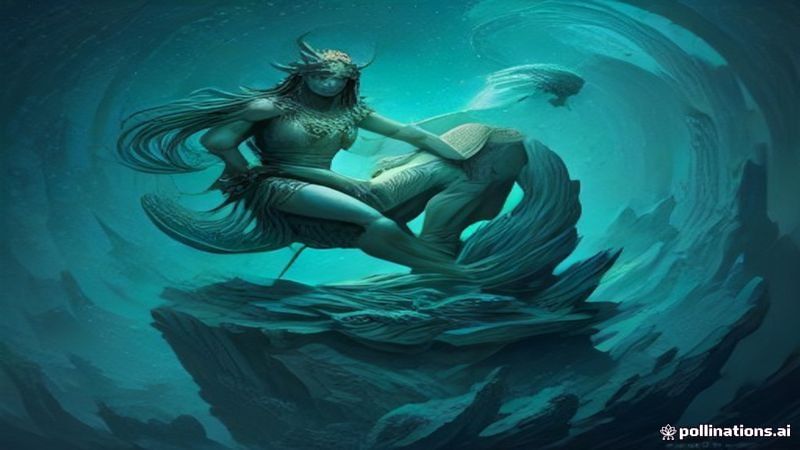
Myths are the foundational architecture of human culture. Long before the advent of modern science or recorded history, our ancestors looked up at the stars, navigated treacherous oceans, and tried to make sense of life, death, and everything in between through storytelling. These sacred narratives did more than entertain; they established moral codes, explained natural phenomena, and preserved the collective memory of ancient civilizations.
Today, diving into literature that explores global folklore allows us to traverse oceans and epochs without leaving our armchairs. Whether you are a fantasy writer seeking world-building inspiration, a history enthusiast, or a curious reader eager to understand the human psyche, exploring books about world mythology opens a portal to humanity’s shared imagination.
In this curated guide, we travel across all seven continents to highlight 20 extraordinary books that bring ancient gods, trickster spirits, cosmic serpents, and heroic legends back to vivid life. Let’s embark on this literary journey around the world.
Understanding the Power of Global Mythology
Before diving into our reading list, it helps to understand why studying international folklore matters. Western education systems have historically over-indexed on Greco-Roman and Norse traditions, leaving a vast, beautiful wilderness of non-Western myths largely unexplored by the mainstream reader.
When we actively seek out books about world mythology from Africa, Asia, Oceania, South America, and beyond, we realize that while cultural expressions differ, our fundamental questions remain identical: Where did we come from? Why do we suffer? What happens when we die?
"Mythology is not a lie; mythology is poetry, it is metaphorical. It has been expressed in terms of time and space, but it refers to what is behind all time and space." — Joseph Campbell
By engaging with these traditions, we develop a deeper empathy for diverse cultures and recognize the universal patterns of human storytelling.
Africa: Cradle of Ancient Legends
African mythology is breathtakingly diverse, spanning thousands of distinct ethnic groups, languages, and geographic landscapes, from the savannahs of East Africa to the dense rainforests of Central Africa.
1. African Mythology: A Fascinating Guide to African Folklore, Gods, Goddesses, and Myths by Martin R. Smith
An accessible and comprehensive introduction to the complex pantheons of the African continent. This book explores creator deities like Mawu-Lisa, the trickster spider Anansi, and the rich spiritual systems that heavily influenced diasporic traditions across the Americas.
2. The Famished Road by Ben Okri
While technically a novel, this Booker Prize-winning masterpiece by Nigerian author Ben Okri is deeply rooted in Yoruba mythology. It follows Azaro, an abiku—a spirit child who cycles repeatedly between life and early death. It offers readers an immersive look into the porous boundary between the spirit world and the physical realm.
3. Egyptian Mythology: A Guide to the Gods, Goddesses, and Traditions of Ancient Egypt by Geraldine Pinch
No study of African mythology is complete without examining the Nile Valley. Pinch provides a meticulous, scholarly yet engaging look at the cults of Osiris, Isis, Ra, and Anubis, explaining how Egyptian beliefs surrounding the afterlife evolved over millennia.
Asia: Epics, Immortals, and Cosmic Orders
Asia’s vast geographical expanse gave birth to some of the longest and most philosophically intricate epic poems in human history, deeply intertwined with Hinduism, Buddhism, Taoism, and indigenous shamanic practices.
4. The Ramayana translated by Ramesh Menon
This ancient Indian epic tells the story of Prince Rama as he battles the demon king Ravana to rescue his kidnapped wife, Sita. Menon’s translation captures the poetic grandeur and profound spiritual philosophy that continues to shape South Asian culture today.
5. Classic of Mountains and Seas (Shan Hai Jing) translated by Richard E. Strassberg
Compiled over centuries, this Chinese classic is part myth, part geography text, and part bestiary. It catalogues strange beasts, mythical deities, and magical flora inhabiting the borders of the ancient Chinese world. It is an absolute treasure trove for fantasy world-builders.
6. The Kojiki: An Account of Ancient Matters translated by Gustav Heldt
The oldest surviving record of Japan’s myths and imperial history. The Kojiki details the chaotic birth of the islands from the union of primordial deities Izanami and Izanagi, tracing the imperial lineage back to Amaterasu, the sun goddess.
7. The Epic of Gilgamesh translated by Andrew George
Originating from ancient Mesopotamia (modern-day Iraq), this is widely considered the oldest surviving work of literature. It chronicles the restless king of Uruk, Gilgamesh, and his quest for immortality following the death of his wild companion, Enkidu.
Europe: Gods, Heroes, and Northern Sagas
European folklore is heavily defined by dramatic heroics, tragic flaws, and cosmic battles against inevitable doom.
8. Norse Mythology by Neil Gaiman
Award-winning author Neil Gaiman breathes new life into the traditional Norse pantheon. From the mischief of Loki and the mighty hammer of Thor to the twilight of the gods at Ragnarok, Gaiman retells these classic Scandinavian myths with wit, reverence, and narrative flair.
9. Mythos by Stephen Fry
Stephen Fry turns the classic Greek myths into a modern, witty, and deeply entertaining narrative. Covering everything from the chaotic creation out of the Void to the petty rivalries and sweeping romances of Zeus, Hera, and Prometheus, Mythos is a masterclass in modern myth-telling.
10. Celtic Myths and Legends by T.W. Rolleston
An essential volume for anyone drawn to the misty lore of the Irish, Welsh, and Scottish Gaels. Rolleston explores the Tuatha Dé Danann, heroic cycles like the Táin Bó Cúailnge, and the enduring magic of the Otherworld.
North America: Indigenous Wisdom and Folklore
The indigenous peoples of North America possess an astonishing array of oral traditions tied intimately to the land, seasons, animals, and the stars.
11. American Indian Myths and Legends selected and edited by Richard Erdoes and Alfonso Ortiz
This definitive anthology gathers over 100 tales from more than 60 tribal nations. It covers creation myths, trickster tales featuring Coyote and Raven, and poignant stories of transformation and survival.
12. Native American Mythology by Behik K.
A focused exploration of how different North American tribes interpret the cosmos. The book highlights the sacred relationship between humans and nature, offering a powerful corrective to romanticized or generalized Western misconceptions.
South and Central America: Pyramids, Jungles, and Cosmic Cycles
From the towering stone temples of Mesoamerica to the dense canopy of the Amazon basin, Latin American mythology is characterized by complex astronomical calendars, blood-soaked cosmic sacrifices, and lush rainforest spirits.
13. Popol Vuh: The Sacred Book of the Ancient Quiché Maya translated by Allen J. Christenson
The ultimate survival story of Mayan literature. The Popol Vuh details the creation of the world, the heroic trials of the Hero Twins Hunahpu and Xbalanque against the lords of the underworld, and the creation of humanity out of maize.
14. Aztec Mythology and Religion by Manuel Aguilar-Moreno
While not a simple storybook, this comprehensive guide explores the rich, terrifying, and awe-inspiring world of Aztec deities like Huitzilopochtli and Quetzalcoatl, explaining the deep philosophical underpinnings of why the Aztecs believed human sacrifice was necessary to keep the sun moving.
15. South American Indigenous Myths by Jan Rademaker
A fascinating dive into the folklore of Amazonian tribes and Andean cultures. This collection highlights spirits of the rivers, magical transformations, and ancient legends predating European contact.
Oceania: Navigators of the Vast Pacific
Spread across thousands of islands separated by millions of square miles of open ocean, Oceanic mythology is rich with tales of daring navigators, demigods hauling up islands from the sea floor, and primal ocean deities.
16. Polynesian Mythology by Sir George Grey
First published in the 19th century, this classic collection preserves the ancient oral traditions of the Māori people of New Zealand. It recounts the deeds of Maui, who fished up the North Island and snared the sun, alongside sweeping genealogical accounts of ocean voyaging.
17. South Sea Tales: Mythology of Micronesia, Melanesia, and Polynesia by various folklorists
A broader look at Pacific Island lore, exploring the diverse spiritual beliefs, creation tales, and monster legends unique to island archipelagos like Samoa, Fiji, and Hawaii.
Antarctica: The Ice-Bound Void of Modern Myth
Antarctica has no indigenous human population and therefore possesses no ancient, traditional mythology originating from ancestral communities. However, the icy continent has birthed a fascinating modern mythology in the Western imagination—one of lost civilizations, hidden Nazi bases, Antarctic monsters, and Lovecraftian horrors.
18. At the Mountains of Madness by H.P. Lovecraft
Though a work of modern horror fiction, Lovecraft’s novella effectively creates a contemporary mythos around Antarctica. It imagines a prehistoric, star-spanning alien race frozen deep beneath the Antarctic ice, tapping into humanity's primal fear of the unknown, frozen abyss.
19. The South Pole: An Account of the Norwegian Antarctic Expedition in the "Fram," 1910–1912 by Roald Amundsen
While a non-fiction travelogue, exploring the heroic age of Antarctic exploration reveals a very real kind of modern mythology—where men pushed themselves against insurmountable elemental forces, turning explorers into modern secular titans battling ice and frost gods.
20. Antarctica: A Biography by David Day
David Day explores how Antarctica transitioned from a purely geographical concept in the minds of ancient Greek philosophers—who hypothesized a southern landmass to "balance" the weight of the northern continents—into a modern mythic symbol of pristine wilderness, scientific cooperation, and ecological fragility.
How to Choose Your Next Mythological Read
With so many incredible books about world mythology available, deciding where to start can feel overwhelming. Here is a quick, actionable framework to help you choose your next read:
- Identify Your Curiosity Zone: Are you drawn to dramatic family drama (Greek), epic warfare and philosophy (Indian), or clever tricksters and animal guides (Native American/African)? Let your personal curiosity lead.
- Choose Your Format: If you want straightforward storytelling, look for retellings like those by Neil Gaiman or Stephen Fry. If you want historical authenticity, seek out scholarly translations like the Popol Vuh or The Kojiki.
- Read with a Journal: Keep a notebook handy as you read. Jot down recurring motifs (such as the Great Flood, the Cosmic Egg, or the Underworld descent). You will be amazed at how interconnected global folklore truly is.
Reading world mythology changes how you look at the planet. It reminds us that across continents, oceans, and millennia, human beings have always turned to stories to find meaning, beauty, and wonder. Pick up one of these books today and begin your journey across the mythic globe.