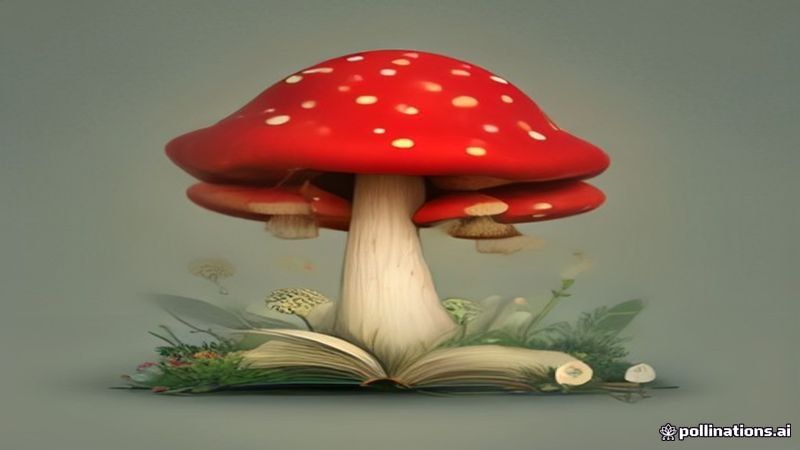
For centuries, humanity has walked across forest floors, largely blind to the massive, intricate web of life operating just beneath our feet. We notice the occasional toadstool popping up after a heavy rain, but we rarely consider that these fleeting caps are merely the fruit of a vast, underground organism. The hidden world of fungi is vast, mysterious, and fundamentally responsible for the health of nearly every terrestrial ecosystem on Earth. From decomposing fallen logs to communicating with towering ancient trees, fungi are the unsung architects of our planet.
Fortunately, a literary renaissance is underway. Mycologists, science journalists, historians, and foragers have penned incredible works that pull back the leafy curtain and reveal the astonishing capabilities of the fungal kingdom. Whether you are an experienced hunter looking to sharpen your identification skills, a gardener hoping to harness the power of mycelium, or simply a curious mind eager to understand nature's ultimate recyclers, there is a book for you.
In this curated guide, we explore 10 exceptional books about mushrooms and the hidden world of fungi that will forever change how you look at a walk in the woods.
1. Radical Mycology: A Treatise on Seeing and Working with Fungi by Peter McCoy
If you want a book that bridges the gap between deep scientific theory and grassroots, hands-on application, Radical Mycology is the undisputed bible. Peter McCoy’s comprehensive tome is a massive, beautifully illustrated masterpiece that empowers readers to actively engage with the fungal kingdom.
McCoy argues that fungi are not just passive organisms to be studied in a lab, but active partners we can collaborate with to heal damaged ecosystems (mycoremediation), grow our own food, and rethink our relationship with the natural world. It covers everything from basic mushroom cultivation techniques to the ecological philosophy of myco-literacy.
Key Takeaways from Radical Mycology
- Learn low-tech, accessible methods for cultivating gourmet and medicinal mushrooms at home.
- Discover how fungi can be deployed to clean up environmental pollutants, including heavy metals and petroleum.
- Gain a deep appreciation for the ecological niches that fungi occupy in forest management and soil health.
2. Entangled Life: How Fungi Make Our Worlds, Make Our Minds, and Change Our Futures by Merlin Sheldrake
Merlin Sheldrake’s Entangled Life is arguably the most captivating contemporary book written about the fungal kingdom. Blending rigorous scientific research with philosophical wonder, Sheldrake takes readers on a mind-bending journey across the globe, examining how fungi shape our lives in ways we are only beginning to comprehend.
Writing with humor, poetic flair, and profound intellectual curiosity, Sheldrake explores lichens as symbiotic marvels, the wood wide web of subterranean fungal networks, and the mind-altering properties of psilocybin. He even famously grew a copy of his own book using oyster mushrooms and then ate them, demonstrating the radical interconnectedness of biological systems.
"Fungi are earth-makers, teachers, soil-creators, mind-benders, and food. Without them, life as we know it would not exist." — Merlin Sheldrake
3. The Mushroomatarium and Practical Foraging Guides
While theoretical books expand our minds, field guides keep us safe and well-fed. When stepping into the woods to hunt for wild edibles, having a reliable identification guide is non-negotiable. Standard regional guides provide the structural framework needed to differentiate between choice edible species and their dangerous lookalikes.
For North American foragers, classics like Mushrooms Demystified by David Arora or National Audubon Society Field Guide to North American Mushrooms are indispensable. These books teach you to look beyond the cap and stem—paying attention to spore prints, gill attachments, bruising colors, and habitat types.
Actionable Advice for Safe Mushroom Foraging
- Never eat a wild mushroom unless you are 100% certain of its identity. When in doubt, throw it out.
- Always take a spore print. The color of the spores is a primary taxonomic key used to distinguish dangerous genera from safe ones.
- Forage sustainably. Cut stems cleanly with a knife rather than ripping up the mycelial mat underneath, and use woven baskets that allow spores to disperse as you walk through the woods.
- Join a local mycological society. Field trips with experienced mentors are worth a hundred books when you are first starting out.
4. Mycelium Running: How Mushrooms Can Help Save the World by Paul Stamets
Paul Stamets is a towering figure in modern mycology, and Mycelium Running is his manifesto on how fungi can be utilized to solve some of humanity's greatest ecological crises. Stamets champions the concept of "mycoremediation"—the use of fungi to degrade synthetic toxins, filter bacteria out of agricultural runoff, and restore degraded landscapes.
The book is packed with practical blueprints, diagrams, and experimental protocols that invite readers to become citizen scientists. Stamets lays out a compelling vision of a future where humans work in tandem with mycelial networks to heal the planet.
5. Fantastic Fungi: How Mushrooms Can Heal, Shift Consciousness, and Save the Planet edited by Paul Stamets
Acting as a companion piece to the acclaimed documentary film of the same name, Fantastic Fungi is a stunning visual and intellectual exploration of the fungal world. This anthology brings together essays from leading scientists, medical researchers, and environmentalists who explore the multidimensional impact of fungi on human health, culture, and the biosphere.
It is an ideal entry point for readers who want bite-sized, engaging chapters accompanied by breathtaking macro photography of colorful slime molds, bioluminescent mushrooms, and microscopic fungal spores.
6. Merlin’s Tour of the Mushroom Kingdom: A Deep Dive into Fungal Ecology
Understanding how fungi interact with plants is one of the most exciting frontiers in modern botany. Mycorrhizal fungi form intimate, mutually beneficial relationships with the roots of roughly 90% of all plant species. In exchange for sugars produced via photosynthesis, fungi deliver water, phosphorus, nitrogen, and critical micronutrients to plants.
Books that focus specifically on mycorrhizal ecology reveal that forests are not merely collections of individual trees competing for resources, but rather cooperative super-organisms linked by underground fungal highways. Through these networks, older trees can pump nutrients to struggling saplings and send chemical warning signals when pests attack.
Why Fungal Ecology Matters Today
- It shifts our agricultural practices away from chemical fertilizers toward biological soil amendments.
- It explains how forests recover after catastrophic wildfires and climate disturbances.
- It highlights the fragility of ancient ecosystems when subterranean fungal networks are disrupted by industrial logging and development.
7. Gathering Moss: A Natural and Cultural History of Mosses by Robin Wall Kimmerer
While technically focusing on bryophytes rather than true fungi, Robin Wall Kimmerer’s masterpiece, Gathering Moss, is deeply intertwined with the fungal world. Fungi and mosses often co-create the micro-ecosystems that allow life to colonize bare rock, turning stone into soil over centuries.
Kimmerer writes with the precision of a trained botanist and the grace of a gifted poet. Reading this book teaches you to slow down and notice the miniature rainforests thriving right at your feet, fostering a profound sense of ecological empathy.
8. The Kingdom of Fungi by Jens H. Petersen
If you have ever wanted a visual atlas that celebrates the sheer morphological diversity of mushrooms, Jens H. Petersen’s The Kingdom of Fungi is a visual triumph. Petersen, a mycologist and photographer, spent decades capturing the stunning shapes, vibrant colors, and bizarre life cycles of fungi.
The book breaks down complex scientific concepts into accessible explanations, detailing how mushrooms release billions of spores, how they hunt nematodes in the soil, and how they partner with insects. It is a coffee-table book with serious academic rigor.
9. Teaming with Microbes: The Organic Gardener's Guide to the Soil Food Web by Jeff Lowenfels and Wayne Lewis
For gardeners and homesteaders, Teaming with Microbes is an absolute game-changer. This book translates advanced soil science into practical, actionable advice that helps you ditch synthetic chemical fertilizers in favor of building a thriving underground ecosystem.
Lowenfels explains how bacteria, protozoa, nematodes, and mycorrhizal fungi work together to feed plants naturally. By nurturing the fungal component of your garden soil, you create drought-resistant plants with vastly superior root systems, higher yields, and greater natural resistance to pests and diseases.
Practical Tips for Fostering Garden Fungi
- Stop tilling your soil. Tillage physically shreds delicate fungal hyphae networks, destroying the soil structure.
- Apply wood chips and organic mulches. Fungi love lignified carbon sources and thrive when provided with a steady supply of woody organic matter on the surface.
- Avoid chemical fungicides. Broad-spectrum treatments wipe out beneficial soil fungi alongside pathogenic ones.
10. The Psilocybin Mushroom Bible: The Definitive Guide to Growing and Using Magic Mushrooms by Dr. K. Mandrake and Virginia Haze
As cultural attitudes toward psychedelic medicine shift rapidly, interest in the cultivation and therapeutic use of psychoactive fungi has skyrocketed. The Psilocybin Mushroom Bible offers a comprehensive, step-by-step walkthrough of indoor cultivation techniques, safety protocols, and historical context.
Written with clarity and meticulous attention to detail, this book demystifies the biology of psilocybin-producing species and provides safe, sterile methods for home cultivation, reflecting the broader modern medical renaissance surrounding psychedelic research for mental health.
Conclusion: Step into the Mycelial Web
The hidden world of fungi is no longer obscured by darkness. Thanks to passionate researchers, writers, and field naturalists, we now understand that mushrooms are the vital glue holding terrestrial life together. They clean our soils, feed our forests, heal our minds, and offer endless inspiration for creative problem-solving.
Whether you choose to start with the philosophical wonder of Entangled Life, the hands-on blueprints of Radical Mycology, or a sturdy regional foraging guide, diving into these books will transform your perception of the natural world. Next time you take a walk through the woods, look down at the soil with newfound respect—you are treading upon a vast, intelligent, and interconnected kingdom.