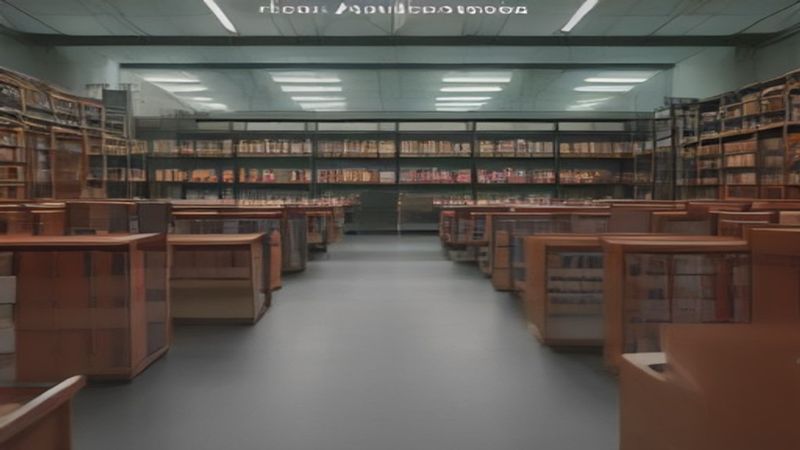
For centuries, the public library was defined by a singular, immutable image: towering rows of wooden bookshelves, the hushed instructions of a stern librarian, and the distinctive scent of aging paper. It was a place of quiet contemplation, solitary study, and physical access to human knowledge bound in cardboard and cloth. Today, however, walk into almost any public or university library, and you will likely hear the hum of a 3D printer, the chatter of children coding their first video games, or the tap of a patron streaming a virtual reality documentary.
As we march deeper into the twenty-first century, the way society consumes information has fundamentally shifted. The rise of the internet, e-readers, smartphones, and on-demand cloud storage threatened to render the traditional library obsolete. Skeptics wondered: Why visit a physical building when the entire sum of human knowledge is accessible from a smartphone screen on the couch?
Yet, the prophecy of the dying library has proven wildly inaccurate. Instead of fading into irrelevance, libraries have undergone one of the most remarkable institutional evolutions in modern history. Far from becoming obsolete, libraries are adapting in the digital age by expanding their traditional missions, embracing cutting-edge technology, and doubling down on their roles as indispensable community anchors.
From Silo of Books to Portal of Digital Content
The most immediate and visible way libraries are adapting in the digital age is through the digitization of their collections. Physical books are no longer the exclusive currency of the library; instead, they share shelf space with vast digital libraries accessible 24/7 from anywhere in the world.
Platforms like OverDrive, Libby, and Hoopla have transformed the local library into a digital storefront. Patrons can browse millions of e-books, audiobooks, streaming movies, graphic novels, and music albums using nothing more than a library card and an internet connection. When a user checks out a digital book, the license automatically expires and returns to the system when due—eliminating late fees entirely.
Beyond commercial e-book lending, libraries are also acting as digital preservationists. Many local institutions are scanning historical photographs, oral histories, newspapers, and genealogical records, uploading them to online archives. This ensures that fragile local histories are protected from physical disasters while making them instantly searchable for researchers globally.
Bridging the Digital Divide
While the internet has made life easier for millions, it has also created a stark inequality known as the digital divide. Not every household can afford high-speed broadband internet, a modern laptop, or a tablet. In the digital age, lacking digital access is no longer just an inconvenience—it is an economic and social handicap.
Libraries have stepped into this breach as society's great equalizers. They provide free, high-speed Wi-Fi and public computer stations to anyone who walks through the doors, regardless of socio-economic status. Furthermore, many forward-thinking library systems now offer mobile hotspot lending programs. Patrons can check out a portable Wi-Fi router just as they would a novel, bringing internet access home for remote learning, job hunting, or telehealth appointments.
The Evolution of Physical Space: Maker Spaces and Creative Studios
As physical storage needs decreased due to the shift toward digital media, libraries found themselves with a valuable and flexible asset: square footage. Rather than downsizing or closing branches, communities reimagined these physical spaces to foster creativity, collaboration, and hands-on learning.
Enter the library maker space. These are specialized zones within modern libraries equipped with tools and technologies that would otherwise be cost-prohibitive for average individuals to own. Depending on the branch, a modern library maker space might feature:
- 3D Printers and Scanners: Allowing hobbyists, entrepreneurs, and students to prototype physical objects.
- Digital Media Labs: Complete with high-end editing software, podcasting microphones, green screens, and digital drawing tablets.
- Robotics and Coding Kits: Designed to introduce children and teens to STEM (Science, Technology, Engineering, and Math) concepts early in life.
- Traditional Craft Equipment: Sewing machines, embroidery tools, laser cutters, and vinyl sign makers.
By democratizing access to these advanced tools, libraries are fueling local economies. Small business owners can design their first product packaging, musicians can record professional podcasts, and students can discover lifelong passions for engineering—all for the price of a free library card.
"Libraries are no longer just repositories of the past; they are launchpads for the future, transforming physical real estate into engines of community creativity and technological empowerment."
Digital Literacy and Lifelong Learning in a Misinformation Era
In the past, the primary challenge of education was scarcity of information. Today, the challenge is precisely the opposite: a deafening deluge of information, much of which is unverified, biased, or outright false. In an era dominated by deepfakes, algorithmic echo chambers, and viral misinformation, teaching people *how* to think is more important than ever.
Modern librarians have expanded their roles from curators to educators of digital literacy. They teach classes on:
- Information Evaluation: How to spot fake news, verify sources, and fact-check claims found on social media.
- Privacy and Cybersecurity: Educating seniors and vulnerable populations on how to recognize phishing scams, create strong passwords, and protect personal data online.
- Coding and Software Skills: Offering adult education classes in basic coding, spreadsheet management, graphic design, and resume building.
This educational mandate ensures that the library remains relevant not just as a provider of tools, but as an intellectual sanctuary where critical thinking is actively nurtured.
The Undiminished Value of the "Third Place"
Despite the dominance of screens and remote connectivity, human beings remain inherently social creatures who crave physical community. Sociologists often refer to the home as the "first place" and the workplace or school as the "second place." The "third place" is the social surrounding separate from the two—and for decades, the public library has been one of the last remaining third places that does not require financial transactions to enter.
As libraries are adapting inlessthan-ideal digital contexts, they have doubled down on their human-centric services. They host book clubs, toddler storytimes, English-as-a-second-language (ESL) classes, mental health resource fairs, and author talks.
During natural disasters, heatwaves, or social crises, libraries frequently serve as community resilience hubs—offering air-conditioned cooling centers, emergency charging stations, and safe gathering spaces. The physical warmth and welcoming nature of the library building cannot be replicated by an app.
Actionable Advice: How to Maximize Your Modern Library
If you haven't visited a library recently, you are likely missing out on a treasure trove of free digital and physical resources. Here is how you can tap into the modern library ecosystem:
- Sign Up for a Digital Card: Many library systems allow local residents to register for a card online, giving instant access to e-books, streaming services, and databases without visiting a branch.
- Explore Specialty Collections: Ask your local branch about unconventional lending items. Many libraries now lend out musical instruments, baking pans, cake molds, museum passes, seeds for gardening, and even sewing machines.
- Take Advantage of Pro Software: Instead of paying monthly subscription fees for expensive software suites like Adobe Creative Cloud or Microsoft Office, check if your library offers free access to public computers equipped with these programs.
- Attend Free Workshops: Check your library’s online calendar for workshops ranging from coding bootcamps to financial planning seminars and small business mentoring.
Conclusion
The transformation of the library is one of the quiet success stories of the modern era. When faced with the existential threat of digital disruption, libraries did not close their doors or stubbornly cling to the past. Instead, they evolved.
By blending the timeless values of accessibility, education, and community with state-of-the-art technology, libraries are adapting in the digital age more successfully than almost any other civic institution. They remain the living, breathing heart of our communities—proving that while books may change their form, the human desire to learn, connect, and create together will never go out of style.


